

Maddy summaryThis bill allows lawful firearm carry and possession at Minnesota State Fairgrounds by amending rules to prevent the State Agricultural Society from banning firearms through bylaws. It requires any "reasonable request" to prohibit firearms (e.g., posting specific signs at entrances) to meet strict visibility standards: 187 square inches, 1.5-inch black lettering, and placement 4-6 feet high. The bill explicitly excludes private residences, security guards acting in their role, and peace officers from these restrictions. It takes effect August 1, 2025, directly affecting fairgoers, vendors, and the State Fairgrounds management.
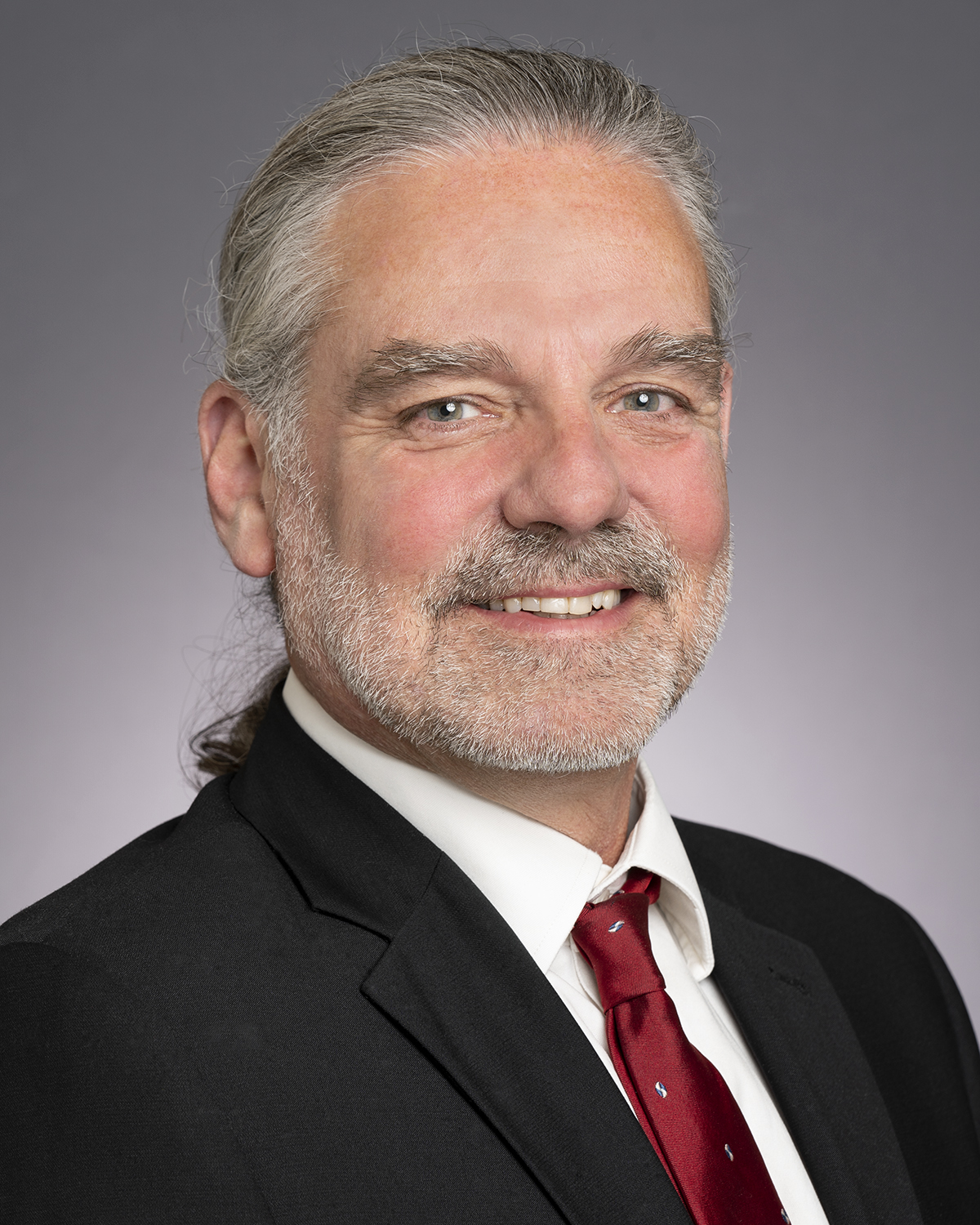
Sen. Cal Bahr
Sponsored bills
Maddy summaryThis bill prohibits Minnesota's Commissioner of Human Services and Commissioner of Children, Youth, and Families from terminating public assistance benefits based on an individual's or their dependents' vaccination status. It directly affects people receiving benefits like food assistance, cash aid, or childcare subsidies, as well as caregivers, parents, or guardians responsible for minors or vulnerable adults. The law adds specific statutory language (in sections 142A.03 and 256.01) making it illegal for these agencies to rescind benefits due to vaccination status. The policy change is a direct prohibition on using vaccination status as a grounds for benefit termination, without altering eligibility criteria or creating new programs.
Maddy summarySF 366 clarifies that election judges in Minnesota are not considered employees of the local election authority that appoints them. The bill amends Minnesota Statutes section 204B.19 to state that appointing authorities cannot require conditions unrelated to performing election judge duties (such as standard employment requirements for permanent staff) as a condition of appointment. This directly affects election judges and local election officials who appoint them. The key provision prevents appointing authorities from imposing unrelated employment-related requirements, like background checks or training unrelated to election duties, when hiring election judges.
Maddy summaryThis bill appropriates $10,000 from the general fund for fiscal year 2026 to the Phoenix Correspondence Commission. It directly provides funding to support the commission's work on promoting federalism within Minnesota's relationship with the federal government. The bill is purely procedural, allocating funds without creating new policies or altering existing laws.
Maddy summaryThis bill (SF 356) increases the reemployment earnings limit for public safety officers (police, firefighters, paramedics) receiving disability benefits under Minnesota's public employee retirement plan. It amends Minnesota Statutes § 353.656, subdivision 4, raising the threshold at which disability benefits are reduced when recipients work part-time. Specifically, the limit is set at 150% of the base monthly salary for similar positions with their employer, meaning officers can earn more before benefits are adjusted. This change directly affects current disability benefit recipients who return to partial work, providing greater financial flexibility.
Maddy summaryThis bill, SF 352, removes the requirement for a permit to carry a firearm in most public places across Minnesota, recognizing the Second Amendment right to carry. It states that law-abiding residents (not prohibited by state or federal law) may carry firearms openly in vehicles, on their person, or in public spaces like parks and stores, excluding homes, businesses, gun shops, and hunting areas. The bill also creates an optional permit system for those who want one, requiring applicants to be 21+, have pistol safety training, and pass background checks. It directly affects Minnesotans seeking to carry firearms without a permit, while maintaining existing restrictions for prohibited individuals.
Maddy summaryThis bill prohibits state funding for the proposed Northern Lights Express high-speed rail project between Minneapolis and Duluth. It bans the Commissioner of Transportation and the Metropolitan Council from spending any state or federal money on studying, planning, engineering, or constructing this project. The law directly affects state agencies responsible for transportation funding and project development, preventing them from advancing the rail initiative using public funds. The prohibition applies to all project phases and includes any federal funds that might support the effort.
Maddy summaryThis bill allows local municipalities in Minnesota to request that their counties review additional election precincts after an election. Under the new rules, a county canvassing board must conduct a postelection review of a minimum number of precincts based on the county's total registered voters, with at least one of those precincts having more than 150 votes cast. If a municipality formally requests a review of more precincts before the election canvass, the county must review up to twice the standard number, with the municipality choosing which specific precincts are examined and covering the associated costs. The county auditor must then inform the state secretary of state about the selected precincts and the schedule for the review.
Maddy summaryThis bill modifies the special tax increment financing rules for the City of Ramsey to allow the use of redevelopment funds for specific local projects. It permits the city to apply tax revenues generated within a defined district to pay for the Northstar Transit Station, related infrastructure, and public improvements installed before the district was created. The legislation also extends the time limit for completing district activities from five years to ten years and adjusts certain financial restrictions to better support these initiatives. By amending existing state statutes, the bill gives the city more flexibility in how it manages and spends funds designated for economic development in that area.
Maddy summaryThis bill modifies Minnesota law to exempt certain construction materials and equipment from sales and use tax for projects in the city of Ramsey. The exemption applies specifically to work on new water treatment plants and trunk water main improvements, provided the purchases occur between December 31, 2022, and July 1, 2027. Under the new rules, the city must initially pay the tax and then receive a refund for these eligible purchases, with refunds issued between July 1, 2023, and July 1, 2027. The legislation also states that this tax exemption applies retroactively to purchases made after December 31, 2022.