

Maddy summarySF 713 allows school staff with valid firearm permits to carry weapons on school property after completing mandatory annual training. The bill creates a free, annual active shooter response training program for teachers and school employees through the Bureau of Criminal Apprehension, requiring participants to have a current permit under Minnesota Statutes section 624.714. It amends state law to exempt these trained staff members from misdemeanor penalties for carrying firearms on school grounds, while maintaining existing prohibitions for others. The policy directly affects public school teachers, charter school staff, and postsecondary institution employees who complete the required training and hold a valid permit. This changes the legal status for permitted school staff carrying firearms on school property, making it a non-criminal act under specific conditions.
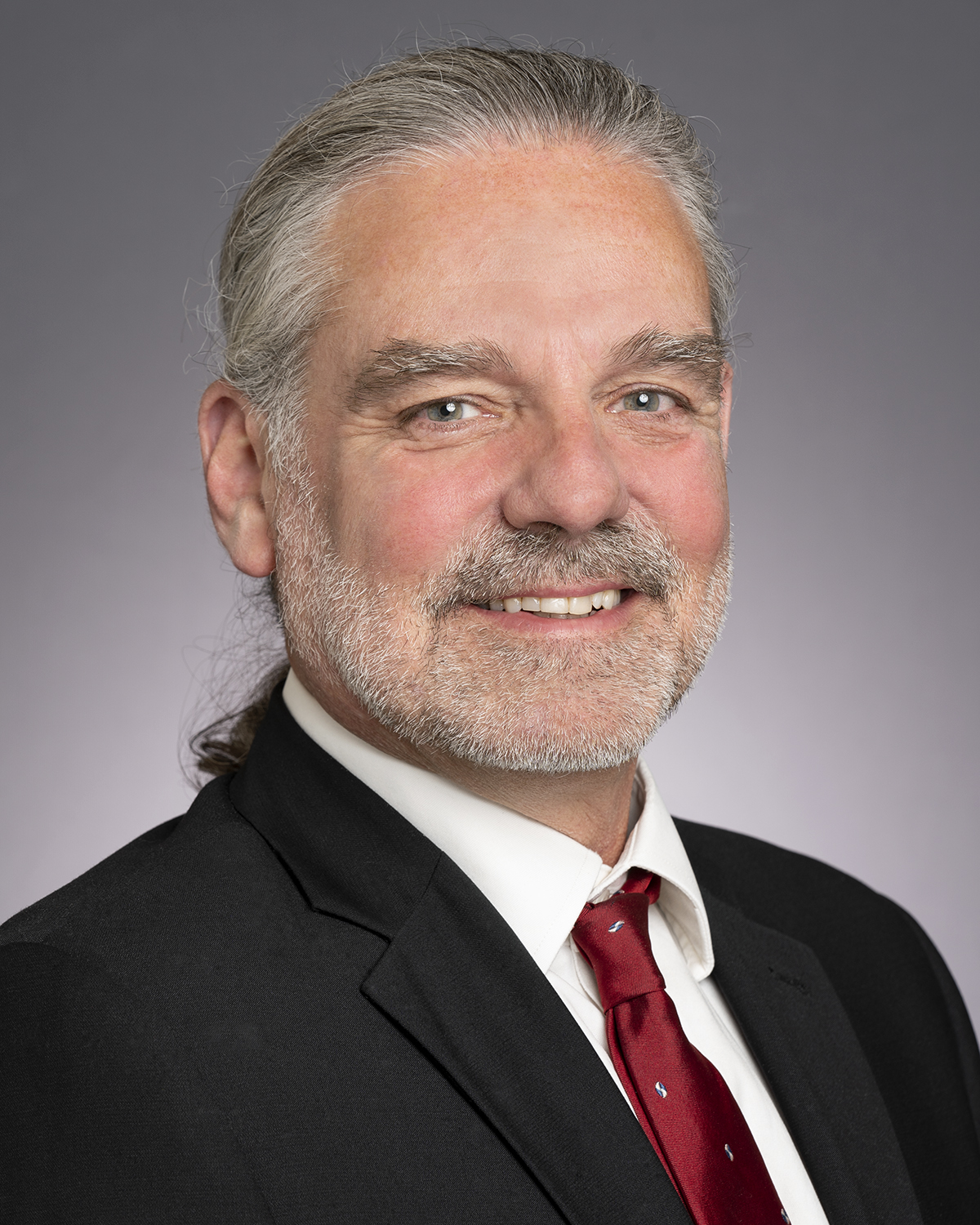
Sen. Cal Bahr
Sponsored bills
Maddy summarySF 645 amends Minnesota law to restrict how public union representatives use time off work for union duties. It directly affects elected or appointed union officials (including those representing teachers in other school districts) who receive employer-approved time off. The key provision adds that this time off "must not be used to engage in any political activities." The bill modifies existing statute 179A.07, subdivision 6, to impose this specific limitation on the use of release time.
Maddy summarySF 698 prohibits Minnesota local governments (cities, counties, and their agencies) from enforcing any federal vaccine passport, pass, or credential requirement. It prevents local officials from denying services or access based on vaccine status tied to federal mandates. The bill creates a legal right for individuals to sue if denied services for this reason, with courts allowed to award attorney fees to the winning party. This directly affects local government enforcement practices and individuals seeking services in Minnesota.
Maddy summarySF 715 authorizes Minnesota to establish a third-party testing program for driver's license knowledge, road, and skills exams. It allows deputy registrars to appoint private testers to administer these exams, setting maximum fees of $5 for knowledge tests and $30 for road/skills tests. The bill directly affects applicants seeking driver's licenses by expanding testing options beyond state-run locations, while maintaining existing content requirements for the exams (like traffic laws and vision tests).
Maddy summaryThis bill modifies coverage for chiropractic services under MinnesotaCare and medical assistance programs. It limits non-x-ray chiropractic services to one annual evaluation and 24 visits per year (unless prior authorization is obtained), and restricts x-ray coverage to specific spinal areas (full spine, pelvis, or sacroiliac joints) only when needed for diagnosing subluxation. The bill repeals an older provision that previously stated MinnesotaCare covered "medically necessary exams, manual manipulation, and x-rays" without these specific limits. It directly affects MinnesotaCare and medical assistance program beneficiaries seeking chiropractic care.
Maddy summarySF 701 requires Minnesota electric utilities to obtain written consent from property owners before installing "smart meter gateway devices" on homes or businesses. These devices, defined as systems that control or monitor home appliances via the meter, cannot be installed without explicit owner agreement. Utilities must provide a clear, 12-point bold consent form stating the option is voluntary and explaining the device's function. Additionally, utilities must disclose if such devices are already installed and allow removal upon written request.
Maddy summaryThis bill changes when local elections are held in Minnesota. Most cities, towns, and school districts must hold general elections on the first Tuesday after the first Monday in November during even-numbered years. However, cities of the first class (like Minneapolis) may choose to hold elections in either even or odd years, provided they adopt a transition plan to manage term lengths for current officials and notify election officials. The bill amends election laws to implement these changes while requiring cities to follow specific procedures for switching election years.
Maddy summaryMinnesota Senate File 639 prohibits cities, counties, townships, and school districts from adopting or enforcing ranked-choice voting (RCV) for local elections. The bill bans any local rule, ordinance, or charter provision that establishes RCV - a system where voters rank candidates by preference - or similar voting methods. It specifically states that such local efforts would be void, applying to all local offices within these political subdivisions. The law takes effect the day after final enactment for elections held on or after that date.
Maddy summarySF 685 requires Minnesota legislature standing committees to obtain at least two-thirds approval from members before a committee chair can lay a bill over for potential inclusion in a major finance or policy omnibus bill. If the two-thirds threshold isn't met, the committee must either refer the bill to another committee, send it to the full legislature, table it, or the chair must halt further action. Bills that are tabled or receive no further action due to the failed vote cannot later be added to an omnibus bill without a specific committee amendment containing only that bill's policy items. The bill mandates both the House and Senate adopt procedural rules to implement these changes.
Maddy summarySF 601 would abolish Minnesota's vehicle registration taxes and transfer the associated revenue. The bill directly affects all vehicle owners in Minnesota by eliminating the tax requirement for registering vehicles. Key provisions include repealing multiple sections of Minnesota Statutes that govern vehicle registration fees and tax calculations, specifically targeting sections related to registration tax amounts and exemptions. The bill also transfers the funds previously collected from these taxes to other designated state accounts as specified in the legislation. This is a substantive policy change removing a major source of state revenue from vehicle registration.