

Maddy summaryThis bill (SF 2588) requires Minnesota's Commissioner of Revenue to follow Tax Court interpretations of state tax laws until those interpretations are overturned by the Minnesota Supreme Court. It directly affects the Commissioner of Revenue and taxpayers involved in tax disputes, as it mandates that the Commissioner must comply with the Tax Court's rulings on tax law. The key provision binds the Commissioner to these interpretations without needing additional approval, making the Tax Court's decisions final for enforcement purposes until the Supreme Court reviews them. The bill takes effect for Tax Court judgments issued after final enactment.
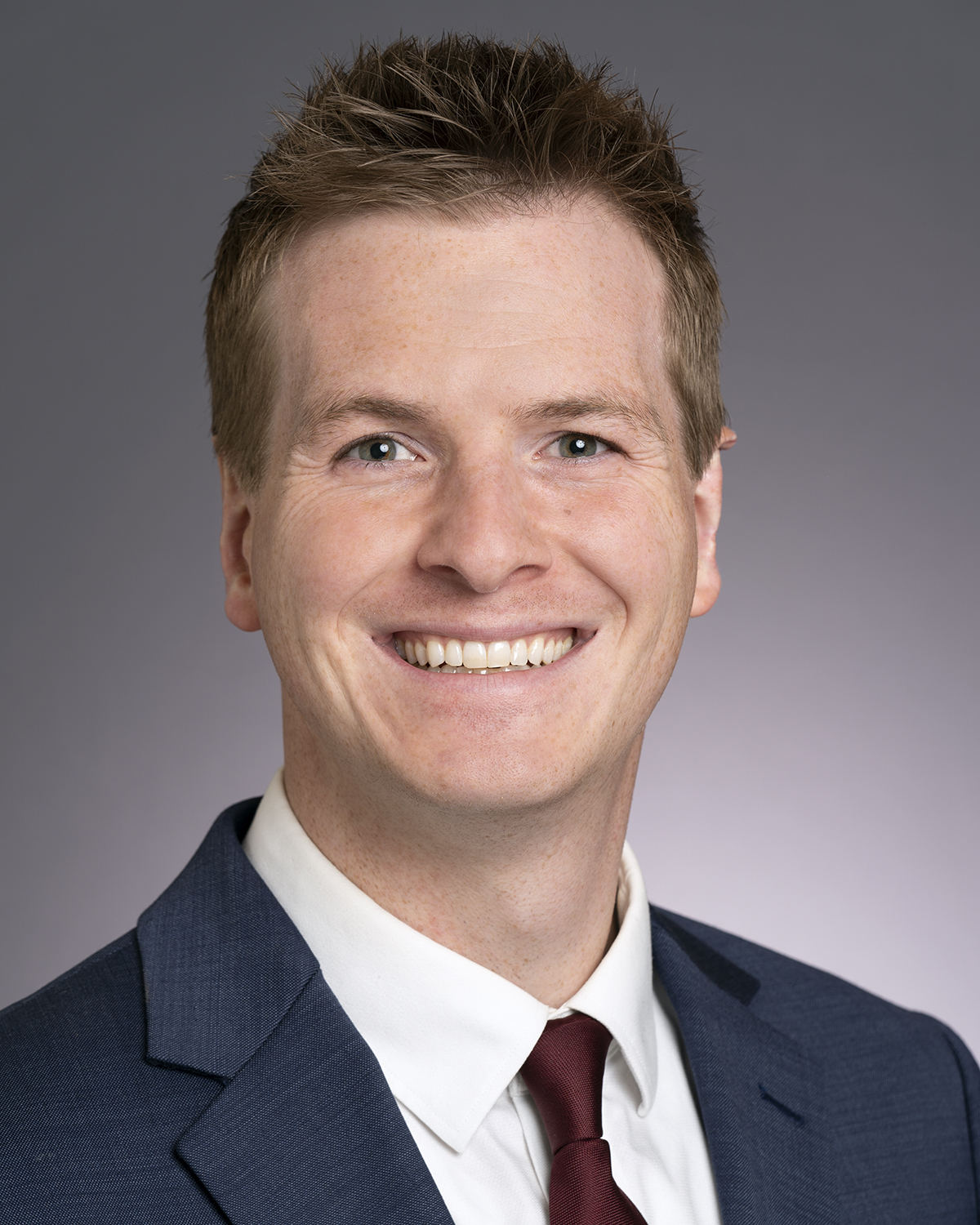
Sen. Grant Hauschild
Sponsored bills
Maddy summaryThis bill appropriates $2 million for fiscal year 2026 and $2 million for fiscal year 2027 from the general fund to the Board of Water and Soil Resources. The funds support Minnesota's "Lawns to Legumes" program, which helps landowners replace turf grass with pollinator-friendly plants like legumes. The program directly affects homeowners, farmers, and land managers seeking to create habitat for bees and other pollinators. The funding enables technical assistance, cost-share incentives, and educational resources to expand the initiative.
Maddy summaryThis bill creates a refundable tax credit for developers converting underutilized buildings in Minnesota. It allows a credit equal to up to 30% of qualifying conversion costs for projects that meet specific criteria: the building must be at least 15 years old, either repurposed from one commercial use to another or had 50% vacancy for 5+ years, and retain at least 75% of existing external walls and structural framework. The credit is claimable in the year the project is completed and placed in service, with applicants required to apply before conversion begins and submit financial details. The credit expires after a set period (sunset provision), and applications are processed through the Department of Employment and Economic Development.
Maddy summaryThis bill appropriates $28.18 million from Minnesota's Environment and Natural Resources Trust Fund for the state's Community Grant Program in fiscal year 2026. The funds will support local community projects focused on environmental conservation, natural resource management, and outdoor recreation. This one-time appropriation is available until June 30, 2028, and directly affects communities applying for grants under the program established by Minnesota Statutes section 116X.03. The bill does not create new policy but allocates specific funding for existing grant programs.
Maddy summarySF 2467 authorizes the City of Two Harbors to create designated "social districts" where residents and visitors can consume alcohol purchased from nearby licensed businesses in public areas. It requires the city to define district boundaries, hours, and safety rules, including posting signs and mandating special containers (no glass, 16oz max, with "Drink Responsibly" labels) for alcohol consumed in these zones. Businesses must only sell alcohol for consumption within the designated district, and the city must report to legislators after 24 months on community impact, safety, and operational challenges. This bill directly affects Two Harbors businesses with on-sale liquor licenses, nearby residents, and public safety management within the districts.
Maddy summarySF 993 appropriates $250,000 for each of the 2026 and 2027 fiscal years to the Hospitality Minnesota Education Foundation. The funds support the ProStart program in Minnesota high schools, which provides culinary and hospitality management education to address workforce shortages in the industry. The grant must be used for student curriculum, tools, skills training, professional development, and scholarships within hospitality. This is a one-time appropriation targeting high school students participating in the ProStart program.
Maddy summarySF 1622 modifies how Minnesota reimburses Federally Qualified Health Centers (FQHCs) and rural health clinics for medical services. It requires these providers to annually choose between two payment methods: the standard prospective payment system or an alternative method based on Medicare cost principles. This change applies to all claims for services provided on or after January 1, 2021, updating Minnesota's reimbursement process under state law. The bill directly affects FQHCs and rural health clinics operating in Minnesota that receive state medical assistance payments.
Maddy summaryThis bill appropriates $10 million from the general fund for Minnesota's Community Energy Transition Grant Program, administered by the commissioner of employment and economic development. The funds are a one-time allocation for fiscal year 2026, available until June 30, 2028, to support community energy transition initiatives under Minnesota Statutes section 116J.55. The bill does not create new policy but provides specific funding for an existing program focused on economic development in energy transition efforts.
Maddy summarySF 2293 creates a new income tax subtraction for Minnesota employees working at critical access dental clinics. It allows employees to exclude from taxable income the student loan payments made by their employer (the clinic), as long as those payments meet specific IRS criteria under Section 127. This directly affects employees of clinics designated as "critical access dental providers" under Minnesota law (section 256B.76, subdivision 4). The provision takes effect for tax years beginning after December 31, 2025.
Maddy summarySF 1621 appropriates $2.5 million from the general fund for each of fiscal years 2026 and 2027 to provide subsidies to federally qualified health centers (FQHCs) in Minnesota. These centers, which serve underserved communities and provide primary care, directly benefit from the funding under Minnesota Statutes section 145.9269. The bill authorizes the commissioner of health to distribute these funds to eligible FQHCs to support their operations. This is a funding measure, not a policy change, with no additional requirements or program modifications specified.