

Maddy summaryHF 3719 requires Minnesota's Campaign Finance and Public Disclosure Board to study whether local candidates (for city, county, or school district offices) could use the state's campaign finance reporting software to track contributions and expenditures. The bill mandates a pilot project allowing candidates in at least four local jurisdictions (including one county, one city, and one school district election, with half outside the metro area) to test the software during the 2026 general election cycle. The Board must submit a report detailing the study results and recommendations to lawmakers by March 15, 2027. This bill does not change existing reporting requirements but explores potential software use for local candidates.
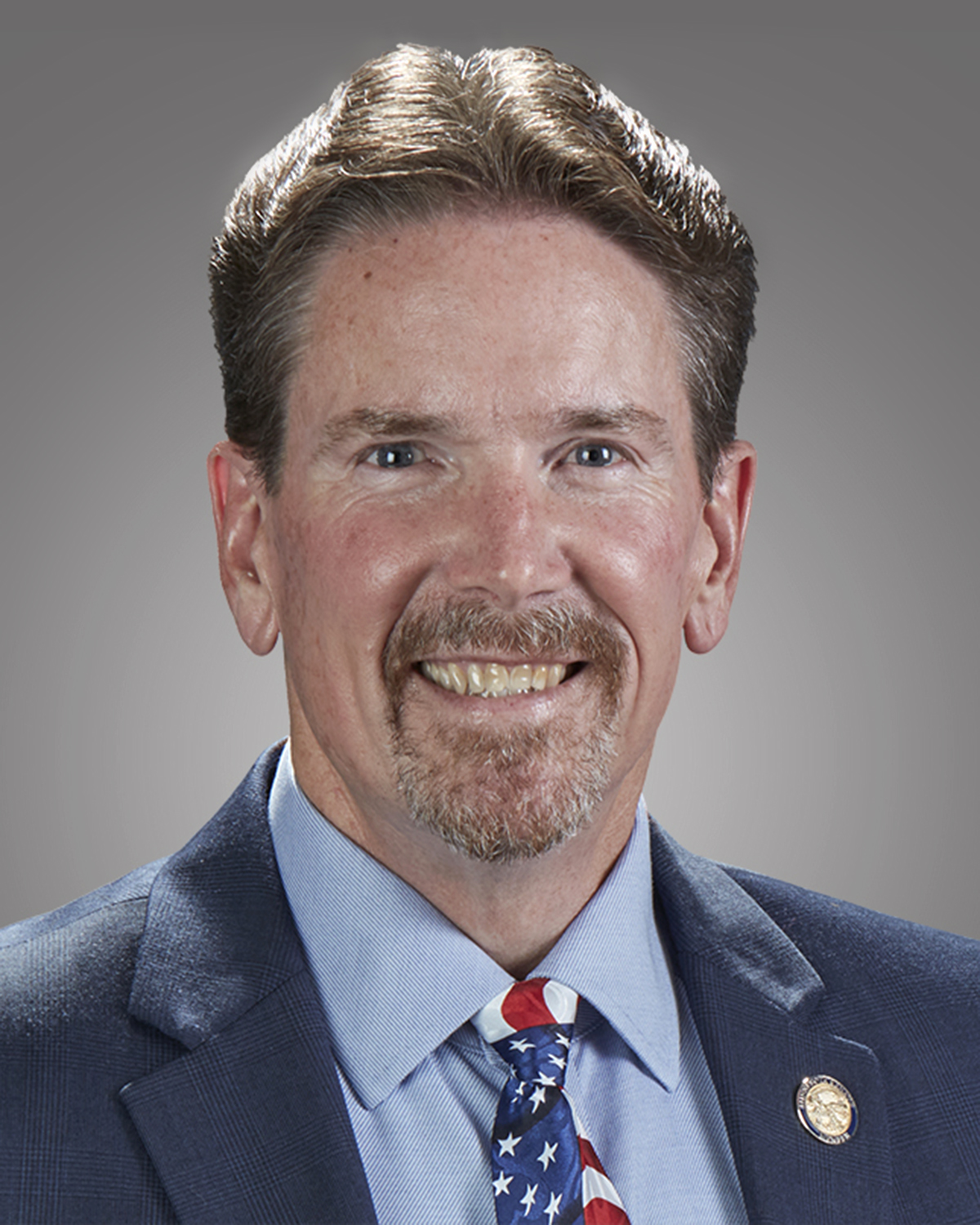
Sen. Mark Koran
Sponsored bills
Maddy summaryThis bill updates Minnesota's campaign finance and ethics laws by increasing reporting thresholds for certain political contributions and clarifying deadlines for filing financial disclosure statements. It directly affects public officials, local candidates, and campaign committees operating in the state, particularly those in the seven-county metropolitan area and cities with over 50,000 residents. Key provisions include extending the time for candidates to file statements of economic interest from 14 days to 60 days after election filing, requiring officials to disclose potential conflicts of interest in writing, and expanding the definition of metropolitan governmental units to include additional agencies. The legislation also makes technical adjustments to align local candidate reporting requirements with state-level standards and ensures consistent data handling procedures for election officials.
Maddy summaryThis bill establishes a 30-day deadline for the Minnesota Senate and House of Representatives to confirm certain state appointments. If the Senate does not confirm an appointment within 30 legislative days of receiving it, or if both chambers fail to confirm within 30 days when both are required, the appointment is automatically rejected. The rule applies to most confirmed appointments but excludes positions on the Campaign Finance and Public Disclosure Board. This change shortens the previous 60-day confirmation period to accelerate the appointment process.
Maddy summaryThis bill authorizes the state to issue up to $5.5 million in bonds to fund improvements at a specific highway intersection in Forest Lake. The money will be used to design, acquire land for, and construct a roundabout at the crossing of U.S. Highway 61 and State-Aid Highway 32 to address safety and traffic flow. The legislation directs the state commissioner of transportation to manage the project and requires the commissioner of management and budget to handle the bond sale. Once enacted, the funds will come from the trunk highway fund's bond proceeds account to cover the costs of the infrastructure upgrade.
Maddy summaryHF 3496 requires inmates to pay all court-ordered restitution before becoming eligible for "supervision abatement status," which allows them to transition off active supervision. This change directly affects individuals on supervised release or conditional release terms who have earned compliance credits through good behavior. The bill amends Minnesota Statutes section 244.46 to add that restitution payment is a mandatory prerequisite for eligibility, overriding previous rules that allowed placement based solely on earned credits and time served. It does not alter existing safety risk assessments but adds payment as a strict eligibility condition. The bill is currently in the introduction stage, having been referred to the Public Safety Finance and Policy committee.
Maddy summarySF 3971 establishes a regulated program in Minnesota for the therapeutic use of psilocybin by adults aged 21+ with qualifying medical conditions. The bill creates specific roles including registered patients, designated cultivators, and registered facilitators who oversee preparation, administration, and integration sessions. It outlines protections for participants, requires commissioner oversight, sets fees, and establishes an advisory committee, drawing on Minnesota's medical cannabis program model to prioritize patient safety and compassionate access. The program prohibits commercial sales and restricts use to therapeutic settings, not recreational purposes.
Maddy summaryThis bill creates a working group to study how Minnesota can stop sending mixed household trash to landfills. The group will include representatives from government, industry, environmental groups, and the public, who must be appointed by October 1, 2026. Its main task is to develop a plan that eliminates landfilling by 2040, while also estimating the costs and benefits for various groups. The bill provides $250,000 in funding for the group's work and requires it to submit its final report by January 1, 2029.
Maddy summaryThis bill allocates $200,000 from the state's general fund to help the city of North Branch build a regional veterans memorial. The money is designated for fiscal year 2027 and will be managed by the commissioner of employment and economic development to provide a grant directly to the city. Funds are available only until the project is finished or cancelled, and the law takes effect immediately upon final passage.
Maddy summarySF 3900 requires Minnesota state agencies to implement recommendations from the Legislative Auditor related to grant management, inventory tracking, and debt collection. It mandates annual inventory training for employees handling state assets, establishes reporting requirements for agencies on implementing auditor findings, and creates oversight for state grant payments. The bill directly affects all executive state agencies, their commissioners, and employees managing grants or property. Key changes include new penalties for withholding audit information, annual reporting on recommendation implementation, and updated grant management policies.
Maddy summaryThis bill requires the state auditor to assign fraud risk scores to Minnesota political subdivisions, such as cities and counties, at least every two years. These scores will be based on internal controls, financial practices, and audit findings, with results displayed on a public dashboard for transparency. To receive state grants, political subdivisions must generally meet a minimum fraud risk benchmark established by the state auditor, though those who fall short can submit a plan to improve their controls for temporary eligibility. The legislation includes a pilot program to test the scoring system before full implementation and mandates that the state auditor provide guidance and update the scoring methodology as needed.