

Maddy summarySF 264 prohibits possessing dangerous weapons, including rifles and shotguns, within Minnesota's Capitol complex (excluding the National Guard Armory) starting August 1, 2025. It directly affects individuals with concealed carry permits who previously had an exception allowing them to carry rifles/shotguns in public places, by eliminating that exception specifically in the Capitol area. The bill amends existing law to clarify that permit holders may no longer carry these weapons in the Capitol complex without violating felony possession rules, though exceptions remain for law enforcement on duty and for evidence display with permission. This creates a uniform ban on rifles and shotguns in the Capitol complex, aligning it with existing restrictions for other dangerous weapons.
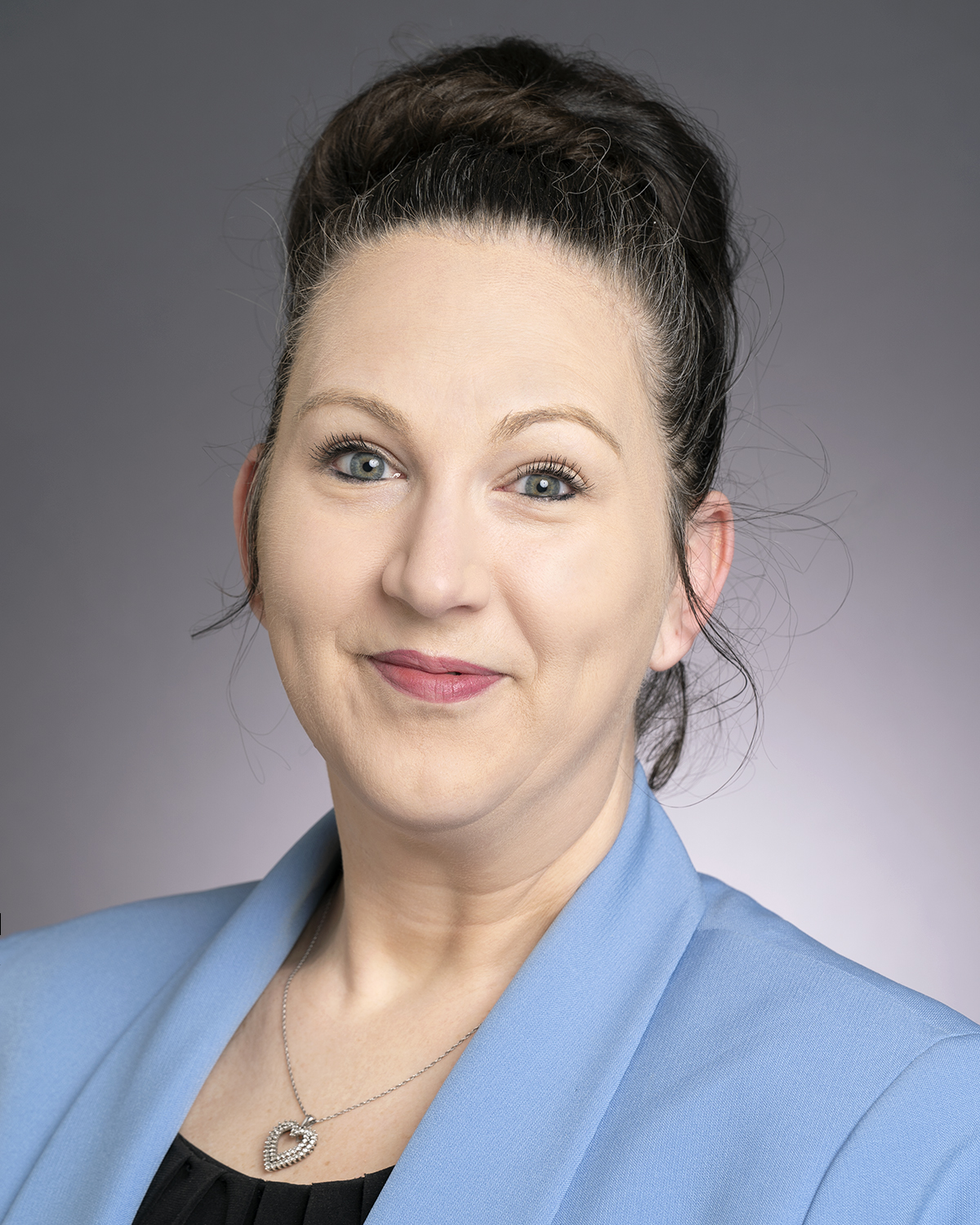
Sen. Liz Boldon
Sponsored bills
Maddy summarySF 364 appropriates $450,000 annually (2026-2027) to fund evidence-based literacy interventions for students reading below grade level in Minnesota public schools where most students qualify for free or reduced-price meals. The grant supports tutor training, materials, program delivery, and administration through the Dyslexia Institute of Minnesota. The Institute must submit annual reports to education committees by January 15, detailing fund usage and student literacy progress until 2028. This bill directly affects low-income public school students and requires specific reporting to ensure accountability for the state funds.
Maddy summarySF 275 requires Minnesota to adjust dental payment rates for MinnesotaCare and medical assistance programs every three years starting in 2026. It mandates that these rate adjustments must keep total spending within limits calculated using the Medical Economic Index (MEI) to account for cost changes. The bill directly affects dental providers serving MinnesotaCare and medical assistance patients, ensuring payments reflect inflation without increasing overall program spending. It excludes federally qualified health centers, rural clinics, state-operated dental clinics, and Indian health centers from this requirement.
Maddy summarySF 271 modifies licensing requirements for substance abuse counselors in Minnesota and strengthens protections for individuals objecting to religious elements in treatment. It requires counselors to complete 40 hours of continuing education every two years, including specific training on diversity, ethics, and secular treatment approaches for clients with religious objections. The bill prohibits courts or treatment programs from forcing individuals to participate in religious components of care, mandates documentation of religious objections, and requires offering equivalent non-religious alternatives. This directly affects licensed counselors (through updated education rules) and people in substance use disorder treatment programs (particularly those with religious objections to treatment). The bill amends multiple statutes including 241.415 (release plans for offenders) and 244.0513 (treatment program requirements).
Maddy summarySF 273 requires all Minnesota health plans to cover medically necessary dental procedures directly resulting from cancer treatments like chemotherapy, biotherapy, and radiation therapy. This coverage includes related evaluations, examinations, lab assessments, medications, and treatments. The bill directly affects cancer patients who need dental care as a side effect of their treatment and applies to insurance contracts issued, renewed, or amended after the law takes effect. It mandates specific coverage for these dental needs without adding new costs to patients beyond standard plan benefits.
Maddy summaryThis bill appropriates $750,000 for fiscal year 2026 and $750,000 for fiscal year 2027 from the workforce development fund to provide grants to Bridges to Healthcare. The funds will support career training and support services for low-income parents, non-native English speakers, and other hard-to-train individuals seeking jobs in healthcare fields. The grant covers program expenses like hiring instructors, space rental, and participant support - including childcare, transportation, and housing assistance - to help participants complete training and address healthcare worker shortages. Up to 5% of the grant may cover administrative costs for the organization.
Maddy summaryMinnesota Senate File 450 is a resolution urging Congress to pass federal legislation granting statehood to Washington, D.C. It cites that D.C. residents (nearly 700,000 people) pay federal taxes, serve in the military, and face the same responsibilities as state residents but lack voting representation in Congress, despite a 2016 referendum showing 86% support for statehood. The resolution directs Minnesota's Secretary of State to send copies to the U.S. President, Congress, and Minnesota's federal representatives. It does not create new laws but formally supports the existing congressional bill (H.R. 51/S. 51) that would admit D.C. as the 51st state with two Senators and one House member. This is a symbolic gesture by Minnesota lawmakers, not a binding policy change.
Maddy summaryThis bill modifies Minnesota's medical assistance dental coverage to include pediatric zirconia crowns for children as a covered service. It directly affects children enrolled in Minnesota's medical assistance program (like Medicaid) who require dental crowns for medically necessary treatment. The key change adds "pediatric zirconia crowns" to the list of covered dental services under section 256B.0625, ensuring these crowns are paid for without prior authorization. The bill also prohibits managed care plans from requiring prior approval for this specific service when provided through designated programs. This is a straightforward policy change expanding coverage for a specific dental treatment.
Maddy summaryThis bill appropriates $11.8 million from state bonds to fund a community reuse and recycling facility in Olmsted County. The funds will be used to design, construct, and equip the facility on Olmsted County's existing resource recovery campus. The state will issue bonds up to $11.8 million to cover the costs, with the money flowing to Olmsted County via a grant administered by the Pollution Control Agency. The facility will directly serve Olmsted County residents and support local waste management infrastructure.
Maddy summarySF 332 appropriates $19.375 million in state bond funds to Olmsted County for a materials recovery facility. The funds, sourced from state bonds, will be used by Olmsted County to design, construct, and equip a new facility for processing recyclable materials. This bill directly affects Olmsted County (as the recipient) and the state budget (through bond issuance). The key mechanism is authorizing the sale of $19.375 million in state bonds to finance the project, with funds becoming available only after required resource commitments are secured.