

Maddy summarySF 1032 requires landlords in Minnesota to provide tenants with written disclosure of all parties with an interest in the rental property, including their names and contact information. This directly affects landlords who must provide this information and tenants who will receive it. The key provision mandates written disclosure of ownership details at the time of lease signing or within a specified timeframe. The bill aims to increase transparency about property ownership for renters. (4 sentences)
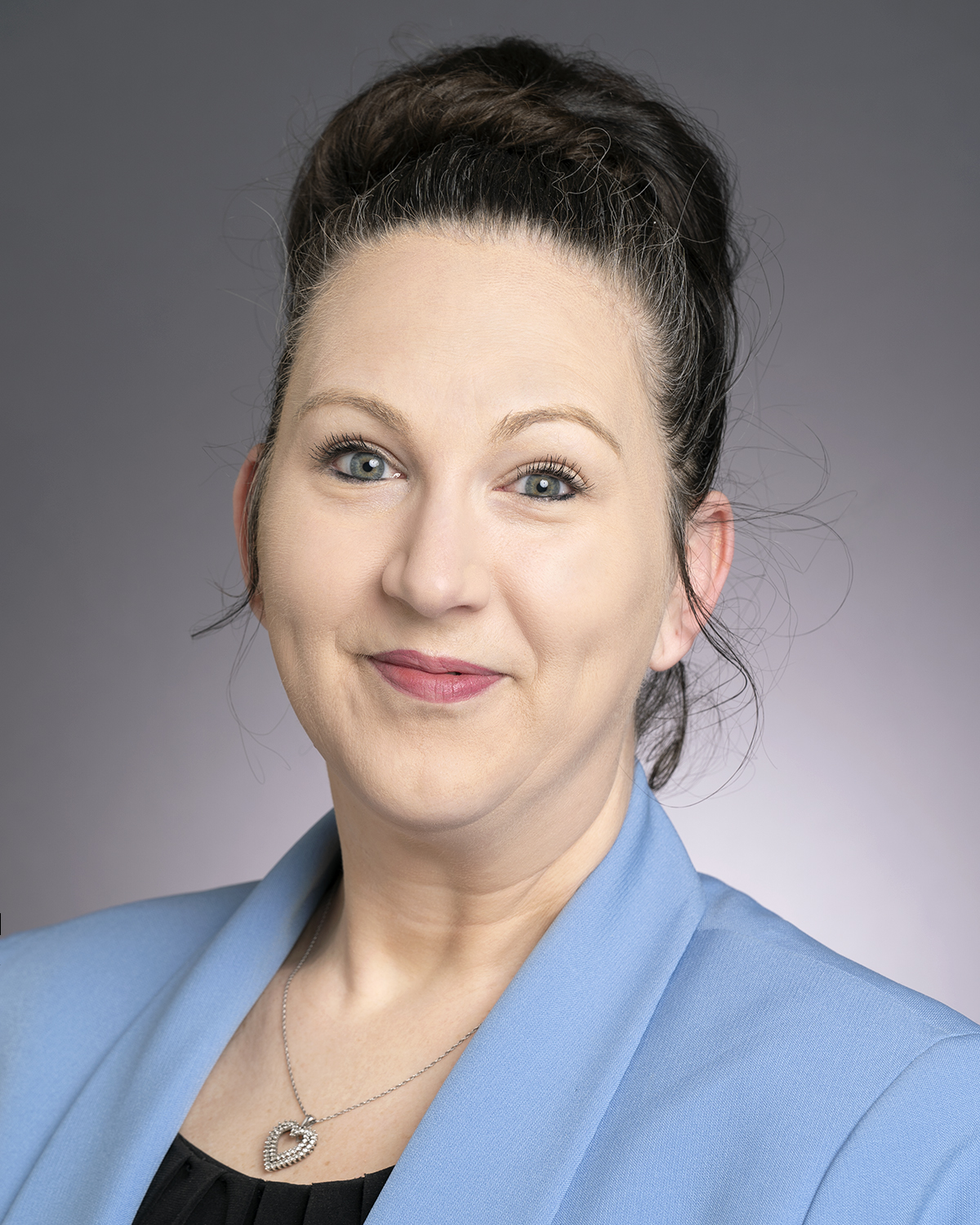
Sen. Liz Boldon
Sponsored bills
Maddy summarySF 1227 establishes a grant program to help counties and cities in Greater Minnesota fund public infrastructure (like sewers, water systems, and streets) needed for senior housing projects. It provides grants covering up to 50% of capital costs for eligible projects, requiring nonstate matching funds (cash, other grants, or in-kind contributions like land value). The bill sets specific grant limits: $40,000 per lot for single-family homes, $60,000 for manufactured housing lots, and $180,000 for multifamily units. It appropriates a one-time sum from the general fund for fiscal year 2026 to support this program, directly aiding senior housing developers and local governments in expanding housing options for Minnesotans aged 55+.
Maddy summaryThis bill (SF 1137) amends Minnesota law to clarify the definition of "covered services" in dental insurance plans. It specifies that covered services include dental care for which reimbursement is available under a plan, even after accounting for standard limitations like deductibles, co-pays, or annual maximums. The bill requires dentists to provide patients with a cost estimate for non-covered services before treatment and prohibits charging more than usual fees for those services. It does not change existing plan limitations like deductibles or annual benefit caps, but ensures transparency for patients regarding costs of non-covered care.
Maddy summaryThis bill establishes the Minnesota SNAP Step Up for Seniors program, which provides state-funded supplements to help seniors aged 55+ who receive federal SNAP benefits below $50 per month reach that minimum amount. The state will cover the difference between a senior's federal SNAP benefit and $50, with the supplement added to their existing SNAP benefits. The program ensures the supplemental amount is not counted as income for other assistance programs, and it prioritizes federal funding over state funds if available. It requires the state to appropriate $ for fiscal years 2026-2027 to implement this benefit.
Maddy summarySF 1203 requires dental insurance organizations in Minnesota to pay dentists directly for services when patients submit a written request, even if the dentist is not part of the insurance network. This affects patients seeking out-of-network dental care who want to avoid paying higher out-of-pocket costs. The key provision amends Minnesota Statutes 2024, section 62Q.78, mandating direct payment to the dentist upon written patient request. The bill applies to all dental insurance plans covered under this statute.
Maddy summarySF 529 proposes adding a new constitutional section to Minnesota's state constitution that states: "Elections shall be free, fair, and equal. No civil or military power shall, at any time, interfere with the free exercise of the right to vote." If approved by voters in the 2026 general election, this amendment would take effect January 1, 2027, directly affecting all Minnesotans participating in state elections. The bill requires voters to approve the amendment with a "Yes" or "No" vote on the question: "Shall the Minnesota Constitution be amended to provide for free, fair, and equal elections and prohibit civil and military powers from interfering with the right to vote?"
Maddy summaryThis bill appropriates $15 million for the Head Start program in fiscal year 2026 and another $15 million for fiscal year 2027, funded from the state general fund. The funds will support Minnesota's Head Start services under Minnesota Statutes § 142D.12, administered by the commissioner of children, youth, and families. The bill directly affects early childhood education programs serving low-income families across Minnesota.
Maddy summarySF 1034 appropriates $250,000 from the general fund for fiscal year 2026 to create a Community Engagement Response Team in Rochester. The funds will be provided as a grant to a nonprofit organization, which must form a team of community leaders and volunteers. This team will directly serve Black, Indigenous, and People of Color communities by acting as liaisons between these communities and law enforcement, mediating conflicts, curating opportunities, and providing advocacy to improve public safety. The bill focuses on funding a specific local initiative rather than creating new statewide policy.
Maddy summarySF 1018 appropriates $2.8 million for fiscal year 2026 and $2.8 million for fiscal year 2027 from the state general fund to the commissioner of health for a grant to Greater Twin Cities United Way. The funding will directly support expanded services including call follow-up, operational support, outreach efforts, and increased assistance for callers. This bill provides concrete financial support to the United Way organization to enhance its community service operations in the Twin Cities metropolitan area. The grant mechanism is limited to these specific service enhancements without altering existing laws or creating new programs.
Maddy summaryThis bill modifies requirements for physician assistants (PAs) in Minnesota to practice under collaborative agreements with physicians. It removes the current restriction that collaborative agreements must involve physicians licensed under Minnesota law (Chapter 147), allowing PAs to instead work under agreements with physicians licensed in other states or U.S. territories. The bill maintains the existing 2,080-hour practice requirement within a collaborative setting but broadens the pool of eligible collaborating physicians. This change directly affects PAs seeking licensure or renewal who need to establish collaborative arrangements to meet practice experience requirements.