

Maddy summarySF 2152 requires Minnesota's human services commissioner to establish a $4.50 per prescription payment for eligible pharmacies in rural or underserved areas to improve access to pharmaceutical services. Managed care plans and pharmacy benefit managers must pay this amount to participating pharmacies without reducing existing payments for prescriptions dispensed to medical assistance enrollees. Eligible pharmacies must be independently owned (not affiliated with pharmacy benefit managers or health insurers), located in medically underserved areas, or part of a chain with 12 or fewer Minnesota pharmacies. The bill appropriates funds from the general fund for this program in fiscal years 2026 and 2027, with implementation dependent on federal approval.
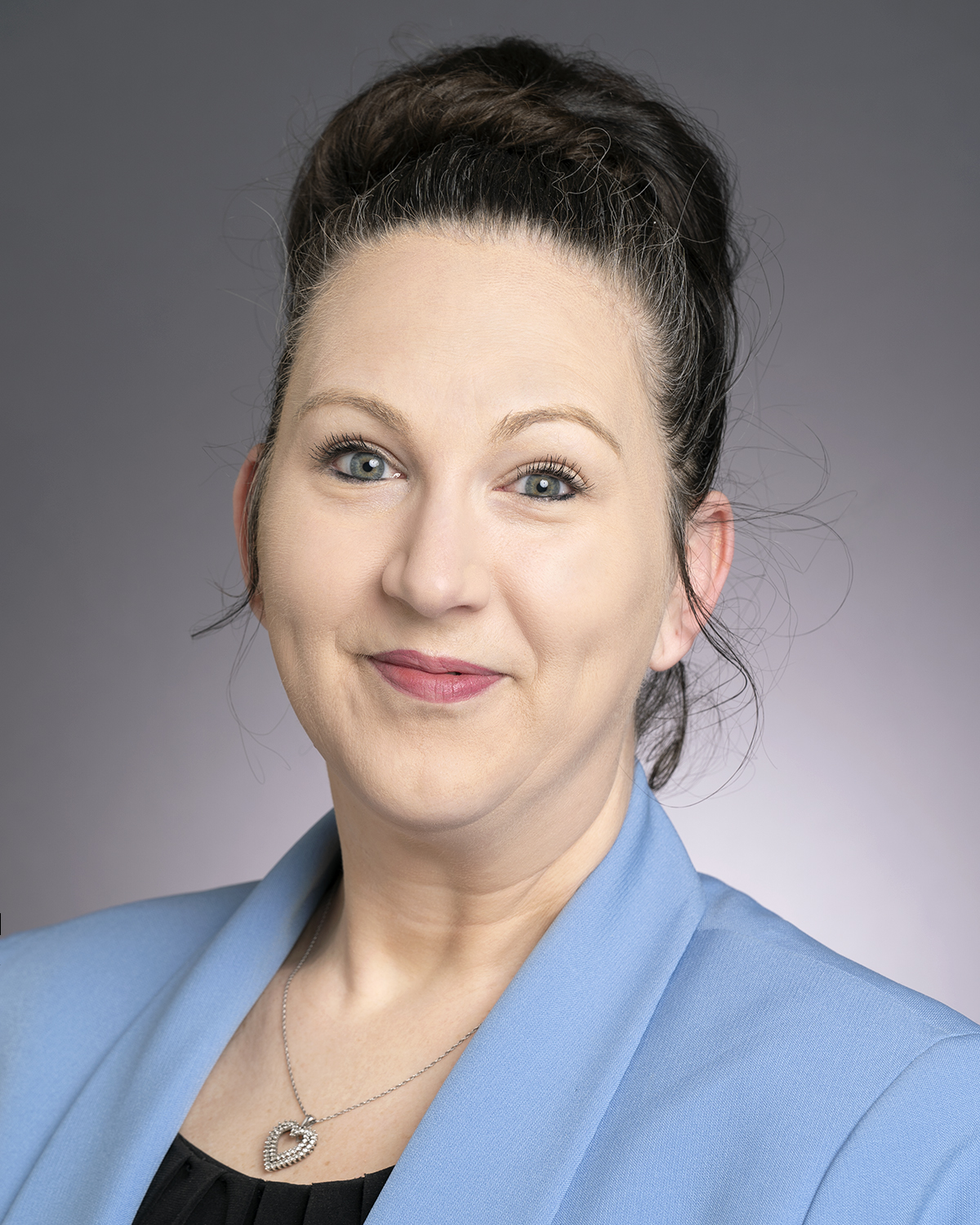
Sen. Liz Boldon
Sponsored bills
Maddy summaryThis bill requires most health insurance plans in Minnesota to cover the management and treatment of obesity as a chronic disease. It mandates coverage for three specific treatments: intensive behavioral lifestyle programs, metabolic/bariatric surgery, and FDA-approved obesity medications. The law prohibits plans from applying stricter coverage rules for obesity than for other medical conditions, ensuring equal treatment for deductibles, co-pays, and coverage limits. The requirement takes effect for health plans on or after January 1, 2027, and for state medical assistance programs on or after January 1, 2026.
Maddy summarySF 1450 requires manufactured home park owners to notify the Minnesota Attorney General 120 days before transferring ownership or control to a private equity company. The bill mandates that the private equity company submit detailed information - including ownership structure, financial capability, legal history, infrastructure plans, and rent history - to the Attorney General for review. It also requires the company to provide evidence they can operate the park responsibly, avoid excessive rent hikes (capped at Consumer Price Index increases), and maintain infrastructure. This law directly affects manufactured home park residents and owners, as well as private equity firms seeking to acquire such properties.
Maddy summarySF 928 modifies Minnesota's children's mental health grant program to expand funding for school-linked services. It allows grants to cover telehealth services (section 1.12), family support coordination (1.14-1.16), school staff training (1.19-1.21), and transportation for students outside school hours (1.17). The bill requires grantees to seek third-party reimbursement but prohibits billing public schools and mandates services regardless of a student's health coverage or ability to pay (2.3-2.6). It directly affects schools, community mental health providers, and students needing behavioral health support. The bill appropriates funds to implement these expanded services under existing statutes.
Maddy summarySF 1888 authorizes Minnesota to issue up to $1 million in state bonds to fund electric bus charging stations for school transportation. The bill appropriates $1 million from bond proceeds to the commissioner of commerce for grants to eligible school districts and public transit providers under Minnesota Statutes § 216C.374. These grants will support installing Level 2 and Level 3 charging infrastructure specifically for electric buses used to transport students. The funding mechanism relies on state bond sales, not general appropriations, and aligns with the existing electric school bus deployment program.
Maddy summarySF 2116 modifies how Minnesota towns calculate their state aid by changing the formula used to determine each town's share. It updates the "town aid factor" calculation to combine agricultural property, town area, and population factors, while increasing the annual state funding limit for town aid from $10 million (for 2015-2025) to $11.5 million (starting in 2026). This bill directly affects all Minnesota towns receiving state aid under this program, which includes rural communities relying on this funding for local services. The changes take effect for aid paid in 2026 and later, based on the most recent available data as of January 1 each year.
Maddy summarySF 1912 would allow Minnesota cities and counties to adopt ranked choice voting for local elections, such as mayoral or city council races. The bill creates new procedures in Minnesota Statutes (Chapter 204E) for how ranked choice voting must be implemented, including rules for counting ballots (where votes transfer to the next-ranked candidate if a voter's top choice is eliminated) and defining terms like "active candidate" or "batch elimination." It specifically applies only to local elections, not state or federal races, and requires jurisdictions to follow these standardized procedures if they choose to implement the system. The bill does not require any jurisdiction to adopt ranked choice voting, only authorizes it for local option.
Maddy summarySF 2007 modifies Minnesota's full-service community schools program by establishing new funding levels and requirements. It appropriates $100,000 per eligible school for one year to cover planning activities (like community engagement and baseline analysis) and $200,000 annually per school for up to three years to implement community school programming. Eligible schools must meet specific criteria, such as being on a continuous improvement plan or in a district with an approved achievement plan, and must hire site coordinators to manage services. The bill prioritizes schools with high needs (e.g., significant free/reduced lunch enrollment, homelessness) and requires school leadership teams with at least 30% parent/student representation.
Maddy summarySF 1963 requires health insurance plans in Minnesota to cover self-measured blood pressure monitoring devices and related services for enrollees diagnosed with uncontrolled hypertension. This coverage is limited to one device every three years and includes reimbursement for providers who train patients, transmit blood pressure data, and deliver co-interventions. The bill amends Minnesota Statutes to add this requirement under medical equipment coverage, effective January 1, 2026. It directly affects individuals with uncontrolled hypertension who rely on insurance for these medical devices.
Maddy summaryThis bill appropriates $2.5 million for fiscal year 2026 and $2.5 million for fiscal year 2027 from the general fund to the commissioner of children, youth, and families. The funds are specifically designated for child care improvement grants under Minnesota Statutes section 142D.20, subdivision 3, paragraph (a), clause (7). These grants will support child care providers in improving their services, with no funding allocated for administrative costs. The bill directly affects licensed child care providers in Minnesota who receive these grants to enhance their programs.