

Maddy summarySF 2423 establishes a grant program to create affordable homeownership opportunities for African Americans in Minnesota. The bill authorizes funding for cities, tribes, nonprofits, and community land trusts to develop affordable housing projects that specifically use African American workers in construction and workforce development. Grant funds must cover land acquisition, rehabilitation, construction training, and job placement programs while requiring projects to serve African American households earning 80% or less of the state median income for African Americans. The program also mandates that funds support expanding African American-run business, job training, and housing organization capacity. The bill appropriates funds for fiscal year 2026 but is currently in committee referral.
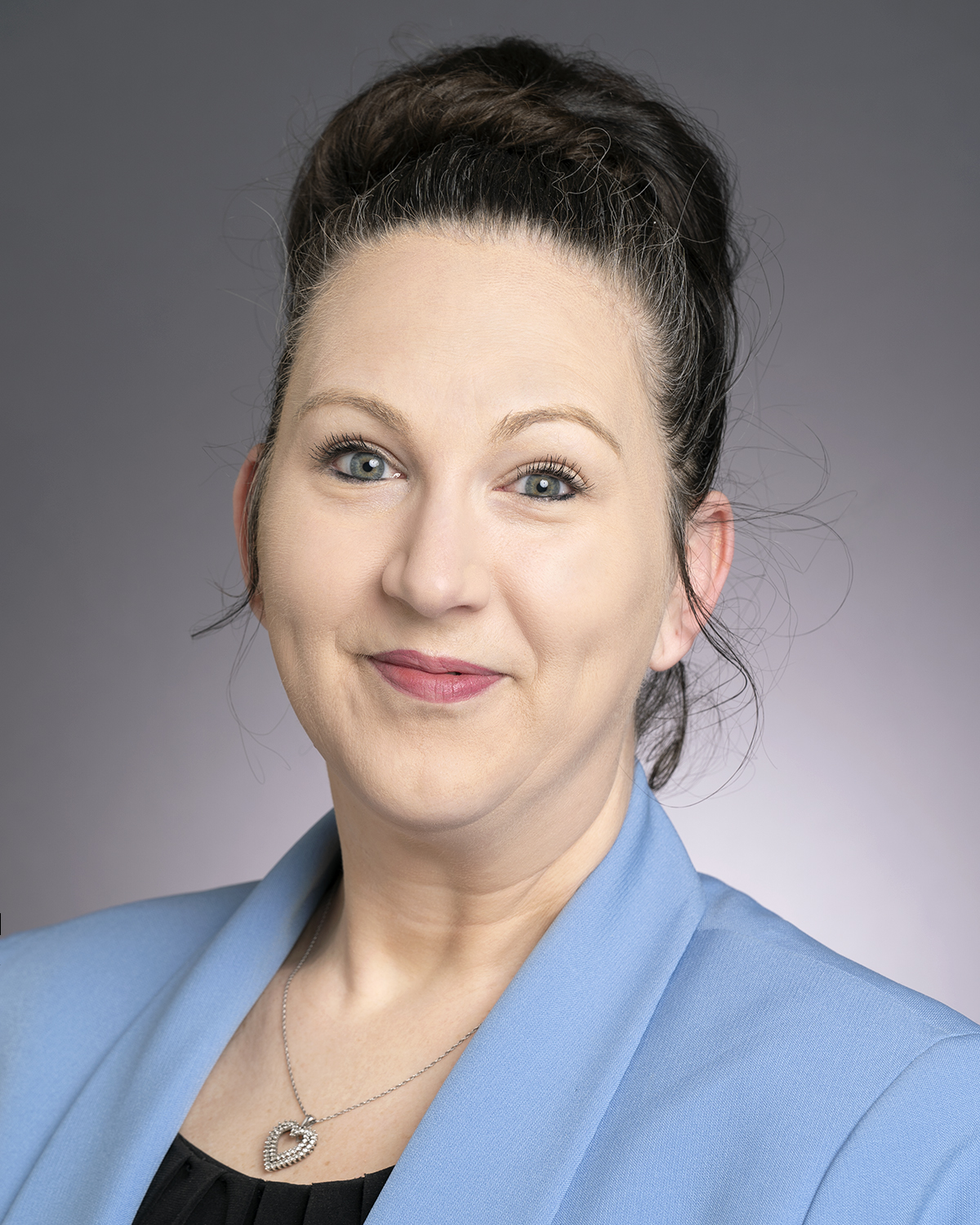
Sen. Liz Boldon
Sponsored bills
Maddy summaryMinnesota Senate File 2867 establishes a new fifth tax bracket for individual income tax to replace revenue lost due to federal Medicaid funding changes. The bill amends Minnesota Statutes to require the commissioner of revenue to set a specific tax rate for high-income earners (applying to taxable years 2025-2026) that generates revenue equal to the certified loss from federal policy shifts. This new rate applies to income above the existing highest bracket thresholds ($1,667,000 for joint filers, $1,000,000 for single filers). The measure directly affects high-income Minnesotans by increasing their tax burden to offset state Medicaid funding shortfalls.
Maddy summarySF 2517 is a non-binding resolution passed by the Minnesota legislature asking Congress to propose a constitutional amendment. It requests that Congress send to the states a proposed amendment clarifying that states and Congress may set reasonable limits on money spent to influence elections, including distinguishing between natural persons (individuals) and artificial entities like corporations or unions. The resolution cites Minnesota's existing constitutional authority (Section 9 of Article VII) to limit campaign spending and argues that Supreme Court decisions have wrongly equated unlimited spending with free speech. This resolution does not change any laws itself but formally requests action from Congress.
Maddy summaryThis bill appropriates $5 million for fiscal year 2026 and $5 million for fiscal year 2027 from the general fund to fund "community solutions for healthy child development grants" under Minnesota Statutes §145.9285. It directly provides funding to community organizations offering services focused on child development, including early learning, health, and family support programs. The key mechanism is the dedicated state funding allocation for these specific grants, administered by the commissioner of health. This is a funding measure, not a new policy, with no changes to existing program requirements.
Maddy summaryThis bill requires Minnesota's Department of Revenue to publicly post certain corporate franchise tax information on its website within one month after the third calendar year following a corporation's taxable year. It specifically applies to corporations with $250 million or more in annual gross sales or receipts, making available their franchise tax returns, calculation forms, and corporate identity for state tax purposes. The disclosure does not include federal tax information. The requirement becomes effective for data needed after December 31, 2025. This affects large corporations operating in Minnesota by increasing transparency around their state tax filings.
Maddy summaryThis bill establishes a state grant program to help ambulance services train and staff emergency medical technicians (EMTs). Licensed ambulance services that maintained at least 50% EMT staffing in the prior year can apply for grants covering tuition for EMT training programs, certification exam fees, background checks, and wage costs during training (capped at $26/hour). The program allocates $750,000 for fiscal year 2026 and $750,000 for fiscal year 2027 from the general fund. Grants must be used solely for these specified training and staffing costs, with applicants required to detail planned hires and training hours.
Maddy summarySF 1059 establishes Minnesota's Patient-Centered Care program to directly pay healthcare providers for services to medical assistance and MinnesotaCare enrollees, replacing current managed care contracts. The bill requires the state commissioner to pay providers directly (not through managed care organizations) for all services, including separate payments for drugs and vaccines, and adds monthly care coordination fees for primary care providers. It also funds community health workers to conduct outreach for vulnerable populations (like those experiencing homelessness or mental illness) and reduce hospital readmissions through discharge planning. This affects approximately 600,000 Minnesotans enrolled in medical assistance or MinnesotaCare programs.
Maddy summarySF 2191 appropriates $553,000 for fiscal year 2026 and $553,000 for fiscal year 2027 from the general fund to support Minnesota's diaper distribution program. The funds will be granted to the Diaper Bank of Minnesota through the Department of Children, Youth, and Families. This program provides diapers to low-income families across the state, directly aiding households facing financial barriers to essential hygiene products. The bill ensures continued funding for an existing service without creating new requirements or eligibility rules.
Maddy summaryThis bill requires local election officials to post clear, multilingual notices at any closed polling place stating the new location. The notice must remain posted for all primary and general elections until the next presidential election or redistricting occurs. It directly affects voters in precincts where polling places change and local election officials responsible for posting the notices. The requirement amends Minnesota election law to extend the notice period beyond a single election cycle, ensuring voters consistently receive updated polling place information.
Maddy summarySF 2043 establishes a 15-member work group to improve spoken language health care interpreting services in Minnesota. The group, composed of interpreters, LEP patients, health plans, agencies, and government representatives, must develop recommendations on interpreter certification standards, reimbursement, rural service gaps, and telehealth requirements by October 2025. It directly affects healthcare interpreters (especially those serving uncommon languages or rural areas) and patients with limited English proficiency. The bill appropriates funds for the work group’s operations and requires public input in Minnesota’s five most common languages.