

Maddy summarySF 2182 establishes performance thresholds for Minnesota's Northstar Commuter Rail line, directly affecting the Metropolitan Council (which operates the service) and the Minnesota Department of Transportation. The bill requires the line to meet specific ridership targets (less than 450,000 riders in any six-month period or less than 900,000 annually) or maintain a farebox recovery ratio above 40% in any calendar year starting in 2026. If these thresholds are not met, the bill mandates the permanent termination of the rail service, including decommissioning stations, ending all related agreements, and returning assets to the state. The law applies to the Minneapolis-Big Lake corridor and requires the Metropolitan Council to seek federal waivers if performance targets are missed.
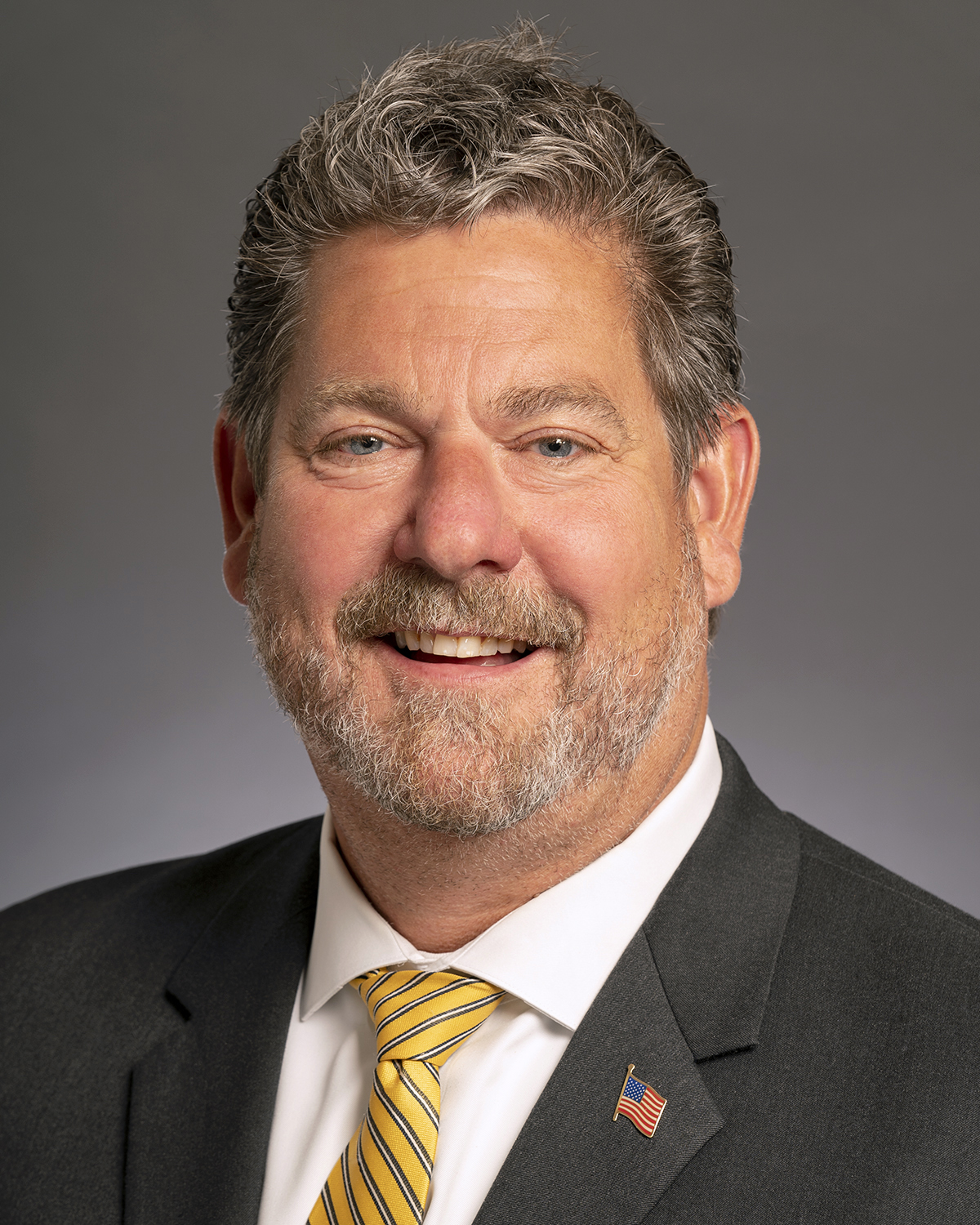
Sen. John Jasinski
Sponsored bills
Maddy summaryThis bill appropriates $97 million from state bonds to fund a new Minnesota State Patrol headquarters in the metropolitan area. The funds will cover acquiring property, construction, design, equipment, and space for offices, training, evidence storage, and vehicle operations. It authorizes the state to sell bonds up to this amount under existing bond laws to finance the project. The bill directly affects the State Patrol's operations and the communities where the new facility will be located.
Maddy summaryThis bill increases the allowable cultivation space for medical cannabis combination businesses from 60,000 to 90,000 square feet of plant canopy. It directly affects licensed businesses that grow cannabis sold as medical flower or medical cannabinoid products. To exceed the base limit, businesses must apply to the state office and demonstrate a legitimate market need, ability to meet licensing requirements, and capacity to cultivate the requested additional space. The change modifies Minnesota Statutes section 342.515, subdivision 2, which governs cultivation size limits for these specific medical cannabis operations.
Maddy summaryThis bill amends multiple Minnesota transportation statutes to update highway route descriptions, clarify intersection definitions, and modify traffic signal regulations. Specifically, it revises the boundaries for Highway 244 (between White Bear Lake and Mahtomedi) and Highway 246 (through Nerstrand and Northfield), updates the definition of "intersection" to address divided highways, and adjusts rules for yellow traffic signals and pedestrian crossing guidance. These changes affect how transportation routes are documented, how intersections are legally defined, and how traffic signals operate for drivers and pedestrians. The bill focuses on technical updates to existing statutes rather than introducing new policies.
Maddy summaryThis bill increases Minnesota's funding cap for tax credits supporting sustainable aviation fuel producers. It raises the annual allocation limit from $2.1 million to $10 million for fiscal years 2026 through 2029 (up from $2.1 million to $10 million annually). The change applies directly to companies producing sustainable aviation fuel within Minnesota, making more funding available for their tax credits. The amendment modifies Minnesota Statutes section 41A.30, adjusting the annual spending limit for this specific credit program. The change takes effect after final enactment.
Maddy summaryThis bill appropriates $55 million from state bonds to reconstruct a section of Trunk Highway 55 in Hennepin County. It funds the project to convert Highway 55 into a four-lane divided highway between Medina (near Arrowhead Drive) and Loretto (near Highway 19). The funds cover right-of-way acquisition, engineering, and construction. The project directly affects residents and commuters along this specific corridor in Hennepin County.
Maddy summarySF 1755 appropriates funds from the state general fund to the Twin Lake Association for water quality improvements at Upper Twin Lake in Hennepin County. The bill allocates money for a two-year project using nonchemical technologies, infrastructure, selective weed control, carp management, and training (funds available until June 2028), plus additional funds specifically for increased weed harvesting. It directly affects the Twin Lake Association as the grant recipient and benefits local residents and the lake ecosystem through targeted water quality efforts. The bill is purely a funding measure with no new regulations or policy changes.
Maddy summaryThis bill establishes a state-funded program to extend the design life of pavement on Minnesota's trunk highways from 20 years to at least 50 years for eligible projects. It directly affects the Minnesota Department of Transportation (MnDOT), which must use the program to fund pavement design revisions for trunk highway projects already in the state's transportation plan with a proposed design life of 20 years or less. Key mechanisms require projects to meet a cost-effectiveness ratio of at least 2 (comparing baseline pavement costs to modified project costs over their design lifetimes) and limit program spending to $150 million, available until 2035. The program mandates public reporting of selected projects, pavement changes, and fund usage on MnDOT's website.
Maddy summarySF 2110 expands Minnesota's list of inmates ineligible for earned incentive release credit under the Rehabilitation and Reinvestment Act. It adds specific serious offenses to the exclusion list, including crimes resulting in death, certain sexual offenses involving minors, child exploitation, violent crimes with weapons, and crimes carrying mandatory minimum sentences. This directly affects inmates serving sentences for these offenses who would otherwise qualify for early release through the program. The bill amends Minnesota Statutes sections 244.45 and 244.46 to implement these changes.
Maddy summarySF 2091 appropriates $40 million from the trunk highway fund for each of fiscal years 2026 and 2027 to fund Minnesota's Corridors of Commerce program. This program focuses on improving highway infrastructure in key commercial corridors across the state. The funding directly supports the Minnesota Department of Transportation in implementing projects under existing law (Minnesota Statutes § 161.088), targeting major freight and commerce routes. The bill does not create new policy but allocates specific state funds for ongoing infrastructure work.