

Maddy summarySF 3745 governs funding for the Blue Line light rail extension project (from Minneapolis' Target Field Station to Brooklyn Park). It requires that after using operating revenue and federal funds, remaining operating and capital maintenance costs must be covered by county sources, specifically Hennepin County using sales tax revenue or the county transportation sales tax. This law directly affects Hennepin County and six other counties (Anoka, Carver, Dakota, Ramsey, Scott, Washington) where the Blue Line extension operates. The bill amends Minnesota Statutes to establish this funding mechanism without changing the transit system's operations.
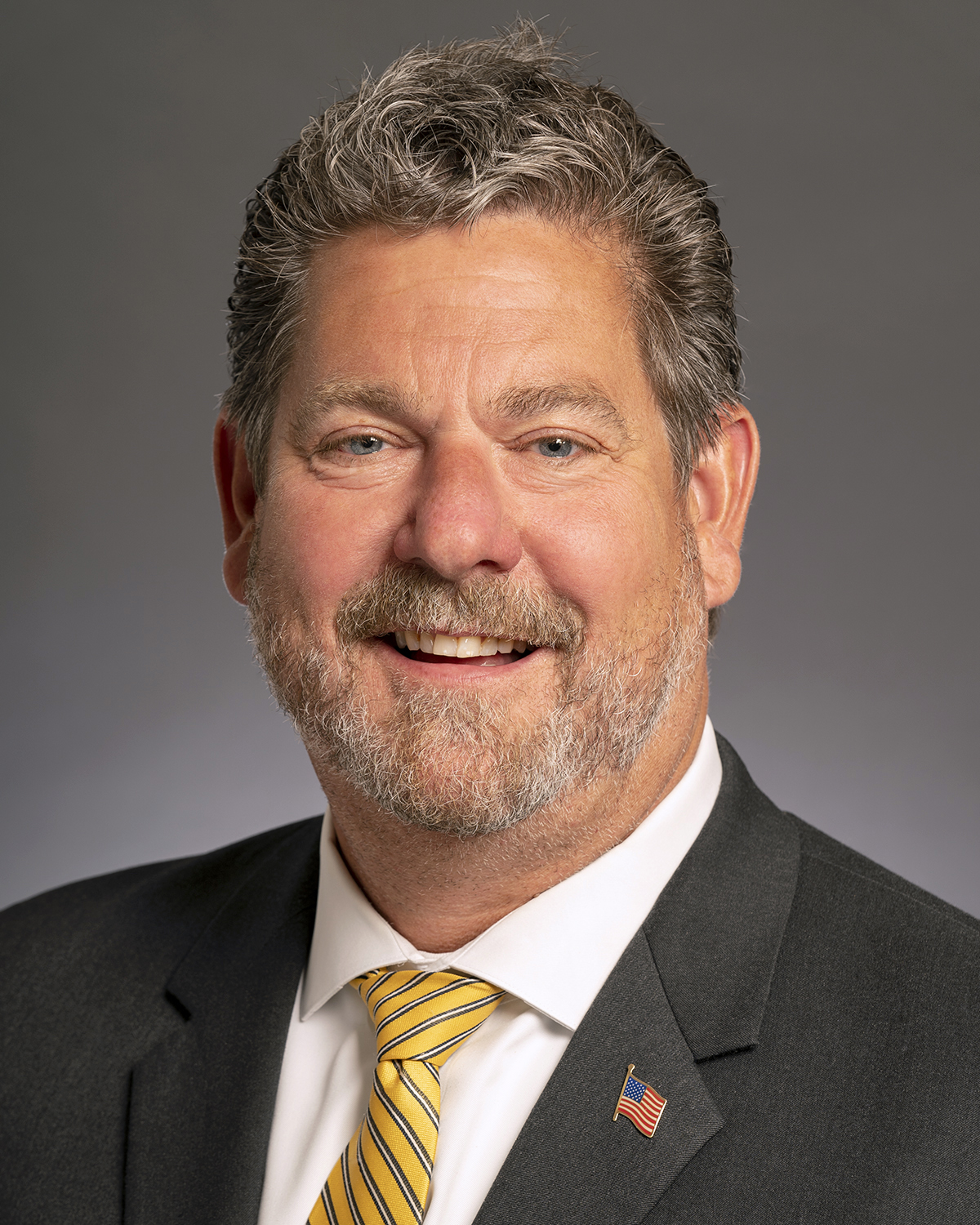
Sen. John Jasinski
Sponsored bills
Maddy summaryThis bill (SF 3738) creates a Minnesota state income tax deduction for qualified tip income, aligning the state tax code with the federal Internal Revenue Code. It directly affects Minnesota taxpayers who earn tips, allowing them to deduct qualified tips on their state tax returns starting in 2025 (retroactively). The key provision adopts the federal deduction method for tips, as defined under Internal Revenue Code section 224, and applies to taxable years beginning after December 31, 2024. The deduction becomes effective for tax years beginning after December 31, 2028, but applies retroactively to 2025. This change simplifies tax filing for tipped workers by matching state and federal treatment of tip income.
Maddy summaryThis bill modifies Minnesota's veteran special license plate inscriptions to better reflect specific service periods and military honors. It updates required wording for plates, such as changing "BRONZE STAR VET" to "BRONZE STAR MERITORIOUS" for recipients of that medal, adding "WOMAN VETERAN" plates, and specifying exact emblems for medals like the Purple Heart or Global War on Terrorism Service Medal. The changes apply to veterans who served in designated conflicts (e.g., Vietnam, Korean War, Gulf War) or received specific campaign medals, including National Guard members activated under federal service. The updated rules will take effect for plates issued on or after October 1, 2026.
Maddy summarySF 3669 modifies Minnesota's motor vehicle registration tax for passenger cars and hearses. It reduces the tax rate from 1.54% to 1.25% for vehicles registered before November 16, 2020, and from 1.575% to 1.285% for vehicles registered on or after that date. The bill changes the annual tax calculation, lowering the percentage applied each year (e.g., from 95% to 90% in year two) until reaching a flat $20 annual tax after the 10th year of registration. This affects all Minnesota vehicle owners registering passenger cars or hearses, with changes effective for registration periods starting January 1, 2027.
Maddy summaryThis bill authorizes the city of Owatonna to impose a 0.5% local sales and use tax, subject to voter approval, to fund a $75 million community center project and cover tax administration costs. The city may issue bonds for construction without being subject to standard debt limits or election requirements, with bond payments secured by the tax revenue and city credit. The tax expires after 25 years or when project costs are fully covered, and any remaining funds must be deposited into Owatonna's general fund.
Maddy summarySF 3562 appropriates $400,000 from state bond funds to the city of Medford for acquiring property and designing a new fire station. The bill authorizes the state to issue up to $400,000 in bonds to cover this cost, following standard bond procedures under Minnesota law. This directly affects Medford, enabling the city to plan and build a new fire station facility. The funds will specifically cover property acquisition and pre-design work for the station.
Maddy summarySF 1360 increases the speed limit for farm equipment used in agricultural operations to 35 miles per hour. This change applies to vehicles like tractors and other machinery commonly operated on public roads during farming activities. The bill directly affects farmers, agricultural workers, and rural communities by allowing these vehicles to travel at a higher speed on designated roads. It was signed into law on April 10, 2025, and became effective on August 1, 2025.
Maddy summarySF 2968, the "Consumer Choice of Fuel Act," prohibits Minnesota state agencies from adopting rules that restrict consumers' ability to purchase motorized equipment based on fuel type (like gasoline or electric) or require retailers to stock specific fuel-based equipment. It directly affects consumers, retailers, and manufacturers of items including generators, lawn mowers, recreational vehicles, passenger cars, farm equipment, and trucks. The bill eliminates existing "Clean Car rules" and amends statute 116.07 to prevent mandates on fuel sources for motorized equipment. This changes policy by removing regulatory barriers to consumer choice in fuel options for these products.
Maddy summaryThis bill (SF 2837) requires Minnesota's Department of Corrections to maintain a supply of nasal opiate antagonists (overdose reversal drugs like naloxone) at all correctional facilities and store sufficient doses for rapid response to opioid overdoses. It mandates that correctional staff receive training on recognizing overdose symptoms and administering these drugs, as specified in Minnesota Statutes section 241.76. The law directly affects incarcerated individuals facing overdose risks and correctional facility employees responsible for emergency response. The provisions aim to ensure immediate access to life-saving treatment during opioid overdoses within state prisons and detention centers.
Maddy summaryThis Senate resolution reaffirms Minnesota's commitment to its sister-state relationship with Taiwan and encourages local businesses to refer to the region by that name. It expresses support for Taiwan's ongoing negotiations with the United States to finalize a Bilateral Trade Agreement, an Avoidance of Double Taxation Agreement, and participation in the Indo-Pacific Economic Framework for Prosperity. The bill also highlights the economic benefits of this partnership, noting significant trade volumes and agricultural exchanges between the two areas.