

Maddy summaryThis bill authorizes private companies to administer road tests for commercial driver's licenses in Minnesota, expanding options beyond state-run testing centers. It allows approved third-party testing programs to conduct practical driving demonstrations for commercial license applicants, with the commissioner responsible for approving programs and setting requirements. Key provisions include establishing application procedures for testing programs, requiring surety bonds, and mandating that test routes be mapped and submitted for approval. The legislation also directs the commissioner to create rules implementing the program and requires a report on the initiative's implementation.
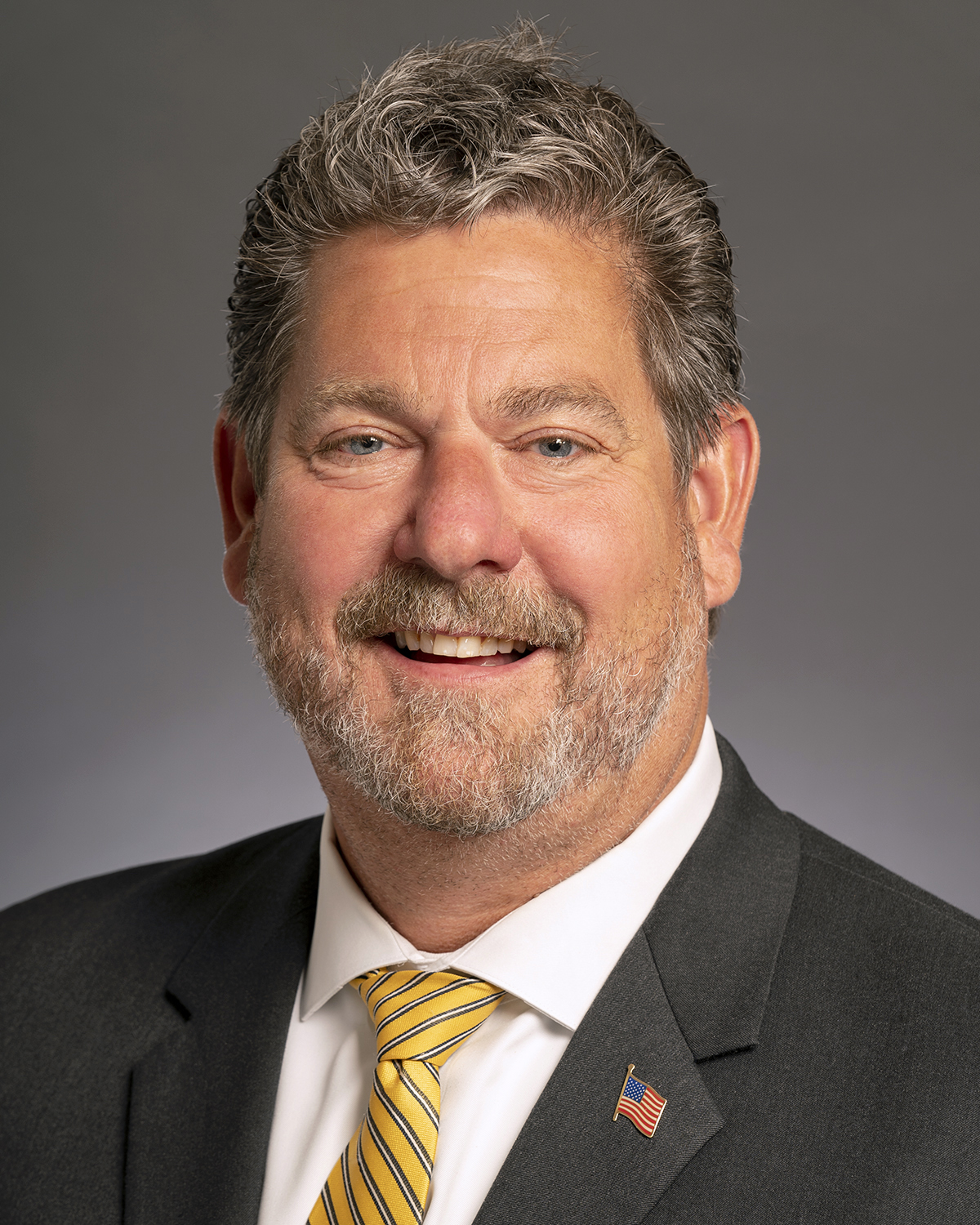
Sen. John Jasinski
Sponsored bills
Maddy summaryThis bill requires individuals aged 20 and under to complete a driver education course that includes both classroom instruction and behind-the-wheel training before they can obtain a driver's license in Minnesota. The law directly affects young drivers and their families by adding a new eligibility requirement for those under 21, while maintaining existing rules for drivers 21 and older. Under the new provision, applicants under 20 must successfully finish the approved driver education program before the Department of Public Safety will issue a license, regardless of their prior driving experience or permit history. This change builds on existing requirements for minors, which already mandate holding an instruction permit for six months and a provisional license for 12 months before applying for a full license. The bill amends Minnesota Statutes section 171.04 to include this additional educational requirement as a condition for licensure.
Maddy summaryThis bill authorizes the issuance of up to $350,000 in state bonds to fund a maintenance facility in the city of Medford. The appropriated funds will support the planning, design, construction, and equipping of the facility through a grant to the city. The commissioner of management and budget is responsible for selling the bonds and distributing the money to the commissioner of employment and economic development for the project. This legislation directly affects the city of Medford and the state's capital investment program.
Maddy summaryThis bill would allow individuals in Minnesota to request a speech condition identifier, such as one for stuttering, on their driver's licenses or state identification cards. The change would require the commissioner to add a graphic or written symbol upon the applicant's written request while prohibiting the inclusion of specific medical details on the document. Applicants could also request the removal of this identifier when renewing or replacing their license by paying the standard fee. The measure directly affects Minnesota residents seeking to indicate speech conditions on their identification documents without disclosing private medical information.
Maddy summaryThis bill establishes a new special license plate program in Minnesota for vehicles used in winter sports conservation. Vehicle owners who register for these plates will pay a fee that contributes money to a dedicated conservation account. The collected funds will be split evenly between snowmobile trail development and waste reduction efforts on ice. The special plates will feature the phrase "WINTER SPORTS CONSERVATION" and can be transferred between vehicles owned by the same person. The program will begin operating on January 1, 2027.
Maddy summaryThis bill restricts the Metropolitan Council from issuing certificates of participation for light rail guideways that rely on motor vehicle sales tax revenue, while requiring host counties to fund specific guideway costs. The law mandates that counties where guideways are located cover expenses for planning, design, construction, and operations that exceed federal, state, and other dedicated funding sources. It also requires counties to share capital maintenance and modernization costs based on an agreed-upon proportional distribution method. These provisions apply to Anoka, Carver, Dakota, Hennepin, Ramsey, Scott, and Washington counties and take effect on July 1, 2025.
Maddy summaryThis bill modifies Minnesota's accident reporting requirements to allow local law enforcement agencies to share crash data with contracted service providers authorized to support report generation and management. It defines "contracted service provider" as entities authorized by governmental agencies to assist with collecting and disseminating crash report data, with provisions effective July 1, 2026. The legislation maintains existing reporting obligations for accidents involving fatalities, injuries requiring medical treatment, disabled vehicles, or property damage while clarifying when and how reports must be submitted to the commissioner of public safety. Additionally, the bill updates confidentiality rules to permit disclosure of accident reports to specific parties including accident participants, their legal representatives, insurers, and law enforcement prosecutors, while keeping reports generally confidential and inadmissible as evidence in court proceedings.
Maddy summaryThis bill authorizes the state to sell up to $10 million in bonds to fund grants for the Greater Minnesota Business Development Public Infrastructure Grant Program. The funds will be used to support infrastructure projects in rural and less populated areas of Minnesota through grants administered by the commissioner of employment and economic development. The legislation establishes the legal framework for issuing these bonds and designates the money to come from the bond proceeds fund. It takes effect immediately upon final passage by the legislature.
Maddy summaryThis bill grants the Minnesota Public Safety Commissioner authority to collect unpaid fees for driver and vehicle services, allowing the commissioner to hire external debt collection services and retain collected funds in the state operating account. It also establishes a new option for customers to pick up physical items like license plates and registration cards in person at local offices after completing online transactions. Additionally, the bill clarifies how deputy registrars and driver's license agents are reimbursed for various administrative tasks and removes their responsibility for collecting outstanding debts. These changes centralize debt collection authority with the commissioner while expanding customer service options for online transactions.
Maddy summaryThis bill allows small employers in Minnesota with 100 or fewer employees to request refunds of special assessment fees they pay into the state workforce development fund. The refunded money must be used specifically to train current entry-level employees or provide training that leads to higher salaries or career advancement opportunities within the company. Employers must also ensure that all training is conducted for Minnesota-based employees. The bill requires the state workforce development commissioner to submit annual reports to legislative committees by January 15 each year, detailing the fund's balance and the total amounts collected and refunded.