

Maddy summaryThis bill (SF 174) changes the appointment process for the director of Minnesota's Division of Driver and Vehicle Services. It requires the Senate's "advice and consent" (approval) for the commissioner to appoint this director, replacing the current process where the commissioner could appoint without Senate input. The bill directly affects the director position within the Department of Public Safety's driver services division. This is a procedural change to the appointment authority, not a substantive policy shift in driver services operations.
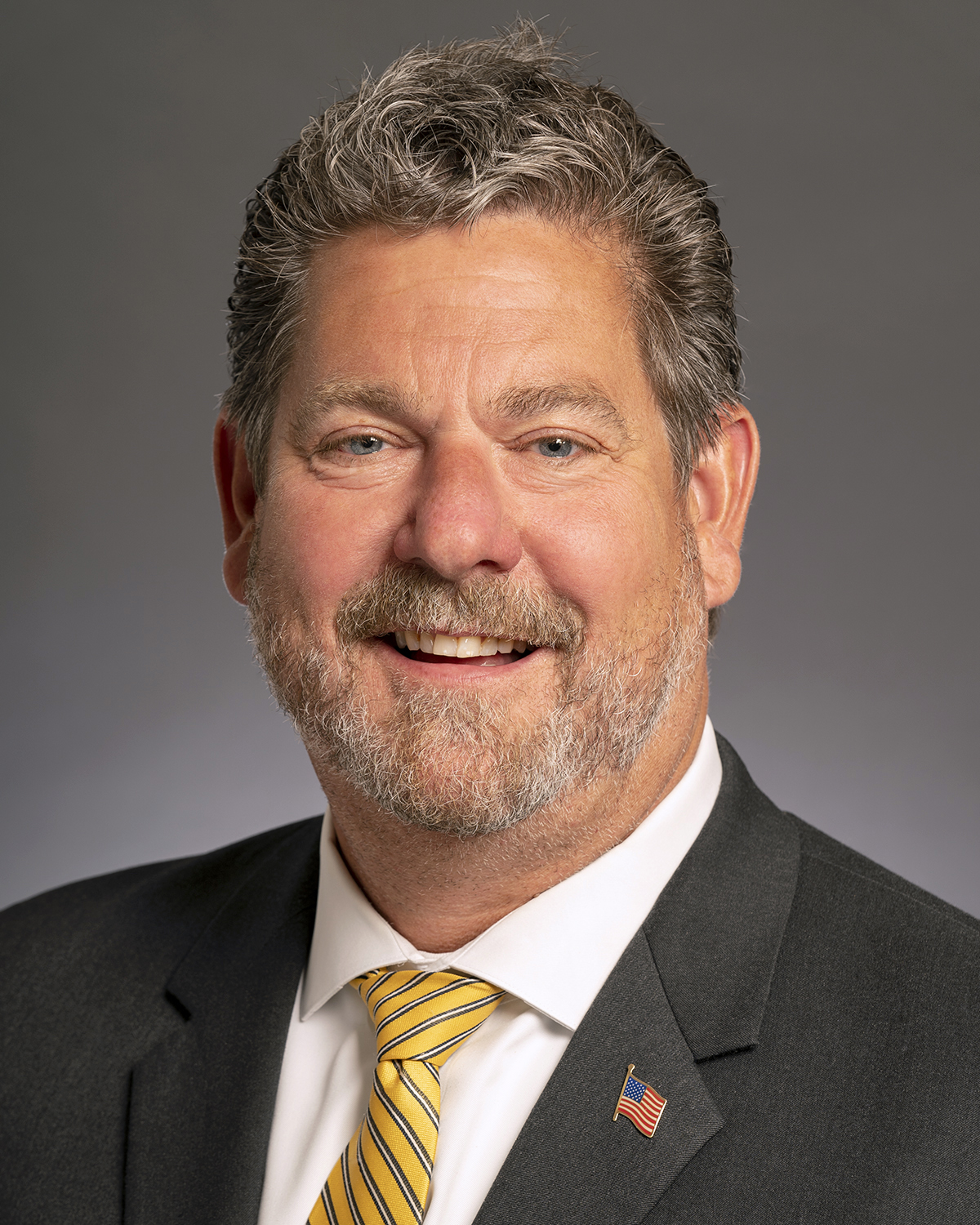
Sen. John Jasinski
Sponsored bills
Maddy summaryThis bill permits Minnesotans to make small quantities of alcohol at home for personal or family use, without needing a license. It allows up to 100 gallons of distilled spirits per year for home consumption or for sharing at organized events like tastings, but prohibits selling the homemade alcohol. The bill requires clear labeling at events stating the product is homemade, not inspected by the state, and for use only by those over 21. It also repeals a previous law that treated finding an unauthorized still as proof of illegal production. This change directly affects residents who distill alcohol at home, making the activity legal under specific, limited conditions.
Maddy summaryThis bill appropriates $100 million from the general fund for the Corridors of Commerce program in fiscal years 2026 and 2027. The funds are directed to the Minnesota Department of Transportation commissioner to support the program's existing operations under Minnesota Statutes section 161.088. The bill provides no new policy changes, only funding for a program focused on transportation infrastructure improvements.
Maddy summaryThis bill allows Minnesota driver's license and ID card applicants to declare their citizenship or immigration status without proving it to the state. It creates "noncompliant" licenses (not meeting federal REAL ID standards) that must be marked "not for federal identification," "not for voting," and "not for benefits." These licenses cannot be used for federal purposes or state benefits, and applicants who don't demonstrate U.S. citizenship or lawful presence can still obtain them. The bill directly affects noncitizen residents applying for licenses in Minnesota who cannot or choose not to provide federal immigration documentation.
Maddy summarySF 181 authorizes the state to sell up to $20 million in bonds to fund the Minnesota Rail Service Improvement Program. The funds will be used to provide grants to rail service providers for projects improving rail infrastructure and operations, as outlined in Minnesota Statutes section 222.50. This bill directly affects rail operators and communities seeking funding for rail service enhancements. The program is financed through bond sales following state constitutional and statutory procedures for bond issuance.
Maddy summarySF 231 prohibits using dedicated transportation funds - specifically the highway user tax distribution fund and trunk highway fund - for arts or cultural strategies in transportation project planning, design, or construction. The bill amends Minnesota Statutes by adding a new restriction (item 18) to existing prohibitions on fund usage. This directly affects state transportation projects funded through these dedicated sources, banning expenses like public art installations, cultural-themed designs, or cultural programming within such projects. The policy change ensures these specific funds are restricted to core transportation infrastructure needs, not artistic or cultural elements.
Maddy summarySF 252 requires local governments and transportation agencies to conduct a detailed cost-benefit analysis before selecting a transit guideway project. The analysis must compare the proposed guideway with alternatives like bus rapid transit, regular bus service, and road capacity expansion, including specific metrics such as ridership, vehicle traffic changes, maintenance costs, economic benefits, and environmental impacts. It applies to projects seeking state or federal funding in Anoka, Carver, Dakota, Hennepin, Ramsey, Scott, and Washington counties, excluding the Gold Line project. The findings must be publicly posted and submitted to state officials for transparency. This law aims to ensure decisions are based on comprehensive data about project costs, benefits, and alternatives.
Maddy summarySF 180 creates a new civil liability for intentionally obstructing public highways in Minnesota. It allows injured individuals to sue for damages, reasonable attorney fees, and costs if someone intentionally interferes with or makes a highway dangerous. The bill exempts law enforcement, emergency responders, and utility workers acting within their duties, and gives state agencies the choice between civil lawsuits or criminal prosecution for the same highway obstruction. This law takes effect August 1, 2025, and applies to incidents occurring on or after that date (Minnesota Statutes § 169.907).