

Maddy summarySF 255 creates a property tax exemption for specific properties owned and operated by federally chartered veterans service organizations in Minnesota. The bill amends tax laws to exempt qualifying property under a new classification (section 272.02, subdivision 106), directly affecting these veterans organizations by removing property tax liability on their qualifying facilities. Key mechanisms include requiring the commissioner of veterans affairs to annually provide a list of eligible organizations to the commissioner of revenue by January 1, and the exemption taking effect for the 2025 tax assessment year. This policy change specifically modifies tax classification rules without altering existing rates or creating new tax obligations.
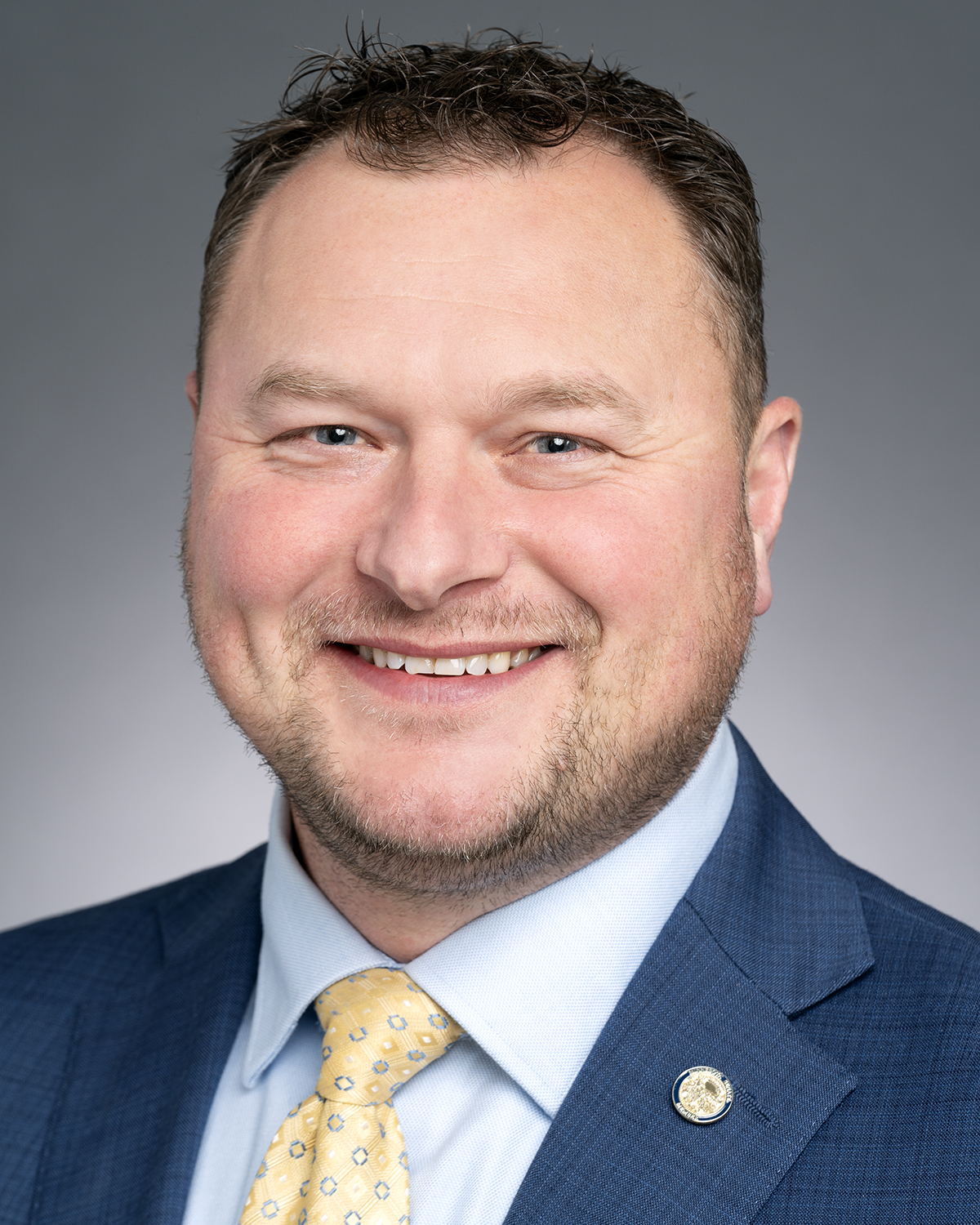
Sen. Andrew Lang
Sponsored bills
Maddy summarySF 217 appropriates $25 million from the general fund for Minnesota's Small Cities Assistance Account, specifically for fiscal year 2026. The funds will be distributed to qualifying small cities in July 2025 to support local transportation infrastructure projects, as outlined in Minnesota Statutes section 162.145. This is a one-time allocation, not a new program, and directly affects small cities meeting eligibility criteria under existing law. The bill does not change current rules but provides specific funding for infrastructure needs in smaller communities.
Maddy summarySF 73 redirects fees collected from vehicle registration, driver services, and special plate applications directly to the highway user tax distribution fund, replacing the current "driver and vehicle services operating account." This change affects all Minnesota drivers who pay vehicle registration fees, as these funds will now support highway maintenance instead of the repealed account. The bill amends multiple transportation statutes to implement this funding realignment, including provisions for leased vehicle extensions, disability plates, and collector plates. It eliminates the existing operating account while ensuring all relevant fees flow to the highway fund.
Maddy summaryThis bill modifies how sales tax revenues from vehicle repair and replacement parts are distributed. Beginning in 2024, 43.5% of these tax proceeds (increasing to 71.5% by 2030) will go to the highway user tax distribution fund for road maintenance, while a growing percentage (starting at 3.5%, rising to 56.5%) will fund the transportation advancement account. The remaining portion flows to the general fund. It directly affects the allocation of tax money collected from customers purchasing car repair parts, tires, and fluids at auto shops. The change applies to sales taxes collected under Minnesota Statutes §297A.62, subdivision 1.
Maddy summaryThis bill appropriates $14.5 million for a State Patrol helicopter purchase, $2.3 million for a Cirrus airplane, and $3.4 million total for pilot staffing (split across fiscal years 2026-2027) from the trunk highway fund. These funds are designated solely for Minnesota State Patrol aircraft acquisitions and operational costs. The appropriations are one-time for the aircraft purchases and annual for pilot expenses, with all funds required to be spent by June 30, 2027. The bill directly affects the State Patrol's aviation capabilities and budget.
Maddy summaryThis bill prohibits the governor from including highway funds (from the trunk highway fund or highway user tax distribution fund) in the state budget for nonhighway purposes, such as non-transportation projects. It directly affects state agencies and the governor's budget office, requiring them to comply with constitutional limits on highway fund usage. Key provisions mandate a joint report from the commissioner of management and budget and the attorney general within 45 days of budget submission, examining all highway fund appropriations, explaining their highway purpose, and recommending proper funding if nonhighway uses are identified. The law ensures highway funds are used solely for highway construction, improvement, or maintenance as required by Minnesota law.
Maddy summaryThis bill (SF 174) changes the appointment process for the director of Minnesota's Division of Driver and Vehicle Services. It requires the Senate's "advice and consent" (approval) for the commissioner to appoint this director, replacing the current process where the commissioner could appoint without Senate input. The bill directly affects the director position within the Department of Public Safety's driver services division. This is a procedural change to the appointment authority, not a substantive policy shift in driver services operations.
Maddy summaryThis bill allows Minnesota driver's license and ID card applicants to declare their citizenship or immigration status without proving it to the state. It creates "noncompliant" licenses (not meeting federal REAL ID standards) that must be marked "not for federal identification," "not for voting," and "not for benefits." These licenses cannot be used for federal purposes or state benefits, and applicants who don't demonstrate U.S. citizenship or lawful presence can still obtain them. The bill directly affects noncitizen residents applying for licenses in Minnesota who cannot or choose not to provide federal immigration documentation.
Maddy summarySF 231 prohibits using dedicated transportation funds - specifically the highway user tax distribution fund and trunk highway fund - for arts or cultural strategies in transportation project planning, design, or construction. The bill amends Minnesota Statutes by adding a new restriction (item 18) to existing prohibitions on fund usage. This directly affects state transportation projects funded through these dedicated sources, banning expenses like public art installations, cultural-themed designs, or cultural programming within such projects. The policy change ensures these specific funds are restricted to core transportation infrastructure needs, not artistic or cultural elements.
Maddy summarySF 252 requires local governments and transportation agencies to conduct a detailed cost-benefit analysis before selecting a transit guideway project. The analysis must compare the proposed guideway with alternatives like bus rapid transit, regular bus service, and road capacity expansion, including specific metrics such as ridership, vehicle traffic changes, maintenance costs, economic benefits, and environmental impacts. It applies to projects seeking state or federal funding in Anoka, Carver, Dakota, Hennepin, Ramsey, Scott, and Washington counties, excluding the Gold Line project. The findings must be publicly posted and submitted to state officials for transparency. This law aims to ensure decisions are based on comprehensive data about project costs, benefits, and alternatives.