

Maddy summarySF 1543 appropriates $500,000 from the workforce development fund to fund the Minnesota Virtual Academy's career pathways program in partnership with Operating Engineers Local 49, specifically for Independent School District No. 294 in Houston. The program provides up to five semesters of courses leading to eligibility for the Operating Engineers Local 49 apprenticeship program, with additional academic and counseling support from participating school districts. The bill requires targeted outreach to students of color, Indigenous students, low-income students, and other underserved groups throughout Minnesota. It mandates annual reports detailing program participation, spending, demographics, and recommendations for statewide program improvement, with funds available until June 30, 2027.
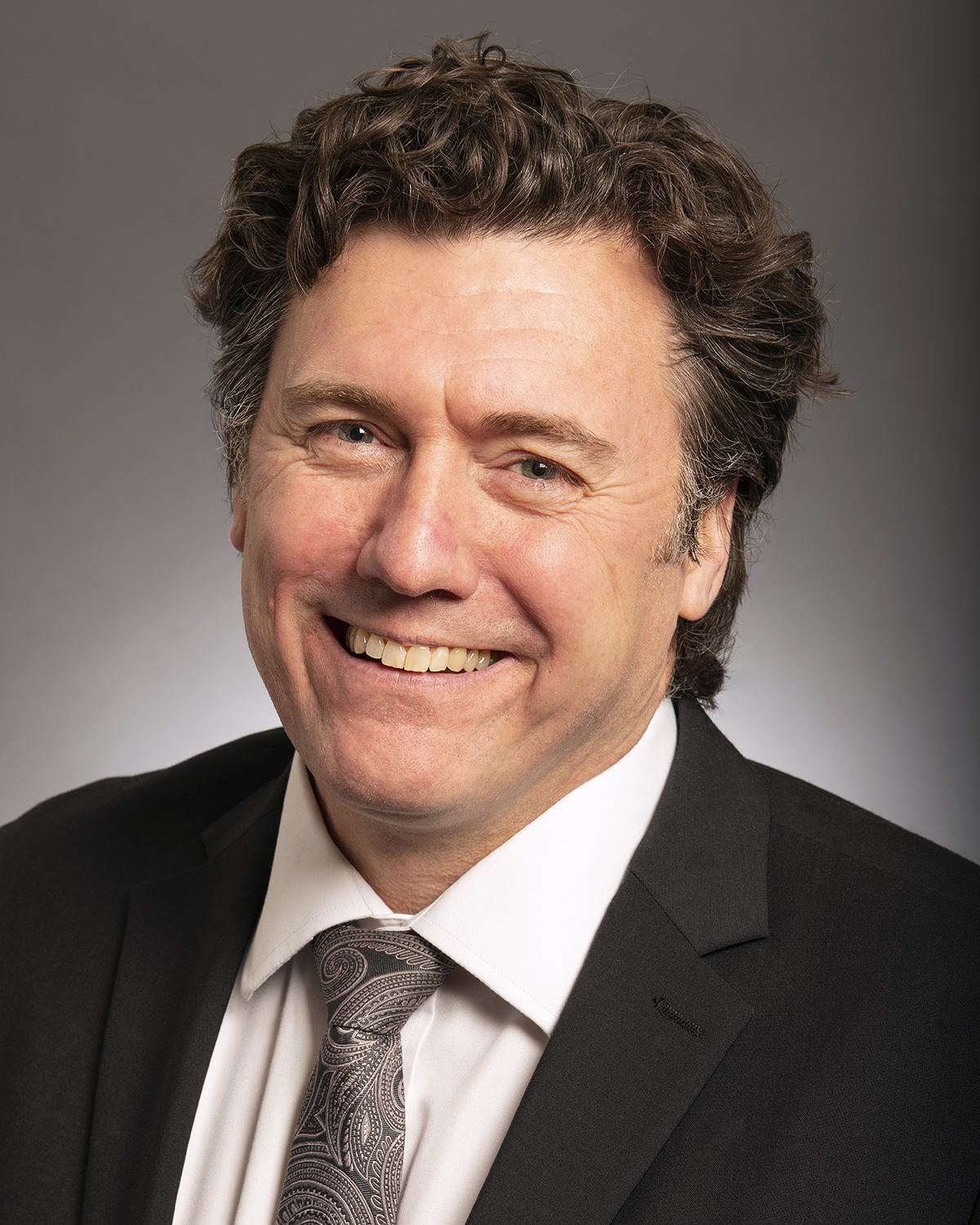
Sen. Aric Putnam
Sponsored bills
Maddy summaryMinnesota Senate File 1449 amends the state's cannabis microbusiness loan program to increase the maximum state contribution from $50,000 to $75,000 (or $150,000 to $200,000 with matching private investment). It allows nonprofit lenders to retain loan interest payments and origination fees to cover their operational costs, requires them to report average interest rates biannually, and shortens the commissioner's loan approval timeline to 30 days. The bill directly affects cannabis microbusinesses - especially those owned by social equity applicants in qualifying communities - and nonprofit lenders administering the program. Key changes streamline funding access, provide lenders flexibility for expenses, and mandate transparency through public interest rate reporting.
Maddy summaryThis bill appropriates specific annual funding from the general fund to support statewide affordable housing programs. It allocates $6.8 million yearly to counties, $2 million to tier I cities, and $1.2 million to eligible Tribal Nations, with additional funding for fiscal years 2024-2025 ($8.5M, $2.5M, $1.5M) and 2026-2027 ($17M, $5M, $3M). The funds are designated for housing assistance payments to eligible recipients through the commissioner of revenue. Additionally, it requires a transfer to the Minnesota Housing Finance Agency to increase a specific housing account to $2.25 million. The funding applies to housing aid payments for 2025 and 2026.
Maddy summaryHF 1443 increases the maximum bonded indebtedness limit for the State Armory Building Commission from $15 million to $45 million under Minnesota Statutes section 193.143. This bill directly affects the State Armory Building Commission, which manages military armory construction and maintenance projects across Minnesota. The key provision amends the statutory limit on bonds the commission can issue to fund armory-related costs, including construction, equipment, and upkeep. This change allows the commission to borrow more funds for these projects without requiring additional legislative approval for each financing step. The bill does not alter the commission's responsibilities or create new programs, only adjusting its borrowing capacity.
Maddy summaryThis bill clarifies who qualifies as a "handler" for restricted pesticides in Minnesota. It adds a definition specifying that a "handler" must meet federal requirements and work under a licensed applicator's supervision during preapplication mixing and loading activities. The bill modifies license requirements to explicitly state that handlers can perform these specific tasks only when supervised, while still requiring all restricted pesticide users to hold proper licenses. This directly affects pesticide handlers and licensed applicators who oversee mixing and loading operations. The changes align Minnesota's rules with federal standards (40 CFR § 171.201) for these activities.
Maddy summarySF 2860 allows the city of St. Cloud to establish up to two redevelopment districts in specific areas near Division Street or within its Central Business District. It directly affects property owners in the listed tax parcels (identified by tax ID numbers in Stearns and Benton counties) by enabling the city to use future tax increases from these properties to fund public infrastructure like streets, parking, and utilities. The bill bypasses standard state requirements for tax increment financing and permits these funds to be used exclusively for projects serving the redevelopment areas. This authority expires on December 31, 2031.
Maddy summarySF 1559 appropriates specific funding for Minnesota's farm-to-school and early care programs in fiscal years 2026 and 2027. It provides money for schools and child care providers participating in federal food programs (like the National School Lunch Program) to purchase local agricultural products, including fruits, vegetables, meat, and dairy. The bill also allocates $150,000 annually for a statewide coordinator to support farmers and institutions, and allows matching state funds to federal cooperative agreements for purchasing Minnesota-grown food. This directly affects schools, early childhood providers, and local farmers participating in eligible food programs.
Maddy summarySF 2862 modifies Minnesota's allocation system for public facility bonds, increasing the annual funding pool for public facility projects from $12.75 million to $61.78 million. It also adjusts housing program allocations to reserve 31% of funds for single-family housing (up from 27%) and extends the deadline for issuers to permanently issue bonds from 120 to 180 days. The bill revises application procedures, requiring a 2% deposit for most projects and establishing a new schedule for allocating funds every other Monday from July through November. These changes directly affect local governments, housing authorities, and public facility developers seeking bond financing under Minnesota's public facility bond program.
Maddy summaryThis bill increases the spending cap for charitable gambling organizations on designated community purposes in Minnesota. It directly affects nonprofits and organizations that operate charitable gambling events (like bingo or raffles), allowing them to spend more of their revenue on approved causes. The key change modifies Minnesota Statutes §349.12, subdivision 25, raising the maximum allowable expenditure limit for activities such as supporting seniors, veterans, arts programs, or community facilities. The bill specifies that these increased expenditures must still align with the existing list of permitted uses defined in the statute. This is a straightforward policy adjustment to the financial limits for charitable gambling funds.
Maddy summarySF 2859 establishes Minnesota's statewide "Keep it Clean" program to prevent water pollution from garbage and human waste left on ice during winter recreational activities on state waters. The program, administered by the commissioner of natural resources, provides grants to local governments and nonprofits for specific initiatives like installing winterized dumping stations near lakes, providing biowaste disposal services, increasing winter enforcement patrols, and funding spring cleanups. It appropriates funds from the general fund for fiscal year 2026, with at least a portion designated for these local grants. The bill directly affects communities managing lakes, winter recreation users, and local agencies implementing pollution prevention efforts.