

Maddy summarySF 3350 suspends the adoption of new social studies standards and delays the next review cycle for these standards until the 2030-2031 school year (previously scheduled for 2020-2021). It repeals requirements for schools to incorporate ethnic studies content into academic standards and cancels state funding allocated for ethnic studies programs. The bill directly affects Minnesota public schools, removing mandated curriculum elements related to ethnic studies and altering the timeline for social studies standards reviews. These changes modify existing statutes governing academic standards and funding, with no new requirements added.
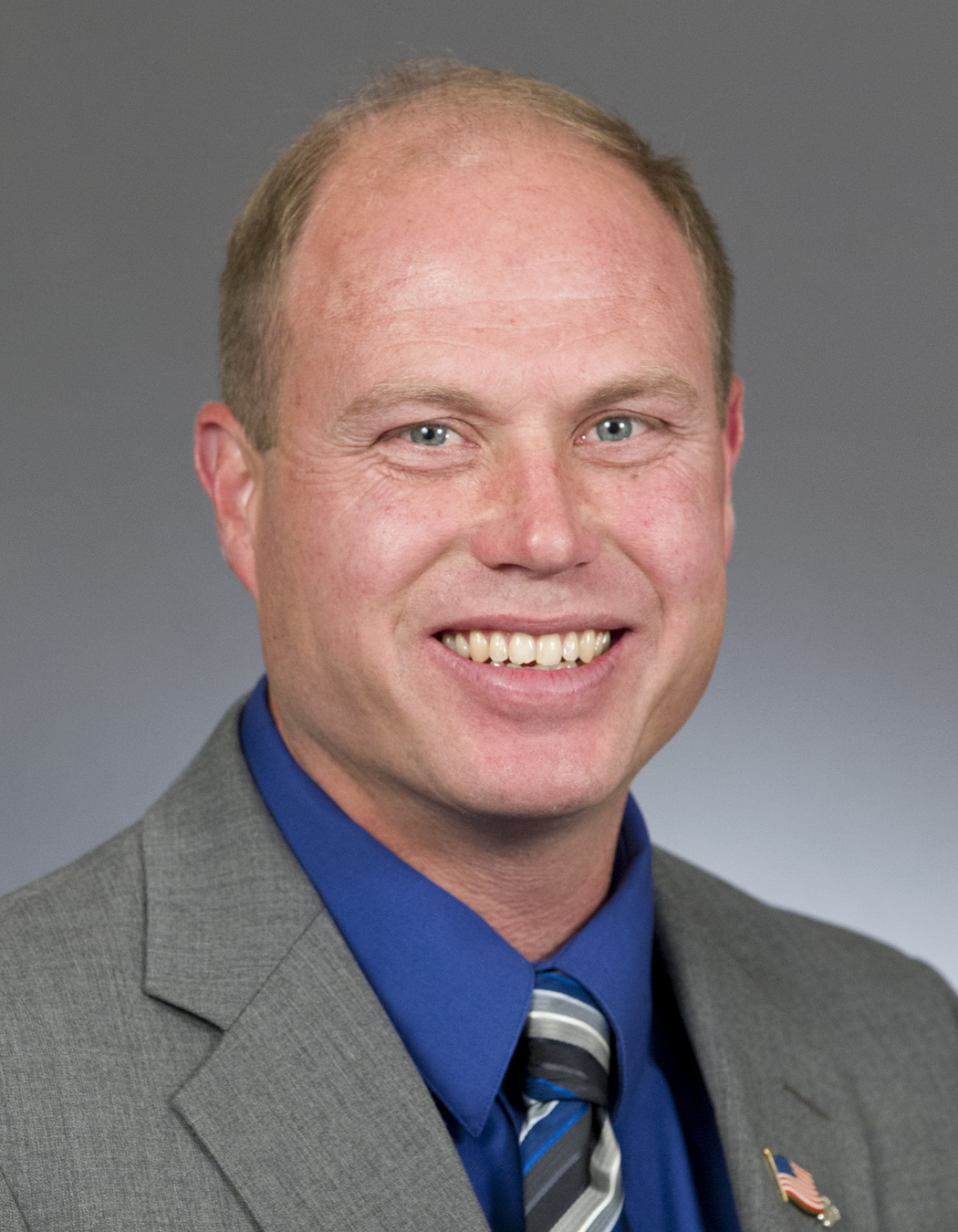
Sen. Jason Rarick
Sponsored bills
Maddy summaryThis bill exempts property owned and operated by congressionally chartered veterans service organizations from Minnesota's property tax classification rates. It establishes a specific tax exemption for qualifying property under existing law, removing the standard 1.25% classification rate applied to similar properties. The exemption requires the commissioner of veterans affairs to provide an annual list of eligible organizations to the commissioner of revenue by January 1. The change takes effect for property assessments beginning in 2026.
Maddy summaryThis bill creates targeted unemployment benefits for workers laid off from the iron ore mining industry or related explosive manufacturing during March 15-June 15, 2025, due to significant workforce reductions (50%+ layoffs). Eligible workers must have exhausted regular unemployment benefits and meet standard eligibility requirements, receiving up to 26 weeks of additional benefits at their prior weekly rate. The bill also establishes standards for storing reactive mine waste to prevent water quality impacts, defining "reactive mine waste" as material causing sustained pH decreases in contact water. It is effective retroactively from March 15, 2025.
Maddy summaryThis bill creates temporary additional unemployment benefits for workers laid off after May 19, 2025, due to job losses in the iron ore mining industry or from companies supplying goods/services to that industry. Eligible workers must have exhausted their regular unemployment benefits from a mining-related job and meet standard eligibility requirements. The program provides up to 26 weeks of additional payments at the same weekly rate as their regular unemployment benefits. These benefits are funded from Minnesota's unemployment trust fund and do not affect employer tax rates for most employers (except mining employers). The program ends May 30, 2026.
Maddy summarySF 1050 would create a state grant program to fund multi-day outdoor educational experiences for Minnesota students in grades 4-8. The program would provide funding to accredited outdoor schools and nonprofit learning centers meeting specific criteria, including connecting to school curriculum, developing skills like leadership and critical thinking, and ensuring equitable access for underserved students (including those with disabilities). Grants would support immersive, nature-based learning that integrates academic standards and addresses barriers to outdoor access based on race, income, or zip code. Funding would come from state general funds for fiscal years 2026 and 2027.
Maddy summarySF 2819 establishes Minnesota's first state-defined standards for "green burials," requiring bodies to be unembalmed or use only nontoxic embalming, placed in biodegradable containers without burial vaults, and handled with universal precautions. It mandates refrigeration or dry ice storage for unembalmed bodies (max 6 days refrigerated, 4 days dry ice) and sets strict location rules for green burial plots, including 50-foot setbacks from property lines and water sources. The bill also increases the percentage of cemetery lot sale proceeds (from 20% to 25%) and mausoleum burial space proceeds (10%) dedicated to permanent care funds. These requirements apply to all cemeteries, funeral facilities, and public cemeteries offering green burial options.
Maddy summarySF 3052 appropriates $3 million for fiscal year 2026 and $3 million for fiscal year 2027 from the general fund to provide grants to Minnesota Independence College and Community. The funds will support need-based student scholarships, tuition reductions, institutional support, and program expansion for resident students enrolled at the college. Eligibility is restricted to students meeting Minnesota's definition of residency under state law. The appropriation is directed through the Office of Higher Education to the college for these specific educational purposes.
Maddy summaryThis bill modifies Minnesota's rules around "recess detention" (excluding students from scheduled recess as punishment). It prohibits schools from withholding recess except in limited cases: when a student causes serious harm, with parental consent, or for students with special education plans where an IEP team approves it. Schools must notify parents within 24 hours of using recess detention, collect annual data on its use (including student demographics), and cannot withhold recess for incomplete schoolwork unless academic support occurs during that time. The bill directly affects all Minnesota public school districts and charter schools.
Maddy summaryThis bill appropriates funds for compensation payments to Minnesota farmers and ranchers who suffer livestock losses or property damage from wolves or elk. Specifically, it allocates money for wolf-related livestock destruction (under Minn. Stat. § 3.737) and elk-related crop/fence damage (under Minn. Stat. § 3.7371) in fiscal years 2026-2027. The funding allows the Agriculture Commissioner to use up to $5,000 annually for university extension agent costs in valuing damaged livestock. If claims exceed expected levels, the Commissioner may shift funds between the wolf and elk programs to cover higher demand. The bill directly affects agricultural producers in areas with wolf and elk populations.
Maddy summarySF 2914 extends the deadline for using a 2023 grant to the Western Lake Superior Sanitary District for wastewater infrastructure. The bill amends previous law to allow the district to use funds allocated for designing, constructing, and rehabilitating four secondary clarifiers in its wastewater treatment system until December 31, 2029 - instead of the original 2023 deadline. This extension directly affects the district's project timeline for upgrading its wastewater treatment system. The bill makes no new policy changes but adjusts the timeframe for an existing appropriation.