

Maddy summaryHF 1163 clarifies how grant funds for Minnesota's hometown heroes assistance program must be used to support firefighters. The bill directs the Minnesota Firefighter Initiative to provide monetary support for firefighters diagnosed with critical illnesses (like cancer) after August 1, 2021, and to develop a mental health program offering up to five annual therapy sessions with peer support. It also requires annual training for all firefighters on occupational health risks (including cancer, heart disease, and emotional trauma), evidence-based suicide prevention, and wellness strategies. The program directly affects all Minnesota firefighters through these health support services and training.
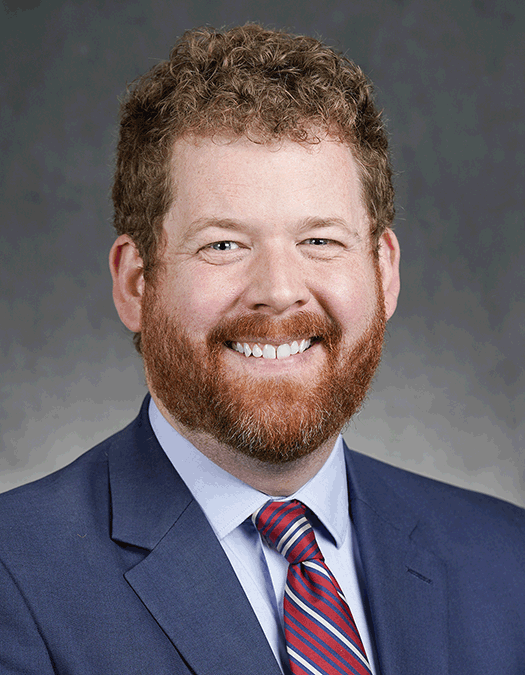
Rep. Zack Stephenson
Sponsored bills
Maddy summaryHF 1615 sets new safety rules for cannabis edibles in Minnesota. It limits THC to 5mg per serving for most edibles (10mg for beverages), bans child-appealing packaging (like cartoon designs or candy-like shapes), and requires clear labeling with serving size, cannabinoid content, and a "keep out of reach of children" warning. The bill directly affects cannabis businesses selling edibles and consumers purchasing them, while also creating specific rules for hemp-based "lower-potency" edibles sold as beverages or snacks. These provisions aim to reduce accessibility to children and improve product transparency.
Maddy summaryHF 1660 requires Minnesota's Commissioner of Children, Youth, and Families to conduct a statewide assessment of out-of-school youth programs for children and teens under 21. The commissioner must gather data on current programs, funding, and populations served, while engaging youth, families, and community providers to identify barriers and gaps. By February 2026, the commissioner must submit a report with findings and recommendations to legislative committees, including proposals to improve access and quality. The bill appropriates a one-time $ amount in fiscal year 2026 specifically for this assessment and reporting process.
Maddy summaryHF 1289 requires social media platforms operating in Minnesota to display a mental health warning label each time a user accesses the platform. The label must warn of potential negative mental health impacts, include resources like the 988 Suicide Lifeline, and remain visible until the user exits or acknowledges the warning. The bill also mandates that platforms show a pop-up timer notification every 30 minutes (customizable up to 60 minutes) tracking daily active usage time, which users must acknowledge before dismissing. These requirements apply to all covered social media platforms and take effect July 1, 2025. The law does not create private lawsuits but allows the attorney general to enforce it.
Maddy summaryHF 3270 proposes a constitutional amendment to establish an Independent Redistricting Commission that would draw Minnesota's legislative and congressional district lines instead of the legislature. It also creates a panel to review commission applicants, sets guidelines for redistricting, and prohibits former legislators from lobbying for one year after leaving office. The bill amends session rules to limit regular legislative sessions to 120 days and sets specific convening requirements. These changes would directly affect Minnesota voters through district boundaries, legislators through the lobbying restriction, and the redistricting process itself. The proposal requires voter approval to take effect.
Maddy summaryHF 1689 appropriates $900,000 from the general fund for capital improvements at the Magnus Veterans Wellness Clinic in Dayton, Minnesota. The funding covers design, construction, renovation, equipment, and energy efficiency upgrades to reconfigure space, replace HVAC/plumbing/electrical systems, and support ongoing operations. This one-time appropriation directly affects the clinic's physical infrastructure and the veterans who use its services. The bill does not create new programs or alter eligibility but provides specific funding for facility upgrades.
Maddy summaryHF 1278 establishes a one-time $30 million reproductive health equity grant fund to support abortion care access in Minnesota. The bill provides funding to abortion providers, government agencies, and nonprofits whose primary work involves abortion care, with grants designed to increase access, cover uncompensated care for low-income patients, secure facility infrastructure, and fund staff training in trauma-informed care. Eligible organizations must apply through the commissioner of health, who will prioritize applications based on local need, health equity impact, and applicant need. The fund becomes effective July 1, 2025, with grants to begin by January 1, 2026, and includes strict privacy protections requiring confidentiality of patient information.
Maddy summaryHF 2289 requires Minnesota hospitals to maintain registered nurse staffing levels consistent with nationally accepted standards, ensuring adequate care for patients. Hospitals must create and implement staffing plans specifying maximum patient-to-nurse ratios for each unit, developed with input from direct-care registered nurses, and report these levels to the state. The bill prohibits retaliation against nurses who raise staffing concerns and imposes civil penalties for noncompliance. It directly affects all licensed Minnesota hospitals, their nursing staff, and patients by mandating safer staffing practices. The law appropriates funding to support implementation of these requirements.
Maddy summaryHF 3190 would impose a 2% gross receipts tax on businesses providing specific professional services to other businesses within Minnesota. It directly affects companies offering services like legal, accounting, architectural, engineering, management consulting, and computer services to other trade or business entities. The tax applies to the total revenue from these business-to-business service sales, with businesses optionally collecting it from customers (if separately stated) or paying it directly to the state. Businesses that paid similar taxes to other states may claim a credit against this tax. The bill does not apply to services sold directly to end consumers or to personal services.
Maddy summaryHF 2702 allows candidates elected to Minnesota's state Senate or House of Representatives to resign before their term begins, creating an "expected vacancy" instead of leaving the seat permanently. If a resignation occurs, the governor must issue a special election writ within five days, requiring the election to be held within 35 days. The winner of the special election takes office at the start of the term or immediately if the legislature is already in session. This bill amends Minnesota election law and applies to candidates elected on or after November 3, 2026.