

Maddy summaryHF 1844 prohibits the state from approving inhaled cannabis products that contain added flavors like fruit, mint, chocolate, or vanilla. The bill amends Minnesota Statutes to ban such products from being sold in the state, directly affecting cannabis manufacturers and retailers who would market these flavored inhaled products. This policy change specifically targets the formulation of inhaled cannabis, requiring products to avoid common food flavors to receive approval. The regulation applies only to inhaled products, not edibles or other cannabis categories.
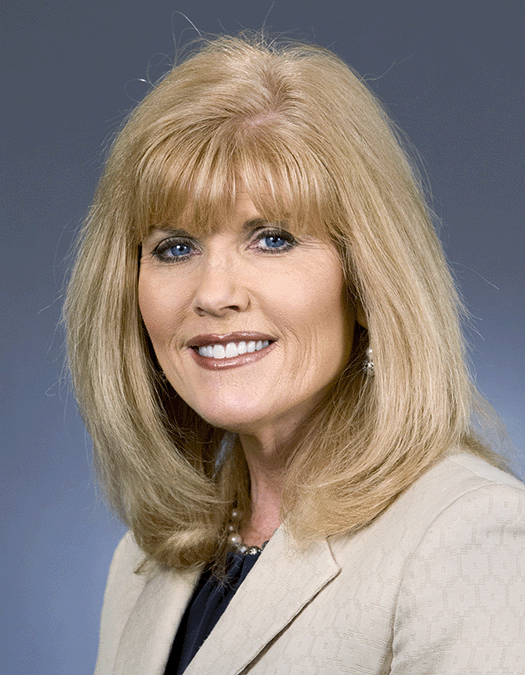
Rep. Peggy Scott
Sponsored bills
Maddy summaryHF 1590 establishes mandatory minimum prison sentences for individuals who maliciously punish children, specifically targeting cases involving severe physical injury. It affects parents, legal guardians, or caretakers who cause substantial or great bodily harm to children, with penalties increasing based on the child's age (under 4) and the injury's severity. For example, causing head/neck injuries to a child under 4 mandates at least one year in prison, while causing great bodily harm requires a minimum two-year sentence. The bill amends Minnesota Statute 609.377 and takes effect August 1, 2025.
Maddy summaryHF 749 establishes performance targets for Minnesota's Northstar Commuter Rail line, operated by the Metropolitan Council. It requires annual ridership of at least 900,000 passengers (measured June 1-May 31) or a farebox recovery ratio of 40% or higher starting in 2026. If these targets are not met, the bill mandates automatic termination: ending all service, closing stations, dissolving related agreements, and selling assets. The Metropolitan Council must seek federal waivers for termination obligations and deposit any resulting revenue into the state general fund. This law directly affects the rail line's operations and the entities managing it (Metropolitan Council and state transportation authorities).
Maddy summaryHF 1457 prohibits the construction of new public and charter schools within one-quarter mile of specific contaminated sites, including closed landfills listed by Minnesota's Pollution Control Agency or identified dump sites from historical records. The bill directly affects school districts and developers planning new educational facilities by requiring them to avoid these locations. Key provisions define "closed landfill" as sites on the Pollution Control Agency's contamination list and "dump site" as unpermitted waste disposal areas documented in a 2001 study or identified by county officials. The law takes effect July 1, 2025, aiming to prevent new schools from being built on potentially hazardous land.
Maddy summaryHF 753 allows licensed veterans organizations in Minnesota to use gross profits from lawful gambling for repairing, maintaining, or improving their buildings. Specifically, it amends Minnesota law to permit these organizations to cover costs like water, fuel, electricity, and sewer expenses for their primary headquarters buildings. This change directly affects veterans groups operating legal gambling activities under state licensing. The policy expands their allowable uses of gambling revenue beyond previous restrictions, focusing on facility upkeep rather than other community programs.
Maddy summaryHF 435 requires the Minnesota Commissioner of Corrections to house only biological female inmates at the Minnesota Correctional Facility-Shakopee. It amends statute 243.90 to establish the facility exclusively for biological females committed by courts. Existing inmates who are not biological females must be transferred to another facility within seven days of the bill's enactment. This requirement expires on January 1, 2026. The bill directly affects inmates housed at Shakopee and the commissioner's facility assignment decisions.
Maddy summaryHF 514 amends Minnesota Statutes section 121A.425 to modify dismissal limitations for kindergarten through grade 3 students. The current law prohibits disciplinary dismissals for these students, with exceptions for short-term dismissals (less than one school day) for students receiving special education services and for expulsions only after exhausting other resources in cases of serious safety threats. This bill adjusts those limitations, but the specific policy changes are not detailed in the provided bill text. The amendment directly affects public school students in grades K-3 and their schools, altering how disciplinary actions may be applied.
Maddy summaryHF 540 requires Minnesota's Commissioner of Administration to submit a report by February 15, 2026, detailing all state-owned or leased office space and identifying substantially vacant properties. The report must assess the feasibility of converting vacant space into housing, estimate conversion costs, and analyze potential revenue from renting or selling repurposed properties. This report will be provided to specific legislative committees overseeing the Department of Administration's budget. The bill does not change existing laws but mandates a study to evaluate underutilized state assets. (HF 540, Section 1)
Maddy summaryHF 396 requires Minnesota school districts to obtain written parental consent before providing sexual education to minor students. It updates existing rules by mandating that schools establish clear procedures for parents, guardians, or adult students (18+) to review all instructional materials - including sexual education content - and request alternative instruction if they object. Schools must provide this review process without penalizing students who arrange alternatives, though they are not required to cover costs for parent-provided alternatives. This bill directly affects public school students, parents/guardians, and school districts in Minnesota.
Maddy summaryHF 946 allows approved third-party programs (such as driving schools) to conduct the behind-the-wheel road test for class D driver's licenses (standard driver's licenses) in Minnesota. It establishes requirements for these programs and testers, mandates regular audits of third-party programs, and permits applicants to appeal decisions made by the Commissioner of Public Safety. The bill also updates website rules to show real-time appointment availability, display next available dates/times by location, and allow address-based searches without requiring personal information. This directly affects driver's license applicants and third-party testing programs seeking to administer road tests.