

Maddy summarySenate Bill 963 creates the Language Assistance for Elections Act to require Michigan local governments to provide election materials in languages other than English for residents with limited English proficiency. The law mandates that counties, cities, and townships must offer translated ballots, voting instructions, and signage if their population includes a specific number of voters who share a single non-English language. The Secretary of State will publish a list of affected jurisdictions and languages annually, while also providing certified translations and electronic voting systems to ensure accuracy. Local governments will be reimbursed for additional costs associated with implementing these translation and testing requirements.
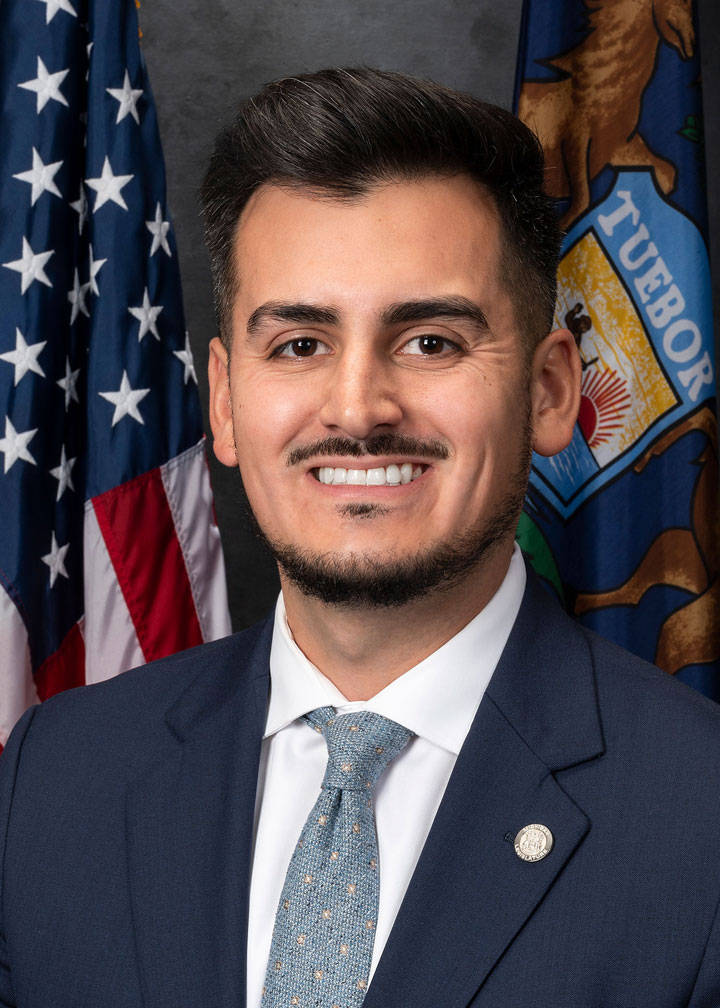
Sen. Darrin Camilleri
Sponsored bills
Maddy summaryThis bill allows Michigan school districts to hire non-certified teachers for specific subjects like computer science, engineering, and career and technical education, provided the hires meet strict qualifications such as holding a bachelor's degree with a major in the subject area and having relevant work experience. While districts must prioritize hiring fully certified teachers when possible, the legislation creates an exception for CTE programs, permitting non-certified instructors with industry expertise to work in those roles for up to 20 years with potential extensions. Additionally, the bill streamlines the path to certification for these temporary hires by waiving the student teaching requirement if they complete three years of successful classroom instruction.
Maddy summaryThis bill establishes Michigan as a participant in the Respiratory Care Interstate Compact, a formal agreement designed to allow licensed respiratory therapists to practice in other member states. By joining this compact, the state aims to improve patient access to care, support military families, and address workforce shortages by creating a streamlined pathway for professionals to work across state lines. The legislation creates a commission to oversee the agreement and includes specific definitions and rules for how out-of-state therapists can legally provide services within Michigan.
Maddy summaryThis bill requires health insurance companies in Michigan to cover insulin and specific diabetes-related devices without charging patients any cost-sharing fees. The law explicitly removes deductibles, copayments, coinsurance, and other out-of-pocket expenses for these items, ensuring they are fully paid by the insurer. It applies to all policies that are delivered, issued, or renewed within the state, directly affecting both insurance providers and insured individuals with diabetes. The provision covers essential supplies such as blood glucose test strips, glucometers, lancets, and insulin syringes alongside insulin itself.
Maddy summaryThis bill requires health insurance companies in Michigan to cover prescription inhalers for asthma and other serious breathing conditions without charging the patient. It specifically prohibits insurers from denying or limiting coverage based on how often a patient needs to refill their inhaler, as long as a doctor has prescribed the medication. The law defines covered devices to include metered-dose inhalers, nebulizers, and dry powder inhalers, while excluding over-the-counter temporary relief products. By mandating that these prescriptions be provided at no cost to the insured, the legislation ensures immediate access to necessary life-saving medication for those with life-threatening bronchial ailments.
Maddy summaryThis bill requires health insurance companies in Michigan that cover prescription drugs to also provide epinephrine at no cost to the insured. The law applies to insurers delivering, issuing, or renewing health policies within the state and mandates that they include this specific medication without charging the patient. By adding a new section to the state's insurance code, the measure ensures immediate coverage for emergency allergy medication as part of existing drug benefits.
Maddy summaryThis Senate resolution officially designates June 2026 as Lesbian, Gay, Bisexual, Transgender, Queer+ Pride Month in Michigan. The measure serves as a symbolic recognition of the LGBTQ+ community's history, contributions, and ongoing fight for equality rather than enacting new laws or policies. By adopting this resolution, the state legislature acknowledges the cultural and civic value of the community and aligns with national traditions of celebrating Pride Month.
Maddy summarySenate Bill 991 amends Michigan's Consumer Protection Act to prohibit businesses from using certain algorithms and protected class data to set prices. This law directly affects companies that sell goods or services by banning the practice of adjusting prices based on factors like race, age, or other personal characteristics. The bill adds a new section to the statute to explicitly make this pricing behavior unlawful, ensuring that consumers are not charged different amounts for the same items based on their personal data.
Maddy summaryThis bill allows Michigan cities, villages, and townships to vote on whether to impose a 3% excise tax on short-term rentals of accommodations to guests staying fewer than 30 days. If approved by local voters, the tax would be collected by either the property owner or online booking platforms and administered by the state Department of Treasury. The law requires local governments to publicly report how much tax revenue they collect and how they spend it, while also establishing a process for the state to withhold funds if a locality fails to submit these reports.
Maddy summaryThis bill prohibits gas stations in Michigan from using dynamic pricing systems that automatically adjust fuel prices based on factors like time of day, weather, or customer data. It directly affects roadside retail locations selling motor fuel by banning algorithms that change prices outside of normal business hours or based on individual consumer characteristics. The legislation also requires businesses to keep records of any price changes for at least 12 months and defines specific rules for how fuel prices must be advertised. Violations of the dynamic pricing ban would be treated as offenses under the state's consumer protection laws. The bill will only take effect if a companion bill, SB 993, is also passed into law.