

Maddy summarySenate Resolution 145 is a non-binding measure that formally recognizes the historic, cultural, and religious significance of Diwali. The resolution highlights how the festival is celebrated by Hindus, Sikhs, and Jains in Michigan and around the world, noting its themes of light triumphing over darkness and community togetherness. It expresses the Senate's respect for those who observe the holiday and aligns its message of tolerance with American ideals. Because this is a commemorative resolution rather than a law, it does not create new legal requirements or change existing policies.
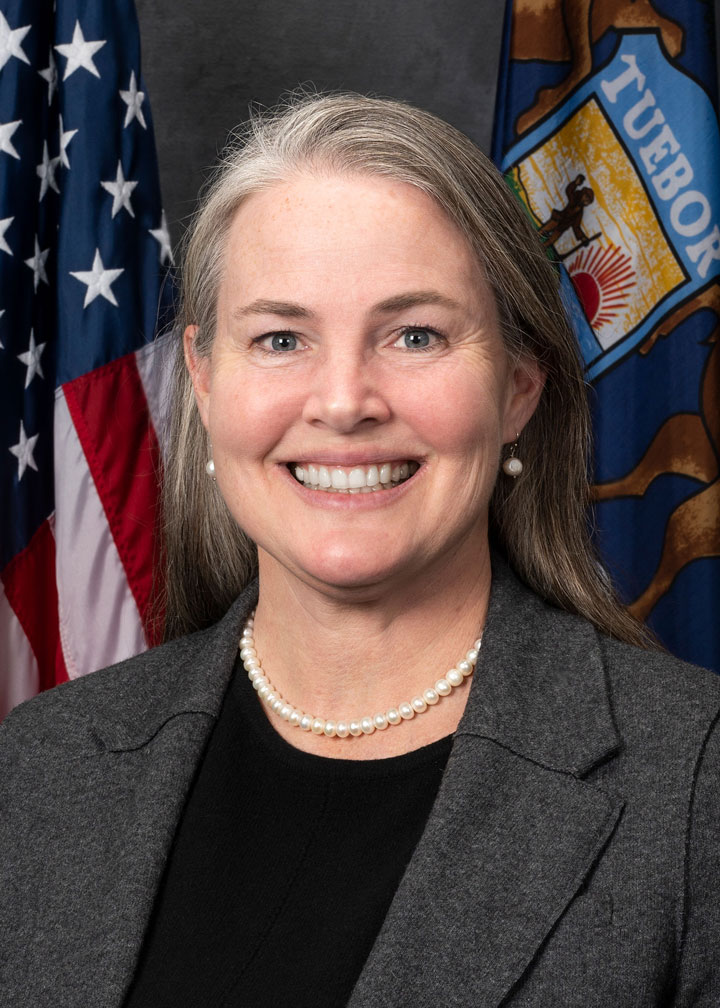
Sen. Sue Shink
Sponsored bills
Maddy summaryThis bill establishes a legal framework for Michigan cities, townships, and counties to create stormwater management utilities and charge fees to property owners. To implement these fees, local governments must first develop a five-year management plan that details how fees will be calculated and includes a public hearing for community input. The law also outlines how property owners can request fee reductions or appeal their charges if they disagree with the amount assessed. Ultimately, the legislation provides the authority and procedural steps for local units of government to fund stormwater infrastructure through a dedicated utility system.
Maddy summaryThis bill updates Michigan's education savings program to align its tax rules with the most recent federal changes. It directly affects individuals and organizations who contribute to or withdraw funds from these state-approved savings accounts for higher education. The key provision expands what counts as a qualified expense to include costs for registered apprenticeships and interest payments on qualified education loans. Additionally, the bill clarifies that withdrawals used for these new purposes, as well as existing ones like scholarships or service academy attendance, remain free from state income tax penalties.
Maddy summaryThis bill updates Michigan's existing port authority laws to clarify definitions and expand the operational powers of these agencies. It specifically allows port authorities to enter into a wider variety of financial agreements, such as lines of credit and insurance contracts, to manage their funding. The legislation also grants authorities the ability to pledge the full faith and credit of their cities or counties to secure debt for projects and permits them to operate leased facilities if a tenant defaults. These changes directly affect local governments and port authorities by providing them with more flexible tools to finance and manage maritime infrastructure and related commercial facilities.
Maddy summarySB 1000 updates the definitions used in Michigan's ABLE program, which helps individuals with disabilities save money for expenses like housing and education. The bill specifically clarifies how the state interprets federal tax laws by setting the reference date for the Internal Revenue Code to January 1, 2024, or allowing taxpayers to choose the current year's version. This change ensures that the program's rules align with the most recent federal guidelines regarding who qualifies for the account and what expenses are covered. As a result, residents of Michigan and other states with similar programs can continue to use their savings accounts without confusion over outdated tax definitions.
Maddy summaryThis bill creates a new state program to provide financial assistance to businesses that lose revenue due to unexpected street closures or road construction projects that run significantly longer than planned. To qualify for a grant, a business must prove a significant drop in profits over the previous three tax years, with each award capped at $15,000 per year. The Department of Transportation will manage the program, reviewing applications based on factors like the severity of traffic disruption and lack of pedestrian access, and must report annually on how funds are used. Money for these grants comes from a newly created fund in the state treasury, which can be funded by various sources and must be invested by the state treasurer.
Maddy summaryThis bill establishes the Pet Cemetery Regulation Act to create a legal framework for operating pet cemeteries and crematoriums in Michigan. It requires operators to file land dedications that permanently restrict property use for pet burial or entombment and mandates the creation of an endowed care fund, which must be funded by at least 15% of individual burial fees to ensure long-term site maintenance. The legislation also defines specific terms for various burial methods and sets a minimum size requirement of three acres for new pet cemeteries, while outlining procedures for reclaiming land if owners fail to pay required fees.
Maddy summaryThis bill amends Michigan's school code to require the state department to approve specific screening and diagnostic reading assessments for use in public schools and public school academies. The legislation mandates that these approved tools must evaluate students' progress toward reading proficiency while minimizing disruption to instructional time. Additionally, the bill outlines requirements for district-identified literacy coaches to support teachers in implementing evidence-based reading instruction and addressing reading deficiencies. These changes directly affect school districts, public school academies, teachers, and students by standardizing early literacy screening and enhancing professional support for reading instruction.
Maddy summaryThis bill requires Michigan teacher preparation programs to include specific instruction on dyslexia and the science of reading by September 2027. To maintain approval, these programs must teach candidates about the characteristics of dyslexia, its secondary consequences, instructional adjustments, and methods for using multi-tiered systems of support. Programs preparing educators for reading, language arts, or special education roles must also cover evidence-based interventions grounded in structured literacy. The law includes a waiver process for programs not focused on these areas, which must be reviewed every two years, and it only takes effect if a companion bill is passed.
Maddy summaryThis bill expands Michigan's existing breastfeeding protections to explicitly include the expression of human milk, such as pumping breast milk in public spaces. It prohibits businesses and public service providers from denying access or displaying signs that discourage individuals from breastfeeding or expressing milk. The law applies to any place of public accommodation or public service, ensuring that these activities are treated with the same non-discriminatory standards as actual breastfeeding.