

Maddy summarySB 1089 prohibits insurance companies in Michigan from conducting post-claim underwriting, which means insurers cannot investigate a policyholder's risk or deny a claim based on information discovered after the policy was issued. This change directly affects consumers by preventing insurers from using facts learned during a claims investigation to retroactively justify denying coverage. The bill amends existing unfair practices laws to explicitly ban this specific behavior, ensuring that underwriting decisions are made only before a policy is issued or renewed. Additionally, the legislation requires insurers to maintain detailed records of customer complaints and mandates that agents forward written complaints to their companies promptly.
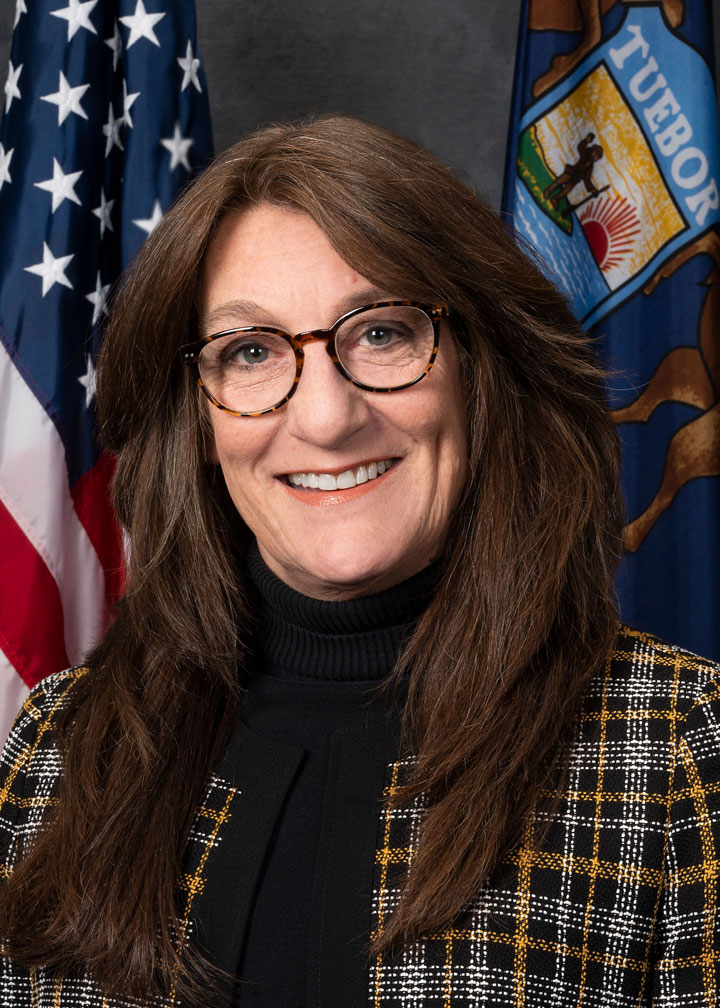
Sen. Veronica Klinefelt
Sponsored bills
Maddy summaryThis bill requires doctors, hospitals, and other healthcare providers to follow appeals decisions made by the state regarding insurance coverage disputes. It mandates that these providers submit necessary records to insurers and must comply with any rulings issued by the department of insurance after an appeal process. Additionally, the bill gives insurers the authority to request written explanations for treatments that exceed standard medical norms and establishes specific rules for reviewing the quality and necessity of care. If an insurer determines that care was inappropriate or overutilized, the provider can appeal that decision to the state department, which must then issue a binding decision.
Maddy summarySB 1087 increases the maximum civil fines that state officials can impose on insurance companies and other entities for violating Michigan's insurance code. The bill raises penalties for insurers from $50,000 to $100,000 per violation and for non-insurers from $1,000 to $5,000 per violation, while also adjusting the total caps on fines for repeat or intentional offenses. These changes apply to violations such as failing to file required documents correctly or engaging in unfair or deceptive business practices. The legislation ensures that any fines collected are turned over to the state treasurer and credited to the general fund.
Maddy summaryThis bill increases the financial penalties for insurance companies that fail to pay valid claims on time. It directly affects insurance providers, policyholders, and third-party claimants by requiring them to pay 12% annual interest on benefits delayed beyond specific deadlines. The legislation establishes new rules for when interest begins to accrue, such as starting 60 days after an insurer receives proof of loss, and sets tiered interest rates based on how late a payment is. Additionally, it outlines specific timelines for health plans to process and pay claims to medical providers, including requirements to notify providers of claim defects within 30 days.
Maddy summarySenate Resolution 145 is a non-binding measure that formally recognizes the historic, cultural, and religious significance of Diwali. The resolution highlights how the festival is celebrated by Hindus, Sikhs, and Jains in Michigan and around the world, noting its themes of light triumphing over darkness and community togetherness. It expresses the Senate's respect for those who observe the holiday and aligns its message of tolerance with American ideals. Because this is a commemorative resolution rather than a law, it does not create new legal requirements or change existing policies.
Maddy summaryThis bill, known as the Roadside Renewable Energy Act, allows the state Department of Transportation and local governments to use land owned by them along highways for renewable energy projects, energy storage, and electrical transmission lines. It authorizes these agencies to evaluate such land, coordinate with other state departments, and use federal funds to acquire or lease property for these purposes. The law also permits private companies to build these facilities on government land, provided they agree to remove the equipment at their own cost if transportation needs require it. Additionally, the bill gives local governments like counties, cities, and villages similar authority to develop energy projects on their own roadside property while complying with applicable laws.
Maddy summaryThis bill modifies Michigan's penal code to explicitly allow certain types of social gambling among friends and acquaintances. It creates a legal exemption for games where no more than 100 people participate, each wager is limited to $25, and the event is not held in a commercial gambling venue or promoted by a business. The law requires that the organizer must be a participant who has no special advantage, and all money wagered must be returned as prizes to the players. By adding these specific conditions, the legislation clarifies that such private social wagers are not considered illegal gambling under state law.
Maddy summaryThis bill establishes a legal framework for Michigan cities, townships, and counties to create stormwater management utilities and charge fees to property owners. To implement these fees, local governments must first develop a five-year management plan that details how fees will be calculated and includes a public hearing for community input. The law also outlines how property owners can request fee reductions or appeal their charges if they disagree with the amount assessed. Ultimately, the legislation provides the authority and procedural steps for local units of government to fund stormwater infrastructure through a dedicated utility system.
Maddy summaryThis bill amends Michigan's vehicle code to formally define "vulnerable roadway user" for traffic safety purposes. It explicitly includes pedestrians, people using nonmotorized devices like roller skates, scooters, and skateboards, as well as individuals in wheelchairs or riding horses. The law only takes effect if three other related bills are also passed, ensuring a coordinated update to traffic regulations.
Maddy summaryThis bill updates Michigan's vehicle code to strengthen penalties for drivers who cause physical injury or death to vulnerable roadway users, such as pedestrians and cyclists. It directly affects drivers by establishing stricter rules for license suspension and denial when serious accidents occur due to moving violations. The key mechanism involves automatically revoking or denying driver licenses for individuals convicted of specific severe offenses, including negligent homicide or manslaughter involving a vehicle. Additionally, the bill tightens restrictions on issuing licenses to non-residents and those with prior criminal records related to traffic safety. These changes aim to enhance accountability for dangerous driving behaviors that harm people on the road.