

Maddy summaryThis bill officially designates a specific stretch of M-53 in Macomb County as the "Officer Leroy Imus Memorial Highway" to honor a fallen law enforcement officer. The legislation affects the Michigan State Transportation Department by amending state laws to recognize this new name for the road segment running from 17 Mile Road to Hall Road. Once signed into law, the change immediately updates official records and signage to reflect the memorial title.
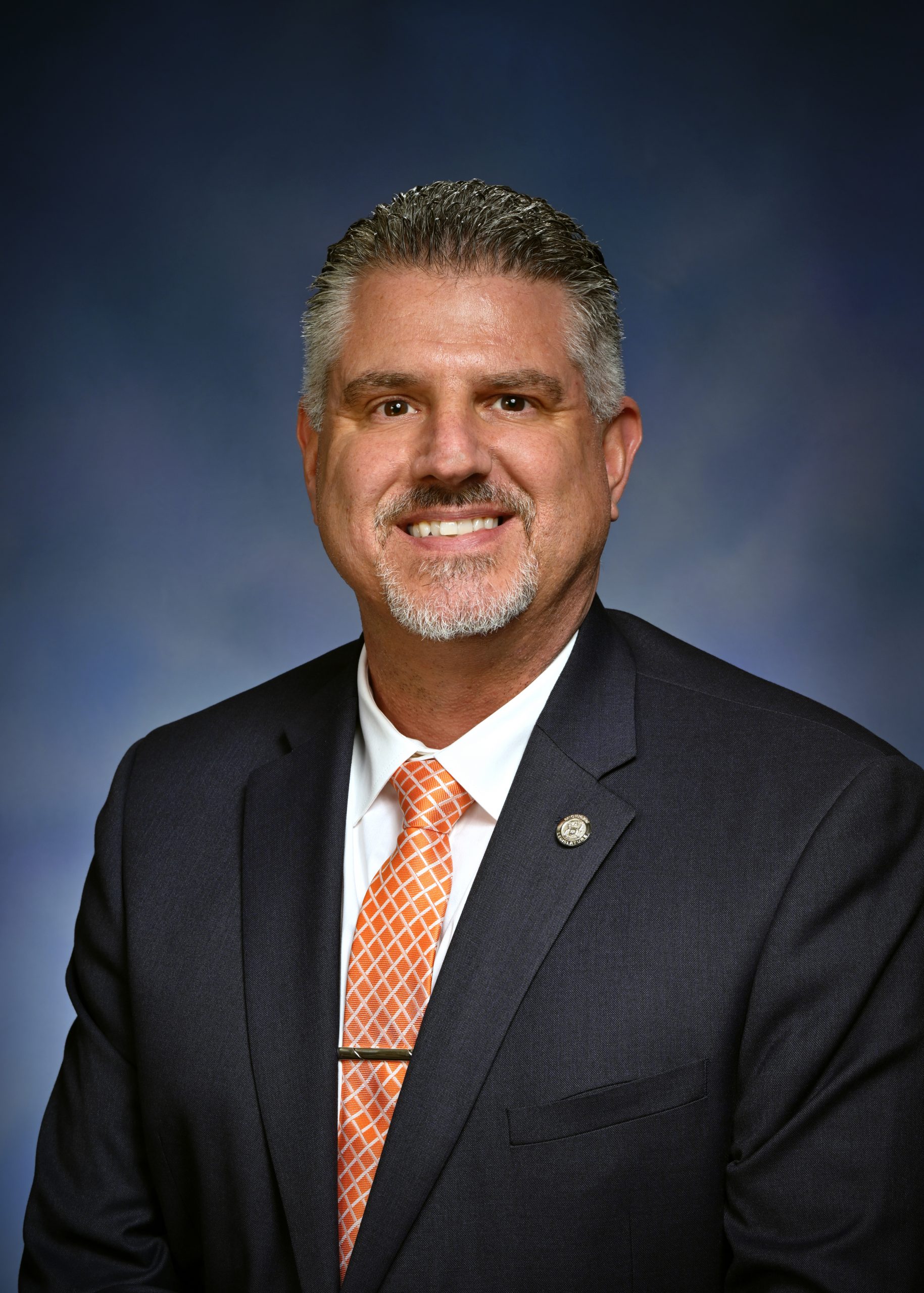
Rep. Mike Hoadley
Sponsored bills
Maddy summaryThis bill proposes creating a new fundraising license plate in Michigan specifically for the Michigan 4-H organization. Under the plan, the Secretary of State would work with 4-H to design the plates, and any money raised from their sale would be transferred to the Michigan 4-H Foundation. The legislation includes a condition that it will only take effect if a related bill, HB 5056, is also passed into law.
Maddy summaryThis bill proposes to explicitly state in Michigan election law that individuals who are not U.S. citizens are ineligible to register to vote or participate in any election within the state. The key provision adds a new section to the existing election code to clarify that non-citizens cannot vote in federal, state, or local races. By codifying this restriction, the bill aims to reinforce current legal standards regarding voter eligibility without changing the underlying requirement of citizenship.
Maddy summaryThis bill requires the Michigan Unemployment Agency to get approval from both houses of the state legislature before making specific changes to its operations. Under the new rules, the agency cannot move staff between divisions, cancel the waiting period for first unemployment payments, or remove computer systems designed to detect potential fraud. These systems currently flag claims based on factors like blacklisted email addresses, out-of-state addresses, or duplicate information such as shared bank accounts and IP addresses. Essentially, the legislation ensures that significant shifts in how the agency manages its workforce or verifies claimants must be explicitly authorized by lawmakers first.
Maddy summaryThis bill designates a specific section of M-3 in Macomb County as the "Senior Chief Petty Officer Jason P. May Memorial Highway" to honor an individual. The change is made to the Michigan Highways Act and directly affects how that stretch of road is officially named and identified on maps and signage. By amending the relevant state statute, the legislation ensures the new name is permanently recorded in law. This action is a commemorative measure that does not alter traffic rules, funding, or road construction.
Maddy summaryThis House resolution urges the President to reinstate the Migrant Protection Protocols, commonly known as the Remain in Mexico program, which was previously used to process migrants from Mexico. The bill asks the administration to return asylum seekers who do not meet immediate entry requirements to Mexico while their immigration cases are processed in U.S. courts. Supporters argue that this policy helps reduce the number of people crossing the southern border and eases the burden on immigration authorities. The resolution does not change any laws directly but serves as a formal request to the executive branch to restore a policy that ended in 2022.
Maddy summaryThis bill prohibits individuals from intentionally releasing chemicals or devices into the air to alter weather patterns or sunlight intensity. It directly affects anyone who might attempt to change the weather through such actions by making it illegal under Michigan's environmental protection laws. The key provision adds a new section to the state code that specifically bans these weather-modifying activities. By outlawing this practice, the legislation aims to prevent deliberate interference with natural atmospheric conditions.
Maddy summaryThis bill amends Michigan's Social Welfare Act to restrict eligibility for state-funded services and grants to only U.S. citizens and qualified aliens. It defines "qualified alien" using the same federal standard found in 8 USC 1641, which generally includes specific categories of immigrants such as refugees and asylees. Consequently, individuals who do not meet these citizenship or immigration status requirements would be prohibited from receiving assistance under this act, unless a specific federal law provides an exception.