

Maddy summaryHB 4001 updates Michigan's minimum wage schedule, setting new rates that increase to $12.00 per hour starting February 21, 2025, and reaching $15.00 by 2029. It replaces the previous 2018 law (PA 337) and adds an annual adjustment mechanism: starting in 2019, the wage will rise each January based on Midwest-region inflation data, capped at 3.5% per year. The bill also modifies youth wage rules, allowing employers to pay new workers under 20 a training rate of 75% of the minimum wage for their first 90 days, while prohibiting displacement of existing workers to hire at this lower rate. This directly affects all hourly workers in Michigan covered by state minimum wage laws, including young workers and employers subject to wage requirements.
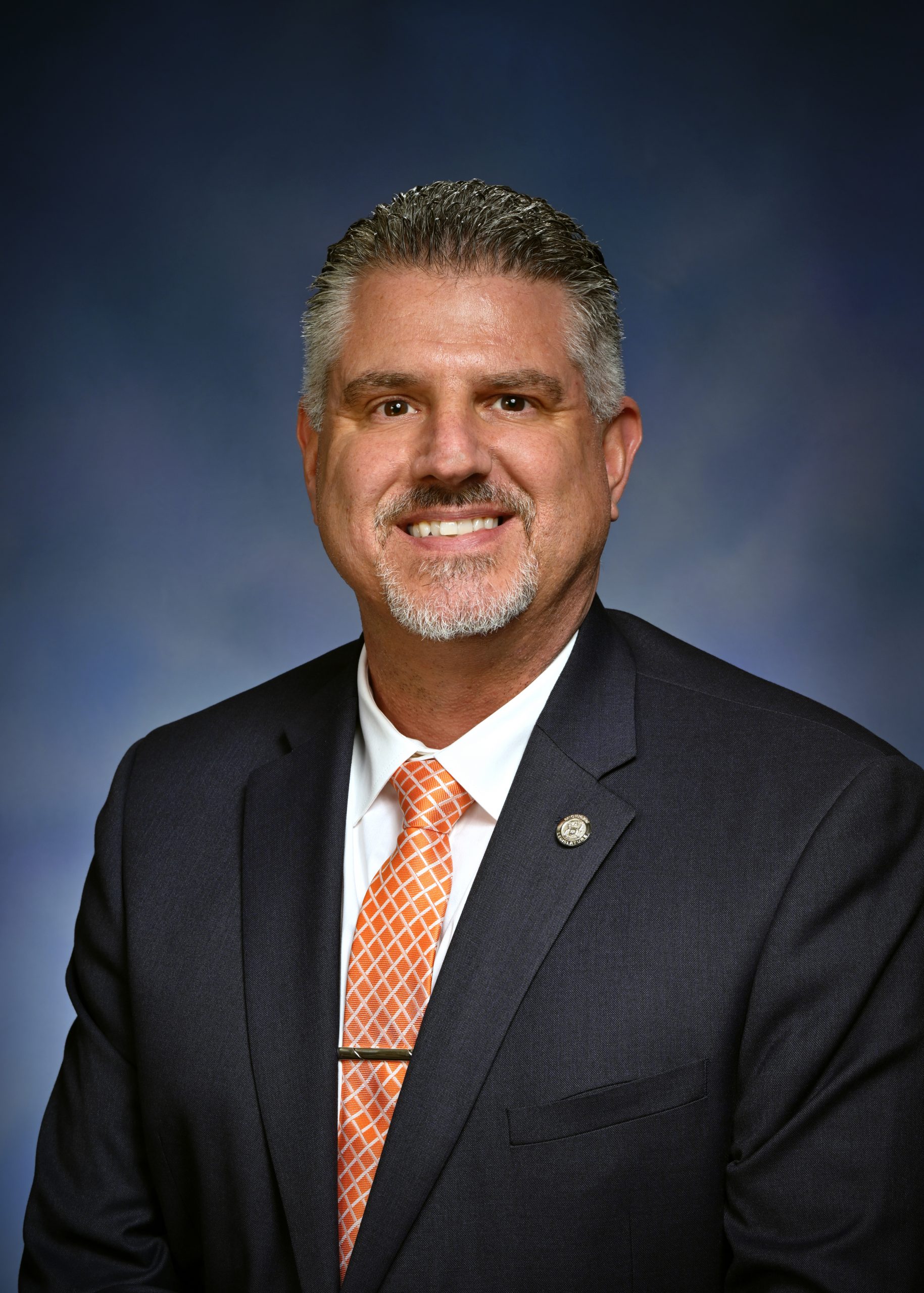
Rep. Mike Hoadley
Sponsored bills
Maddy summaryHB 4031, the "Female Athletics Integrity of Records (FAIR) Act," requires publicly funded individual sports programs in Michigan to categorize awards, rankings, and records based on competitors' biological sex - not the gender category they compete in. It applies specifically to publicly funded sports events with separate male and female competitions where athletes compete individually. The bill mandates that official records must reflect each athlete's biological sex (defined as innate at conception) regardless of which competition they entered. This policy change affects publicly funded athletic programs organizing separate male/female events, ensuring records align with biological sex as the standard for official outcomes.
Maddy summaryHB 4030 amends Michigan's Youth Employment Standards Act to allow parents or legal guardians of homeschooled minors to issue work permits for their children. The bill changes the definition of "issuing officer" to explicitly include a minor's parent or guardian when the child is educated under Michigan's homeschooling law (MCL 380.1561). This directly affects homeschooled minors under 18 who seek employment, removing the prior requirement for school district authorization. The key mechanism updates the permit process to accommodate homeschooling families, streamlining access to work permits without school district involvement.
Maddy summaryHB 4006 amends Michigan's zoning law to prevent local governments from banning weddings or similar events in barns or farm facilities located in agricultural zones. It directly affects farmers and rural property owners who host commercial events, allowing them to use agricultural land for this purpose without zoning restrictions. The bill permits reasonable regulations like noise limits, traffic management, or operating hours but prohibits outright bans on the event use. This change would apply to existing zoning ordinances under Michigan's zoning enabling act (MCL 125.3101-125.3702). The bill is currently in committee review after its January 2025 introduction.
Maddy summaryThis bill designates a specific stretch of Interstate 94 in Wayne County as the "Corporal Mohamed Said Memorial Highway." The designated section runs between Oakwood Boulevard and Outer Drive W. By adding this new section to the Michigan Memorial Highway Act, the legislation officially names the road in honor of Corporal Mohamed Said.
Maddy summaryThis bill authorizes the Michigan Department of Technology, Management, and Budget to sell or transfer two specific state-owned parcels of land in Arenac County. It establishes rules for determining fair market value and allows the property to be sold to the public, offered to local governments, or transferred to other state agencies under certain conditions. A key provision requires that if the land is sold to a local government for less than its full market value, the buyer must agree to use it exclusively for public purposes such as parks, education, or law enforcement. The legislation also mandates that any money earned from the sale must first cover the costs of the transaction before any remaining revenue goes to the state.
Maddy summaryThis bill modifies Michigan's vehicle code to clarify lane usage rules for drivers on roadways with two or more lanes traveling in the same direction. It requires vehicles to stay in the extreme right-hand lane unless passing, turning left, avoiding streetcars, or responding to construction. The law specifically restricts heavy trucks and trailers from using any lane other than the rightmost one on freeways with three or more lanes, except when making turns or avoiding hazards. Local governments are also prohibited from passing ordinances that contradict these specific lane assignment rules. Violations of these requirements are classified as civil infractions.
Maddy summaryThis bill modifies Michigan's civil procedure laws to allow courts to award legal costs and fees to the prevailing party in lawsuits involving the state, provided the state's position was not substantially justifiable. It defines "costs and fees" to include reasonable expenses for expert witnesses, studies, and attorney fees, while setting a standard cap of $75 per hour for legal services unless special circumstances justify a higher rate. The legislation also establishes specific eligibility criteria, excluding wealthy individuals and large organizations from receiving these awards, and requires the state to demonstrate that its actions caused the plaintiff to incur the expenses. Additionally, the bill outlines conditions under which a court may deny an award if the state's legal stance was frivolous or if the plaintiff engaged in conduct that unnecessarily prolonged the legal process.
Maddy summaryThis bill updates Michigan's Administrative Procedures Act to clarify rules for contested cases and remove certain restrictions on how hearings are conducted. It ensures that all parties receive clear notice of hearings and have the right to present evidence and arguments, while also allowing presiding officers to order rehearings if the initial record is insufficient. A significant provision exempts parole hearings from these administrative procedures, meaning parole decisions will no longer follow the standard contested case rules. Additionally, the bill includes specific instructions for handling hearings involving state legislators, requiring that their testimony or participation be postponed to days when they are not attending legislative sessions.
Maddy summaryThis bill expands eligibility for special "disabled veteran" license plates in Michigan to include partially disabled veterans who have a service-connected disability rating of at least 50%, in addition to those with total disabilities. The law allows these eligible veterans to obtain plates marked with "DV" and "disabled veteran" without paying the standard service fee, while also permitting their surviving spouses to use the plates after the veteran's death. Furthermore, the legislation authorizes the Secretary of State to issue free adhesive disability tabs to these veterans and their spouses, provided the applicant also meets the state's criteria for a permanent windshield placard. These changes aim to increase recognition and support for a broader range of veterans by simplifying the application process and reducing associated costs.