

Maddy summaryThis bill proposes changes to Michigan's sentencing guidelines regarding the crime of bringing in and harboring certain undocumented persons. It directly affects judges who determine punishments for individuals charged with this specific offense by updating the rules they must follow. The legislation amends an existing section of the state's criminal procedure code to modify how sentences are calculated or applied in these cases. By altering the statutory framework, the bill aims to standardize the sentencing process for this particular type of immigration-related crime.
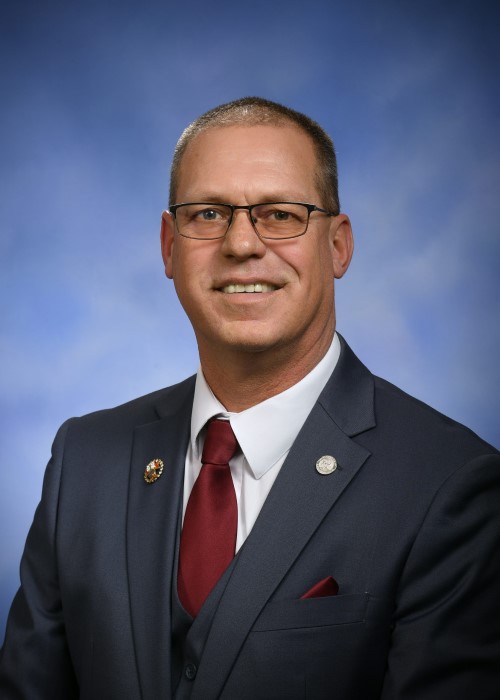
Rep. Greg Alexander
Sponsored bills
Maddy summaryThis bill amends Michigan's penal code to establish new felony charges for knowingly bringing, transporting, harboring, or encouraging undocumented immigrants to enter or remain in the state. It specifically targets individuals who facilitate illegal entry outside designated ports of entry, move people already in the country illegally, or hire large groups of unauthorized workers for commercial gain. The legislation outlines a tiered punishment system where penalties increase based on the severity of the crime, such as whether it causes serious bodily injury, results in death, or is committed for financial profit. A notable exception is included for religious organizations that sponsor volunteer ministers and missionaries, provided they have been members for at least one year and receive no compensation. Additionally, the bill creates specific felony provisions for employers who knowingly hire ten or more undocumented workers within a single year, with harsher penalties for cases involving organized crime, dangerous transportation methods, or public health risks.
Maddy summaryThis resolution designates May 23, 2024, as Stop the Bleed Day throughout Michigan to raise awareness about hemorrhage control. The measure highlights the importance of bystanders using tourniquets or direct pressure to stop life-threatening bleeding before emergency responders arrive. By officially recognizing this date, the bill aims to encourage citizens and public venues like schools and businesses to participate in training and stock bleeding control kits.
Maddy summaryThis bill creates a new state program to partner with a private company for manufacturing and distributing insulin within Michigan to address rising costs and improve access for residents with diabetes. The state will provide up to $50 million in grants to help a selected contractor build or renovate facilities, provided the company owns the property and prioritizes creating local jobs. The program specifically seeks a partner that can produce both long-acting and rapid-acting insulin and must secure approval from the federal government regarding foreign investment before proceeding.
Maddy summaryThis bill expands the definition of authorized emergency vehicles in Michigan to include vehicles owned by federally recognized nonprofit charitable organizations and the Michigan Mutual Aid Box Alarm System when operating during emergencies. It also clarifies that road service vehicles assisting disabled cars are considered emergency vehicles if they display specific flashing red or amber lights. Additionally, the legislation updates the rules for which vehicles can use flashing amber, green, or purple lights, specifically allowing these lights for ice and snow removal, spill cleanup, and funeral processions under certain conditions. These changes aim to ensure that a broader range of first responders and support vehicles have the legal authority to use emergency lighting while responding to critical situations.
Maddy summaryHB 5342 creates a specific exception to Michigan's commercial driver license requirements for authorized emergency vehicles participating in the state's Mutual Aid Box Alarm System. This bill allows drivers of these emergency vehicles to operate without the standard commercial license designations or endorsements typically required for heavy trucks and large vehicles. The change directly affects emergency response personnel who may need to drive large apparatus during mutual aid operations without holding a full commercial license. By amending the Michigan Vehicle Code, the legislation clarifies that these authorized emergency vehicles are exempt from the usual testing and licensing rules applied to commercial motor vehicle operators.
Maddy summaryThis bill declares May 2024 as Klinefelter Syndrome Awareness Month in Michigan to highlight the condition affecting males with an extra X chromosome. It aims to increase public understanding of the syndrome, which impacts one in 500 men, and to support families and caregivers through education and advocacy. The resolution emphasizes the importance of early diagnosis and available medical interventions to improve quality of life for those living with the condition.
Maddy summaryThis resolution designates the week of May 12 to May 18, 2024, as Police Week in Michigan to honor law enforcement officers. The measure serves as a commemorative gesture recognizing the bravery and service of the approximately 17,000 full-time police officers in the state. It does not create new laws or alter any policies but instead formally acknowledges the sacrifices made by officers and their families.
Maddy summaryThis bill amends Michigan's Social Welfare Act to restrict eligibility for state-funded services and grants to only U.S. citizens and qualified aliens. It defines "qualified alien" using the same federal standard found in 8 USC 1641, which generally includes specific categories of immigrants such as refugees and asylees. Consequently, individuals who do not meet these citizenship or immigration status requirements would be prohibited from receiving assistance under this act, unless a specific federal law provides an exception.
Maddy summaryThis bill amends Michigan's Open Meetings Act to allow specific public bodies to hold meetings remotely under certain conditions. It authorizes boards governing prepaid inpatient health plans, including regional mental health entities, to permit remote participation if they pass a resolution, ensure a quorum meets in person, and make remote members visible during voting and speaking. The legislation also extends existing remote meeting provisions to agricultural commodity groups, municipal retirement systems, and joint energy agencies, while maintaining requirements for two-way communication and public notice.