

Maddy summaryThis bill amends Michigan's penal code to establish new felony charges for knowingly bringing, transporting, harboring, or encouraging undocumented immigrants to enter or remain in the state. It specifically targets individuals who facilitate illegal entry outside designated ports of entry, move people already in the country illegally, or hire large groups of unauthorized workers for commercial gain. The legislation outlines a tiered punishment system where penalties increase based on the severity of the crime, such as whether it causes serious bodily injury, results in death, or is committed for financial profit. A notable exception is included for religious organizations that sponsor volunteer ministers and missionaries, provided they have been members for at least one year and receive no compensation. Additionally, the bill creates specific felony provisions for employers who knowingly hire ten or more undocumented workers within a single year, with harsher penalties for cases involving organized crime, dangerous transportation methods, or public health risks.
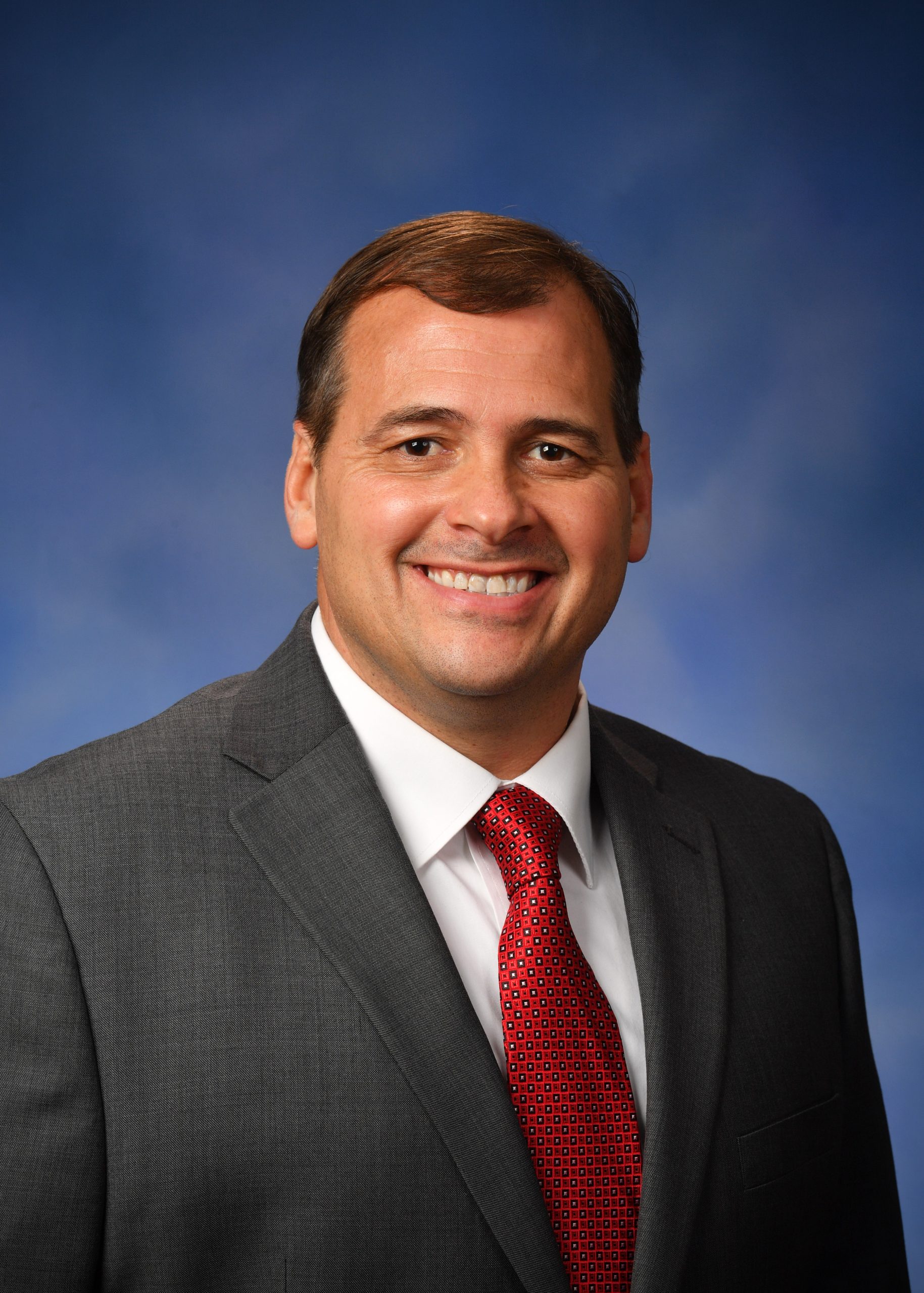
Rep. Timmy Beson
Sponsored bills
Maddy summaryThis resolution designates May 23, 2024, as Stop the Bleed Day throughout Michigan to raise awareness about hemorrhage control. The measure highlights the importance of bystanders using tourniquets or direct pressure to stop life-threatening bleeding before emergency responders arrive. By officially recognizing this date, the bill aims to encourage citizens and public venues like schools and businesses to participate in training and stock bleeding control kits.
Maddy summaryThis bill updates the Michigan Mental Health Code to officially include physician assistants, certified nurse practitioners, and clinical nurse specialists in the legal definition of mental health professionals. By amending multiple sections of the existing law, the legislation allows these advanced practice providers to perform certain examinations and deliver services that were previously restricted to other types of licensed clinicians. The change directly affects mental health service providers, patients, and the regulatory framework governing who can deliver care under the state's mental health system.
Maddy summaryThis bill requires the Michigan Strategic Fund to provide more detailed annual reports on its economic development activities to state officials and the public. The key provision mandates that these reports include specific data on every project, such as the number of jobs created or retained, the average salaries of those positions, and the total amount of financial assistance given. Additionally, the bill adds new requirements to immediately notify legislative leaders if a recipient of significant funding files for bankruptcy and to include specific financial metrics for recent investment programs. These changes aim to increase transparency by ensuring the public can see exactly how state funds are used and what results they produce.
Maddy summaryThis bill expands the definition of authorized emergency vehicles in Michigan to include vehicles owned by federally recognized nonprofit charitable organizations and the Michigan Mutual Aid Box Alarm System when operating during emergencies. It also clarifies that road service vehicles assisting disabled cars are considered emergency vehicles if they display specific flashing red or amber lights. Additionally, the legislation updates the rules for which vehicles can use flashing amber, green, or purple lights, specifically allowing these lights for ice and snow removal, spill cleanup, and funeral processions under certain conditions. These changes aim to ensure that a broader range of first responders and support vehicles have the legal authority to use emergency lighting while responding to critical situations.
Maddy summaryHB 5342 creates a specific exception to Michigan's commercial driver license requirements for authorized emergency vehicles participating in the state's Mutual Aid Box Alarm System. This bill allows drivers of these emergency vehicles to operate without the standard commercial license designations or endorsements typically required for heavy trucks and large vehicles. The change directly affects emergency response personnel who may need to drive large apparatus during mutual aid operations without holding a full commercial license. By amending the Michigan Vehicle Code, the legislation clarifies that these authorized emergency vehicles are exempt from the usual testing and licensing rules applied to commercial motor vehicle operators.
Maddy summaryThis bill allocates up to $1.4 million from the state school aid fund to help Michigan school districts train teachers in the Orton-Gillingham method, a specific instructional approach designed for students with reading difficulties. The funding is designated for the 2023-2024 fiscal year, with any unspent money carried forward until the project is estimated to be completed by September 30, 2026. A key provision states that this bill will only become effective if a related companion bill, HB 5135, is also enacted into law.
Maddy summaryThis bill amends Michigan's Social Welfare Act to restrict eligibility for state-funded services and grants to only U.S. citizens and qualified aliens. It defines "qualified alien" using the same federal standard found in 8 USC 1641, which generally includes specific categories of immigrants such as refugees and asylees. Consequently, individuals who do not meet these citizenship or immigration status requirements would be prohibited from receiving assistance under this act, unless a specific federal law provides an exception.
Maddy summaryThis bill restricts access to Michigan's State Housing Development Authority programs by limiting eligibility to U.S. citizens and qualified aliens. It directly affects individuals seeking housing assistance, grants, or services under the act by requiring them to meet specific immigration status criteria. The legislation defines "qualified alien" using the existing federal definition found in U.S. law, ensuring the state's requirements align with national standards. If enacted, the change would prevent non-citizens who do not meet these federal immigration categories from receiving state-funded housing support.
Maddy summaryThis resolution designates the week of May 5-12, 2024, as Correctional Officers Week throughout Michigan to honor the state's correctional officers. It directly affects correctional officers by formally recognizing their essential role in maintaining safety and order within correctional facilities. The bill contains no new laws or policy changes; instead, it serves as a commemorative gesture to acknowledge the dedication and training of these public servants.