

Maddy summaryHB 4016 designates May of each year as "Huntington's Disease Awareness Month" in Michigan. This symbolic resolution aims to raise public and medical awareness about Huntington's disease, which affects thousands of Michiganders and has no cure. It does not create new funding, regulations, or policy changes - it simply aligns Michigan with national recognition efforts for this progressive neurological condition. The bill was introduced in January 2025 and referred to committee for further review.
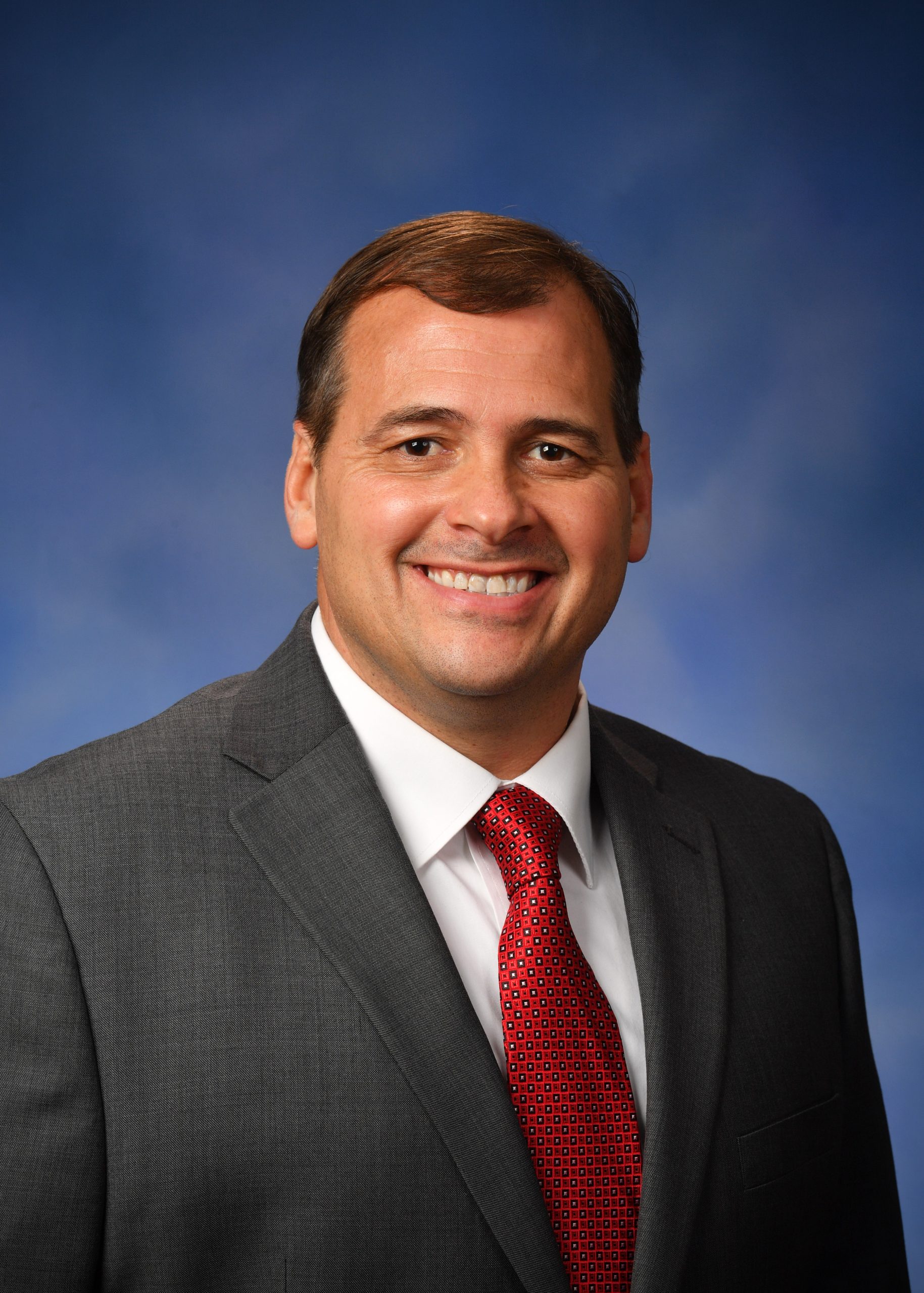
Rep. Timmy Beson
Sponsored bills
Maddy summaryThis bill creates a new Office of Tribal Legislative Liaison within Michigan's Legislative Council to strengthen government-to-government relationships between the state legislature and federally recognized tribes. The office will be led by a liaison appointed by the council from a list provided by the United Tribes of Michigan, who will be supported by at least two policy advisors. Key duties include visiting each tribe annually, advising lawmakers on how proposed legislation impacts tribal communities, and providing mandatory training for legislators on tribal history and consultation processes. Additionally, the office must submit an annual public report detailing tribal concerns raised during the legislative process to the governor and legislative leaders.
Maddy summaryThis bill expands legal protections for individuals who voluntarily provide emergency bleeding control, such as using pressure, dressings, or tourniquets, to people in medical distress. It states that these individuals cannot be sued for damages resulting from their actions unless they act with gross negligence or willful misconduct. The law applies to anyone without a pre-existing duty to help who responds in good faith to an emergency situation. This change aims to encourage bystanders to assist with life-saving bleeding control measures without fear of civil liability.
Maddy summaryThis bill clarifies that health club owners, operators, and employees have no legal duty to provide emergency services when using an automated external defibrillator (AED) on their premises. It achieves this by amending the existing Good Samaritan Act to explicitly state that individuals are not required to render emergency aid in these situations. The legislation also confirms that this change does not restrict the protections already available under the state's Good Samaritan Act for other types of emergency assistance.
Maddy summaryThis bill updates Michigan's health education standards to require middle and high school students to receive instruction in cardiopulmonary resuscitation, automated external defibrillator use, and first aid response kits. The curriculum must be based on guidelines from recognized organizations like the American Red Cross or the American Heart Association and should include hands-on practice for students physically able to participate. Schools are permitted to use various community professionals, such as paramedics or firefighters, to teach these skills, while online-only programs are exempt from the hands-on requirement. Additionally, the law clarifies that regular teachers do not need CPR certification unless they are teaching a course that results in an official certification card for the students.
Maddy summaryThis bill authorizes the Michigan Department of Technology, Management, and Budget to sell or transfer two specific state-owned parcels of land in Arenac County. It establishes rules for determining fair market value and allows the property to be sold to the public, offered to local governments, or transferred to other state agencies under certain conditions. A key provision requires that if the land is sold to a local government for less than its full market value, the buyer must agree to use it exclusively for public purposes such as parks, education, or law enforcement. The legislation also mandates that any money earned from the sale must first cover the costs of the transaction before any remaining revenue goes to the state.
Maddy summaryThis bill designates two specific stretches of Michigan highways as memorial roads to honor fallen law enforcement officers. It names a section of Interstate 75 in Saginaw County the "Trooper Joel E. Popp Memorial Highway" and a portion of M-53 in Macomb County the "Officer Leroy Imus Memorial Highway." The legislation also requires that signs for the M-53 memorial be placed at two specific intersections to mark the location. Additionally, the bill removes an existing section from the state's memorial highway act that is no longer needed for this designation.
Maddy summaryThis House resolution calls on Heidi Washington, the Director of the Michigan Department of Corrections, to resign due to alleged failures in addressing dangerous working conditions within state prisons. The bill cites severe staffing shortages that have forced officers to work excessive overtime, leading to fatigue, safety risks, and a high rate of vacant positions across multiple facilities. It further alleges that the administration has ignored union concerns, blocked legislative funding for retention and training, and fostered a culture of retaliation against employees who report issues. Ultimately, the measure seeks to hold the director accountable for these conditions without proposing specific policy changes or new laws.
Maddy summaryHB 5953 limits the late fees or penalties that privately owned toll bridge operators can charge for unpaid tolls to no more than five times the original toll amount. This restriction applies only to privately owned bridges and does not affect international crossings or publicly owned bridges. The bill amends the Michigan Vehicle Code to establish this cap, ensuring that fees for overdue tolls remain proportional to the initial cost.
Maddy summaryThis bill modifies Michigan's school code to require public school districts to provide a core academic curriculum based on state-developed standards that focus strictly on academic and cognitive skills. Key provisions mandate that reading instruction for grades K-6 adhere to the science of reading and that math standards for grades K-5 be updated by a specific committee by June 2025. The legislation also requires history curricula for grades 8-12 to include learning objectives about genocide, such as the Holocaust and the Armenian Genocide. Additionally, the bill ensures that state assessments measure only academic proficiency rather than student values or attitudes and requires special assistance for students who do not pass fourth or seventh-grade reading tests.