

Maddy summaryHB 5284 adds Section 2504b to Michigan's Occupational Code, creating a process for licensed professionals (primarily accountants) to clear disciplinary records related to a single, one-time failure to meet continuing education (CE) requirements. To qualify, licensees must wait 5 years after sanctions end, prove they’ve completed the required CE since the violation, have no recent disciplinary actions, and haven’t previously cleared a record under this provision. The bill allows the licensing department to remove the disciplinary record from public websites, enabling licensees to state no such record exists. This directly affects licensed individuals who missed CE requirements but otherwise comply with all other rules.
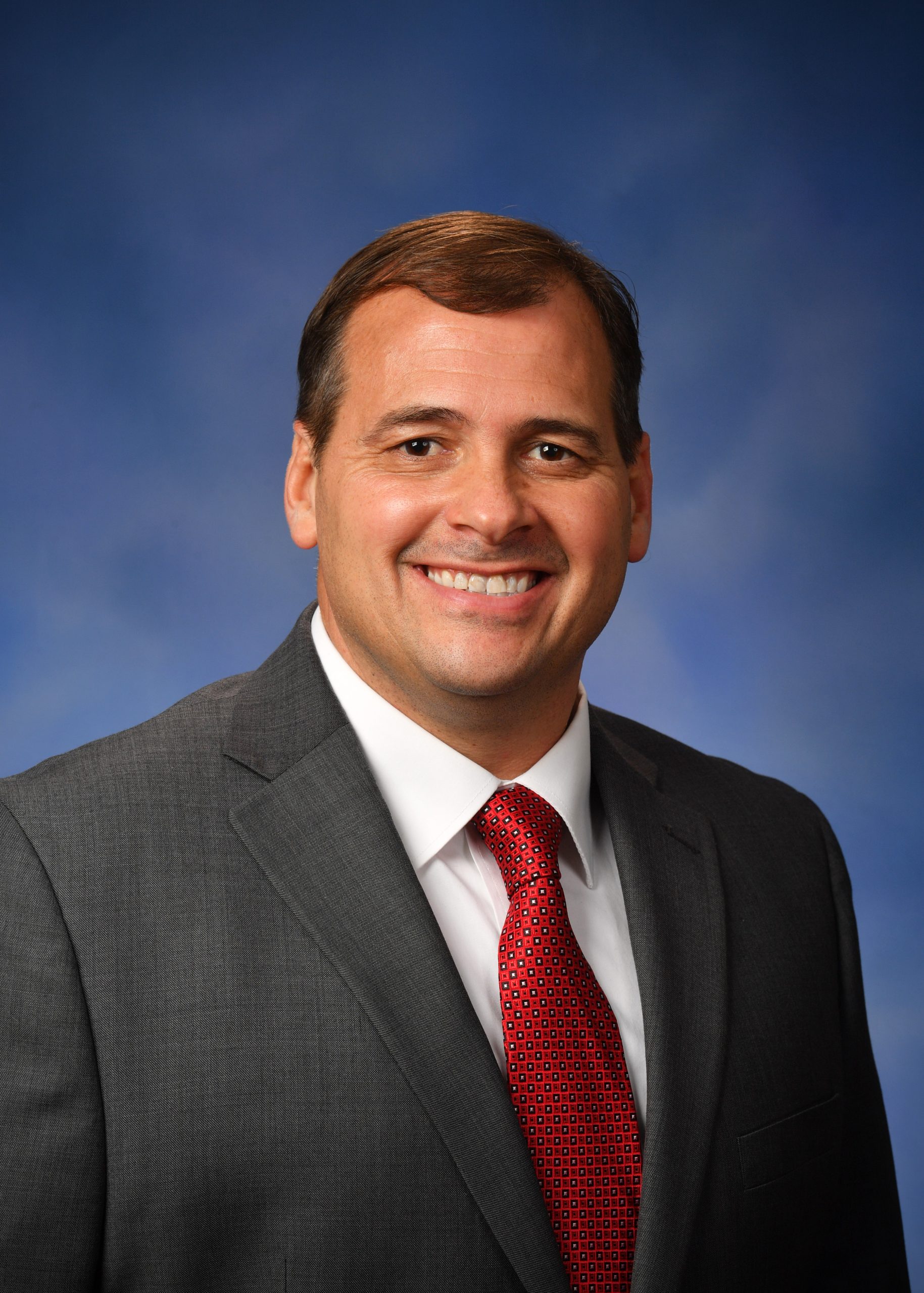
Rep. Timmy Beson
Sponsored bills
Maddy summaryHB 4285 requires Michigan schools to offer firearm safety instruction for students in grades 6-12 by September 2025. The state must create a model program (based on existing hunter safety standards) covering safe handling, cleaning, firearm types, and hunting practices, taught by certified instructors - **without bringing firearms into school buildings**. Schools may offer this as an optional extracurricular class or integrate it into existing courses, and students or parents may opt out without penalty. Completing the program counts toward the hunter safety certification needed for a hunting license. The bill directly affects all Michigan public schools and students in grades 6-12.
Maddy summaryHB 4282 amends Michigan's liquor licensing law (MCL 436.1513) to change requirements for businesses selling alcohol for on-premises consumption. It directly affects restaurants, bars, and similar establishments seeking or holding licenses to serve alcohol at their locations. The bill modifies specific statutory provisions governing these licenses but does not specify new categories or additional restrictions. This change alters the existing legal framework for these permits without altering broader licensing categories.
Maddy summaryHB 5406 would prohibit Michigan health insurers from covering organ transplants if the procedure occurs in China or another country designated by the Michigan Department of Health and Human Services as engaging in forced organ harvesting, or if the organ originated from such a country. It applies to all health insurance policies issued or renewed in Michigan and requires the health department director to designate which countries fall under this prohibition. The bill defines "forced organ harvesting" as organ removal through coercion, abduction, deception, or abuse of power. This policy change would directly affect patients seeking transplants involving organs from designated countries and insurers offering coverage for such procedures.
Maddy summaryHB 5375 prohibits charging interest on unpaid restitution of overpaid unemployment benefits when the overpayment resulted from specific errors, such as agency mistakes, employer errors, or system issues - not the claimant's fault. It requires the unemployment agency to waive existing interest charges and refund payments made for those errors, with refunds due within 180 days of the law's effective date. The bill also stops interest from accruing during pending appeals and applies retroactively to overpayments from February 2020 through December 2026. This directly affects claimants who received overpayments due to errors beyond their control.
Maddy summaryHB 5362 is a supplemental budget bill that allocates additional state funds to the University of Michigan for its operations during the 2024-2025 fiscal year. It modifies existing state appropriations by designating specific supplemental funding for the University of Michigan, without creating new programs or altering the university's structure. This bill directly affects the University of Michigan's budget, providing it with additional resources from the state's general fund for the upcoming fiscal year. The bill is procedural in nature, focusing solely on the allocation of existing state funds rather than establishing new policies.
Maddy summaryHouse Bill 4425 creates the Sustainable Aviation Fuel Incentive Program in Michigan. This program aims to encourage companies to produce or blend sustainable aviation fuel (SAF) within the state by offering corporate income tax credits. The Department of Environment, Great Lakes, and Energy (EGLE) will administer the program, certifying SAF that meets specific criteria, including source materials, technical standards, and a minimum 50% reduction in life-cycle greenhouse gas emissions compared to traditional jet fuel. The bill sets an annual cap on the total amount of tax credits approved, starting at $4.5 million for the 2025-2026 fiscal year and increasing to $9 million annually thereafter.
Maddy summaryHouse Bill 4424 proposes a new corporate income tax credit for businesses that produce or blend sustainable aviation fuel (SAF) within Michigan. Qualified taxpayers can claim a credit of $1.50 per gallon for SAF produced or blended in the state and sold for use in aircraft departing from Michigan airports. This credit can increase up to $2.00 per gallon based on the SAF's life-cycle greenhouse gas emission reductions. If the credit amount exceeds a company's tax liability, the difference will be refunded.
Maddy summaryHB 4314 amends Michigan's environmental law to allow property owners and communities to remove free-floating debris and uprooted vegetation from shorelines without a permit. Specifically, it permits mechanical or manual removal between the ordinary high-water mark and the water's edge, as long as the activity doesn't impact the lakebed. This change directly affects residents, shoreline property managers, and local groups maintaining areas along Great Lakes and Lake St. Clair shorelines. The exemption does not apply to the St. Clair River delta area in Clay Township, St. Clair County, as defined in 1899 PA 175.