

Maddy summaryHB 4931 amends Michigan's Open Meetings Act to allow certain public bodies to hold remote meetings via video or phone under expanded circumstances. It specifically permits licensing boards (like those for healthcare, trades, or occupational professions) to meet remotely for any reason requiring accommodation of absent members - no longer limited to emergencies - after December 31, 2021. The bill requires 2-way communication during remote meetings, clear public notice (including how to participate electronically), and prohibits remote voting on rule processing matters by licensing board members. This change directly affects licensing boards managing professional credentials, while maintaining transparency requirements for public access.
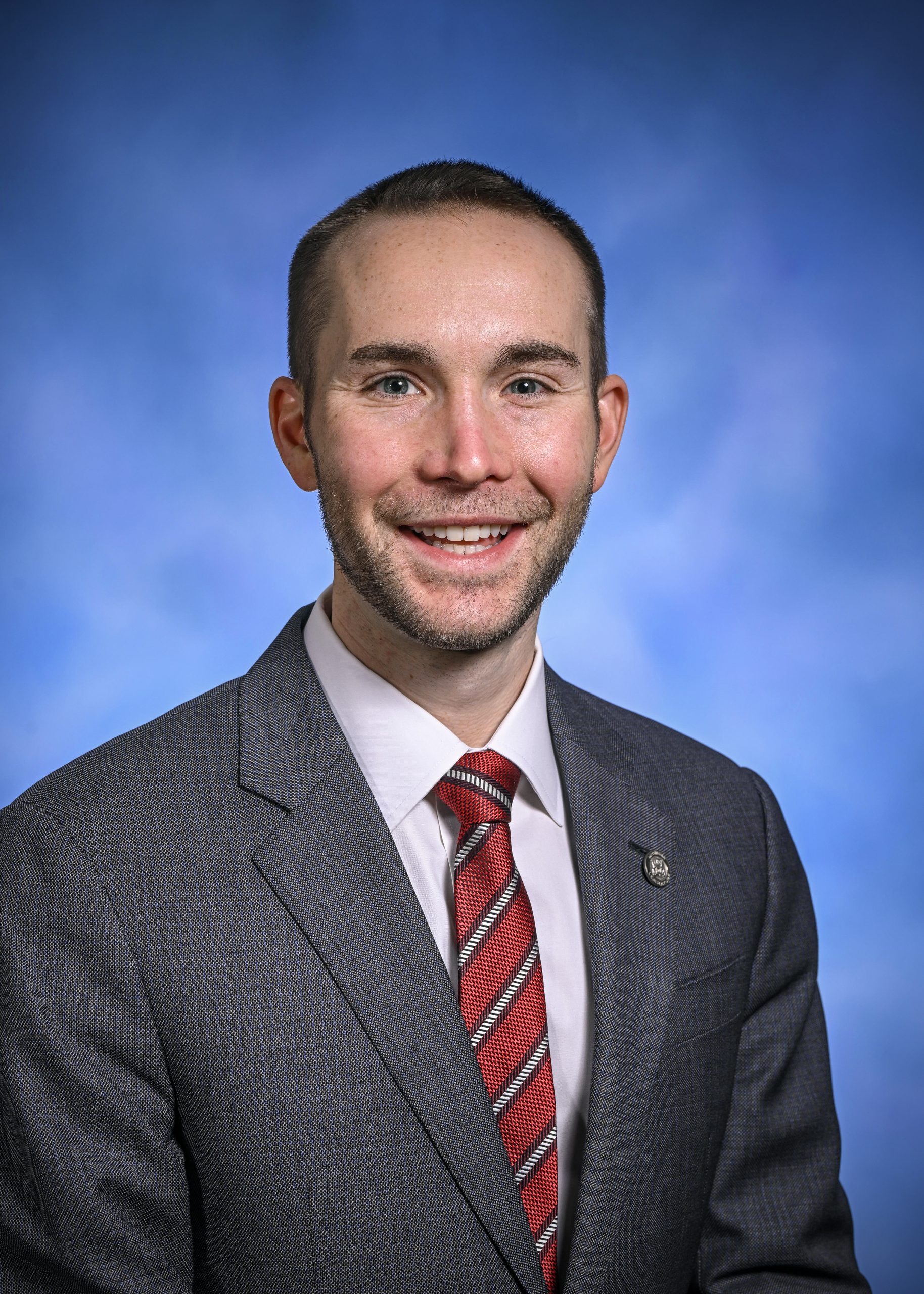
Rep. Bill Schuette
Sponsored bills
Maddy summaryHB 4908 allows cosmetology apprentices to perform shampoo services (preparing for shampoo, shampooing, or blow-drying) in licensed establishments without a full cosmetology license. To qualify, apprentices must complete 350 hours of training in a cosmetology curriculum and be enrolled in an apprenticeship program run by a licensed establishment owner. The bill requires establishments to verify apprentices' eligibility with a school letter on file, maintain records for 3 years, and have a licensed cosmetologist present during services. It does not permit apprentices to perform other cosmetology services beyond shampooing.
Maddy summaryHB 4510 would allow Michigan's public employee retirement funds (managed by the state treasurer as investment fiduciary) to invest in cryptocurrency meeting strict criteria. The bill requires any cryptocurrency investment to have a minimum $250 billion average market capitalization over the previous year and must be held as exchange-traded products from registered investment companies. It applies only to retirement systems where the state treasurer acts as the investment fiduciary, not all funds. The bill adds this investment option without altering existing rules for other assets.
Maddy summaryHB 5386 amends Michigan's insurance code to update reporting requirements and fees for captive insurance companies (entities that insure only their parent company). It requires annual financial reports verified by executive officers, allows flexible accounting standards with director approval, and mandates annual actuarial opinions on reserves. The bill establishes tiered annual renewal fees based on premium volume, ranging from $5,000 for under $5 million in premiums to $100,000 for over $75 million. These changes directly affect all captive insurance companies operating in Michigan, modifying their compliance obligations under state law.
Maddy summaryHB 4909 amends Michigan's cosmetology school regulations to strengthen oversight and student protections. It requires schools to limit student attendance to 40 hours weekly, maintain monthly attendance records, establish grading systems, and verify students have a high school education or equivalent. The bill mandates that students complete at least 350 hours of general cosmetology training (or 1/4 of specialized program hours) before practicing on the public, and prohibits schools from charging fees for teaching apprentices. These changes directly affect cosmetology schools, apprentices, and their students by standardizing training requirements and record-keeping.
Maddy summaryHB 4932 modifies Michigan's continuing education requirements for pharmacists and pharmacy technicians renewing their licenses. It adds a new requirement that 100% of the continuing education hours must include pain and symptom management content, as specified by the department. The bill also allows all continuing education to be completed online or electronically through department-approved programs. This applies directly to licensed pharmacists and pharmacy technicians seeking license renewal in Michigan, without changing the existing hour requirements (30 hours for pharmacists, 20 hours for technicians).
Maddy summaryHB 4934 amends Michigan's Public Health Code to clarify that relicensing a temporary psychology license (after it lapses) counts as one renewal under existing rules. This specifically affects psychologists who held temporary licenses under Sections 18223(2) or (4) but let their licenses expire. The bill allows these individuals to have their relicensed status treated as a valid renewal, avoiding the need to restart the full temporary license period. It does not change education, experience, or examination requirements for new applicants or standard license renewals.
Maddy summaryHB 5210 allows commercial fishing license holders to list multiple vessels on a single license instead of requiring separate licenses for each boat. Licensees can add or remove vessels anytime by providing written notice to the department. The bill also clarifies rules for transferring licenses when boats are sold, damaged, or lost, including fee adjustments for larger vessels or non-resident transfers. All vessels listed under one license must operate within 50 miles of the originally designated port.
Maddy summaryHB 5219 would allow direct farm-to-consumer sales of raw milk and raw milk products in Michigan by amending the Food Law. It defines "direct farm-to-consumer product" to explicitly include raw milk meeting requirements under the 2001 Manufacturing Milk Law, enabling farmers to sell these products directly to consumers on their property. The bill adds new sections (4102a and 4102b) to establish this sales pathway while maintaining existing pasteurization requirements for other sales. This change directly affects farmers producing raw milk and consumers purchasing it directly from farms, without altering commercial milk sales rules.
Maddy summaryHB 5217 would allow direct farm-to-consumer sales of raw (unpasteurized) milk and milk products by dairy producers who comply with specific safety standards under Michigan's Food Law (2000). It amends existing milk regulations to explicitly permit this sale method, provided producers meet requirements in Section 4102a of the Food Law and adhere to the definition of "direct farm-to-consumer producer" from the Food Law. This change affects small dairy farms selling directly to consumers, not restaurants or grocery stores, and maintains existing pasteurization requirements for all other milk sales. The bill requires compliance with state safety protocols but does not alter pasteurization rules for commercial distribution.