

Maddy summaryHB 5420 requires Michigan hospitals to include tests for specific substances in drug screens when diagnosing a drug overdose. It mandates that hospitals report anonymous test results to the Department of Health and Human Services (MDHHS), with results kept confidential and exempt from public disclosure. The MDHHS will define the list of "qualified substances" through rules (to be created within 180 days) and use the data to track trends and risk factors. This bill directly affects hospitals conducting overdose-related drug screens and the MDHHS, which will manage the reporting system and annual review of substances.
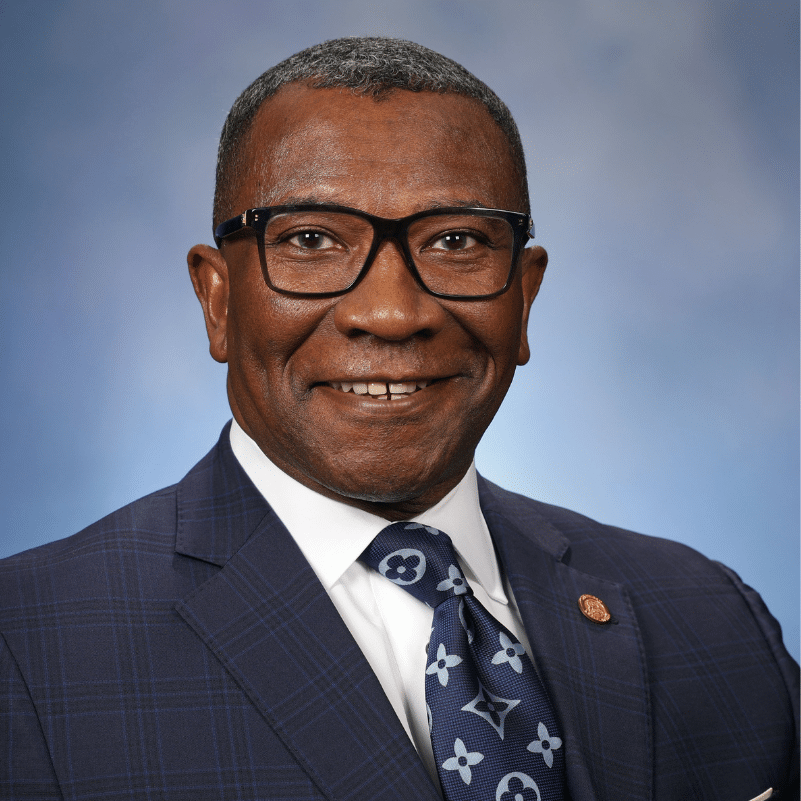
Rep. Amos O'Neal
Sponsored bills
Maddy summaryHB 5389 modifies how Michigan manages state funds for specific projects (called "work projects"). It requires that such projects must have a clear purpose, specific plan, estimated cost, and completion date to qualify. The bill also changes the timeframe for unused funds to expire (48 months after the fiscal year ends) and gives the director authority to propose lapsing project accounts, but requires both legislative committees to disapprove such proposals within 30 days. Additionally, it mandates annual reports to committees detailing all active work project accounts, their balances, and any funds that lapsed.
Maddy summaryHB 5390 modifies Michigan's budget law to clarify rules for "work project" appropriations, which are funds designated for specific, time-bound projects. It requires all work projects to meet four criteria: a specific purpose, a clear plan, an estimated cost, and a completion date. The bill strengthens legislative oversight by allowing appropriations committees to disapprove the director's decisions to lapse funds or designate new work projects, requiring a two-thirds vote and committee hearings within 30 days. This affects state agencies managing project funds and legislative committees responsible for budget review.
Maddy summaryHB 5394 requires Michigan's unemployment insurance agency to automatically waive repayment of benefits improperly paid due to the agency's own administrative or clerical errors, rather than requiring claimants to seek a waiver through a separate process. This applies specifically when overpayments result from the agency's mistakes (e.g., data entry errors), excluding cases involving fraud, identity theft, or intentional misrepresentation by claimants. The bill ensures claimants affected by such agency errors do not face repayment demands or interest, streamlining relief for those who received benefits due to the state's administrative errors. It does not change eligibility rules or apply to overpayments caused by claimant error or fraud.
Maddy summaryHB 5393 amends Michigan's unemployment benefits law to change how overpaid benefits are recovered. It requires the unemployment agency to issue a repayment demand within 3 years of a final determination about overpayment, and prohibits recovery actions after that deadline (except for suspected identity fraud). The bill creates specific waiver conditions where repayment may be forgiven, including cases of agency errors, low household income (below 150% of federal poverty guidelines), or unintentional wage reporting mistakes by employers. This directly affects unemployed Michiganders who received incorrect benefits, ensuring they aren't required to repay overpayments after the 3-year window unless fraud is involved.
Maddy summaryHB 5206 creates a new "limited cosmetologist license" under Michigan's cosmetology law, allowing individuals to perform specific services like natural hair cultivation, manicuring, or skin care without needing a full cosmetologist license. This change streamlines licensing for professionals who specialize in these areas, eliminating the need for separate licenses (e.g., for manicuring or esthetics) while requiring them to limit their practice to the licensed services. The bill updates definitions to clarify terms like "natural hair cultivation" (techniques such as braiding or twisting without chemicals) and ensures license holders cannot perform unlicensed services like electrology. It directly affects cosmetology practitioners seeking to offer these focused services more efficiently.
Maddy summaryThis House Resolution (HR 224) urges the Trump-Vance administration to reverse its denial of federal disaster relief funding for northern Michigan residents affected by a March 2025 ice storm. It specifically requests the full amount of funding requested under the Stafford Act for individual assistance, public utilities, and hazard mitigation after the storm caused widespread infrastructure damage and hardship. The resolution is non-binding and serves only to formally express congressional support for affected communities, directing copies to the President, FEMA, and Michigan's congressional delegation. It does not alter funding decisions or create new legal obligations.
Maddy summaryHB 5285 prohibits minors under 18 from using or possessing BB guns (defined as pneumatic guns firing BBs/pellets via spring, gas, or air) outside their home property without an adult over 18 present. It directly affects unaccompanied minors who might use such devices in public or non-residential areas. The bill creates penalties for violations, including up to 90 days in jail or a $500 fine, and clarifies that "pneumatic gun" includes common BB/pellet guns. The legislation is pending review by the Government Operations Committee after its introduction on November 13, 2025.
Maddy summaryHB 5290 requires public employers to negotiate minimum staffing levels as a mandatory topic in collective bargaining agreements for firefighters and other public employees covered under Michigan's 1969 firefighting safety law (MCL 423.231-423.247). This change applies specifically to units where employees face firefighting hazards, making staffing levels part of required negotiations. Employers may opt out of bargaining on staffing levels only if they face budget shortfalls from state revenue or property tax declines, or if a millage increase would be needed to cover costs. The bill amends sections 11 and 15 of Michigan's 1947 Public Employment Relations Act to update mandatory bargaining requirements.
Maddy summaryHB 5092 modifies Michigan's breeding license requirements for large carnivores, requiring businesses to maintain a valid federal animal exhibition license (Class C) in good standing for five years. It applies specifically to organizations that display large carnivores to the public for education or exhibition purposes, not to general pet owners or breeders. The bill prohibits direct public contact with these animals and restricts sales only to other qualified licensees meeting the same requirements. These changes took immediate effect upon the Governor's approval on November 18, 2025.