

Maddy summaryThis bill establishes the "Protection from Intimate Deep Fakes Act" to provide legal remedies for individuals harmed by nonconsensual deep fake images depicting sexual conduct. It allows victims to file civil lawsuits against anyone who creates or shares these realistic but fake videos, provided the creator knew or should have known the content would cause harm and was made using artificial technology rather than physical impersonation. The law defines specific protections for identifiable individuals and clarifies that consent is not a valid defense unless it is documented in a clear, signed agreement describing exactly what the fake image entails. Additionally, the legislation sets rules for where lawsuits can be filed and ensures that plaintiffs can use pseudonyms to protect their privacy during legal proceedings.
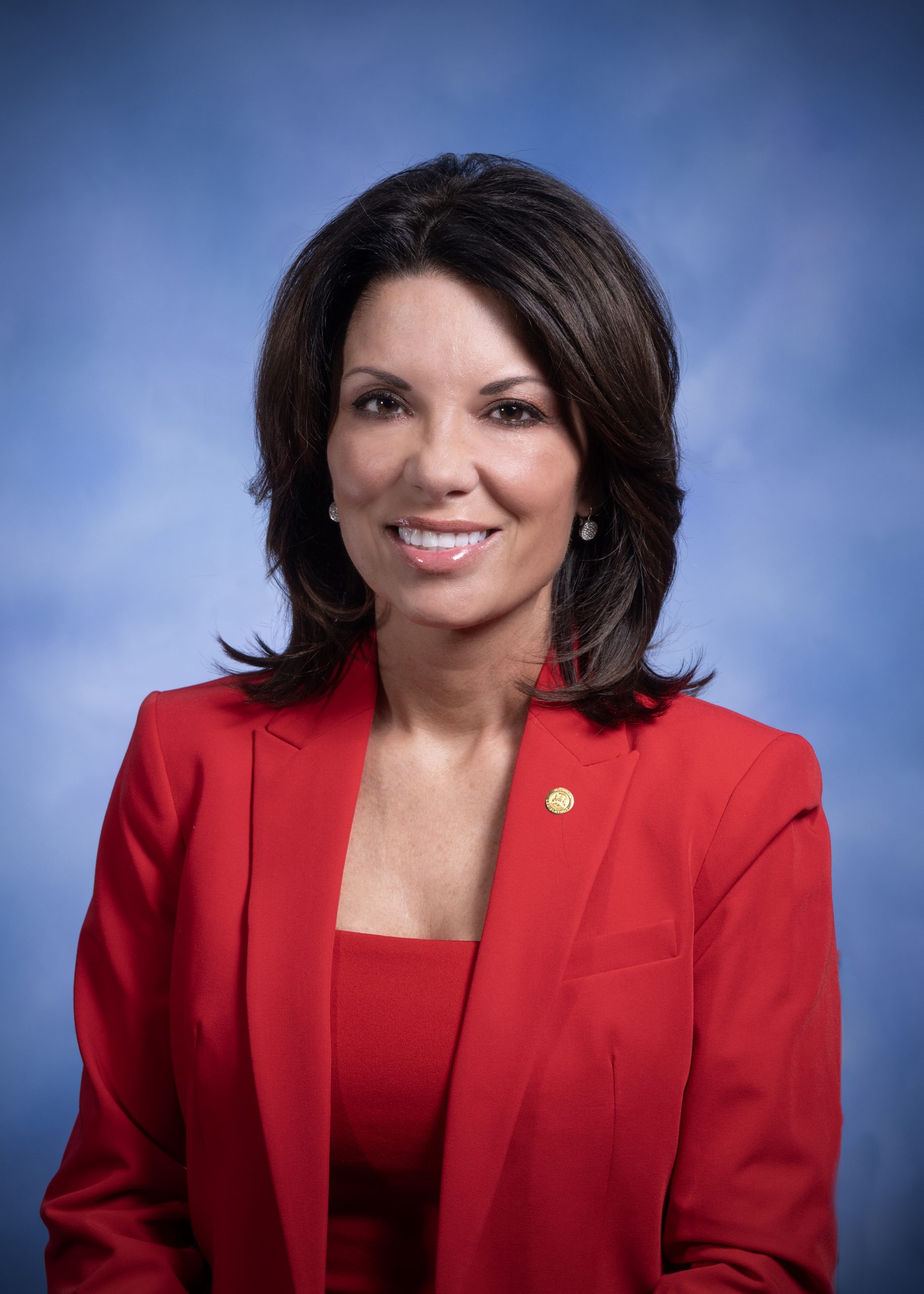
Rep. Angela Rigas
Sponsored bills
Maddy summaryHB 5570 updates Michigan's sentencing guidelines to include specific rules for cases involving the creation or distribution of deepfake sexual images. The bill modifies an existing section of the state's criminal procedure code to ensure that judges and prosecutors have clear standards when determining penalties for these offenses. By adding these provisions to the official sentencing framework, the legislation aims to provide consistency in how courts handle new types of digital sexual exploitation. This change directly affects judges, prosecutors, and defendants involved in cases related to non-consensual deepfake imagery.
Maddy summaryThis bill expands legal protections for individuals who voluntarily provide emergency bleeding control, such as using pressure, dressings, or tourniquets, to people in medical distress. It states that these individuals cannot be sued for damages resulting from their actions unless they act with gross negligence or willful misconduct. The law applies to anyone without a pre-existing duty to help who responds in good faith to an emergency situation. This change aims to encourage bystanders to assist with life-saving bleeding control measures without fear of civil liability.
Maddy summaryThis bill clarifies that health club owners, operators, and employees have no legal duty to provide emergency services when using an automated external defibrillator (AED) on their premises. It achieves this by amending the existing Good Samaritan Act to explicitly state that individuals are not required to render emergency aid in these situations. The legislation also confirms that this change does not restrict the protections already available under the state's Good Samaritan Act for other types of emergency assistance.
Maddy summaryThis bill updates Michigan's health education standards to require middle and high school students to receive instruction in cardiopulmonary resuscitation, automated external defibrillator use, and first aid response kits. The curriculum must be based on guidelines from recognized organizations like the American Red Cross or the American Heart Association and should include hands-on practice for students physically able to participate. Schools are permitted to use various community professionals, such as paramedics or firefighters, to teach these skills, while online-only programs are exempt from the hands-on requirement. Additionally, the law clarifies that regular teachers do not need CPR certification unless they are teaching a course that results in an official certification card for the students.
Maddy summaryThis bill authorizes the Michigan Department of Technology, Management, and Budget to sell or transfer two specific state-owned parcels of land in Arenac County. It establishes rules for determining fair market value and allows the property to be sold to the public, offered to local governments, or transferred to other state agencies under certain conditions. A key provision requires that if the land is sold to a local government for less than its full market value, the buyer must agree to use it exclusively for public purposes such as parks, education, or law enforcement. The legislation also mandates that any money earned from the sale must first cover the costs of the transaction before any remaining revenue goes to the state.
Maddy summaryThis bill declares October 2024 as Disability Employment Awareness Month within the state of Michigan. It aims to raise awareness about employment issues affecting people with disabilities and to celebrate their contributions to the workforce. The resolution specifically commends various local organizations, such as Michigan Rehabilitation Services and Disability Network Michigan, for their efforts in improving job access. It encourages all citizens to learn more about these issues and to support individuals with disabilities and their families.
Maddy summaryThis House resolution calls on Heidi Washington, the Director of the Michigan Department of Corrections, to resign due to alleged failures in addressing dangerous working conditions within state prisons. The bill cites severe staffing shortages that have forced officers to work excessive overtime, leading to fatigue, safety risks, and a high rate of vacant positions across multiple facilities. It further alleges that the administration has ignored union concerns, blocked legislative funding for retention and training, and fostered a culture of retaliation against employees who report issues. Ultimately, the measure seeks to hold the director accountable for these conditions without proposing specific policy changes or new laws.
Maddy summaryThis bill updates Michigan election laws to clarify the rules for withdrawing as a candidate and selecting replacements when a candidate for county office dies. It requires candidates to submit a written withdrawal notice by a specific deadline after filing their nomination. Additionally, it establishes that if a nominated candidate for certain county positions dies, the political party's executive committee must select a replacement who meets specific residency requirements. The bill also tightens restrictions on withdrawal by adding conditions such as moving out of the county or becoming physically unfit, ensuring that vacancies are filled only through the defined replacement process.
Maddy summaryHB 5953 limits the late fees or penalties that privately owned toll bridge operators can charge for unpaid tolls to no more than five times the original toll amount. This restriction applies only to privately owned bridges and does not affect international crossings or publicly owned bridges. The bill amends the Michigan Vehicle Code to establish this cap, ensuring that fees for overdue tolls remain proportional to the initial cost.