

Maddy summaryHB 4304 prohibits intentionally injecting, releasing, or dispersing chemicals or devices into the atmosphere to alter weather patterns or sunlight intensity. This directly affects individuals or entities conducting weather modification activities, such as cloud seeding or experimental atmospheric interventions. The bill adds this specific prohibition to Michigan's environmental protection law, making such actions illegal under state statute without requiring additional regulatory steps. It focuses on preventing intentional atmospheric interference for weather-related purposes.
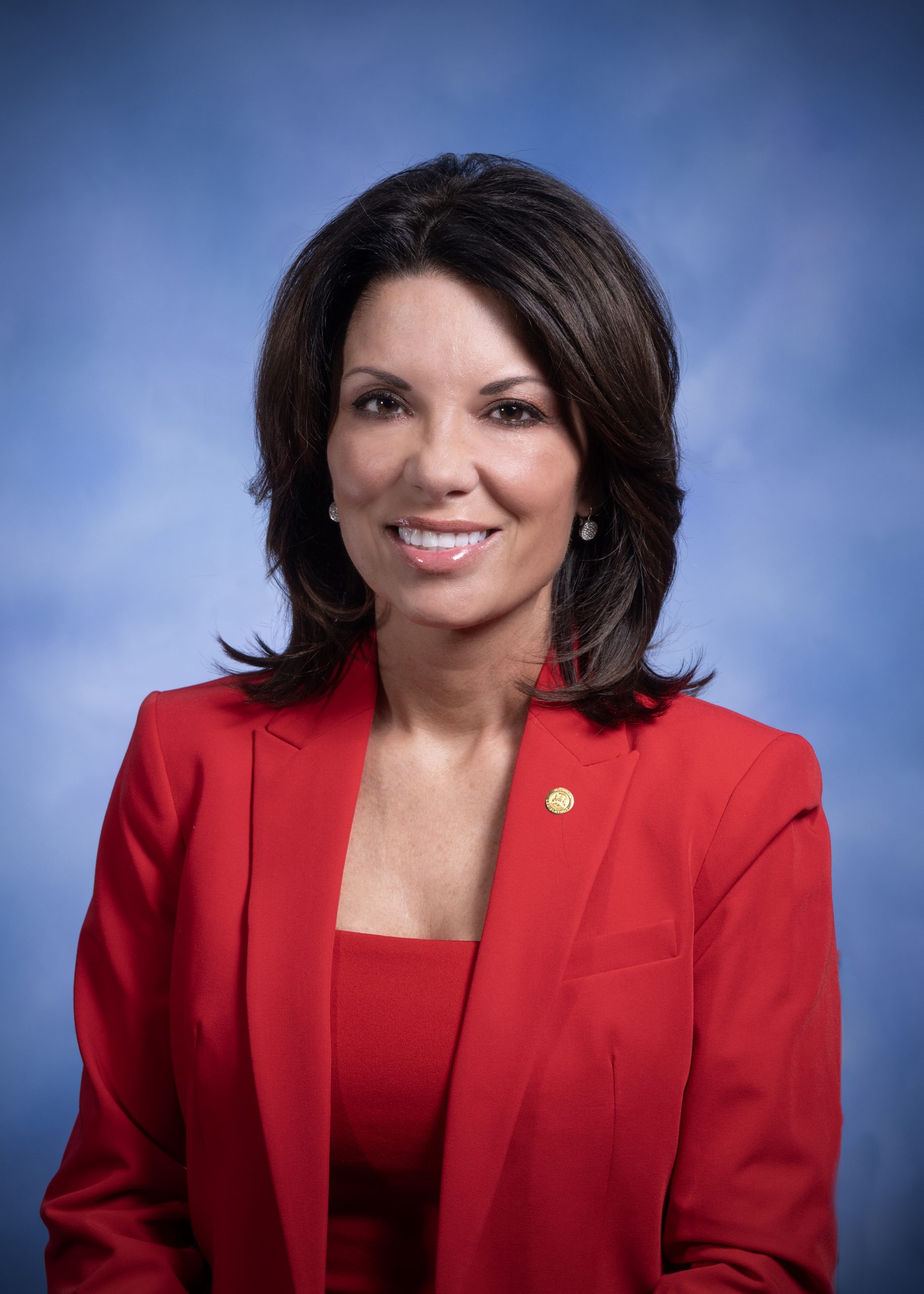
Rep. Angela Rigas
Sponsored bills
Maddy summaryHB 4286 requires Michigan public schools to update health education curriculum standards by the 2026-2027 school year. It mandates specific content about human development, including an overview of pregnancy biology, fetal development inside the uterus, a 3-minute high-definition ultrasound video of early fetal organ development, and a computer-generated animation showing fertilization through birth. The bill directly affects Michigan public schools and the state Department of Education, which must revise curriculum standards to include these requirements. This is a concrete policy change to the health education curriculum, not a procedural or commemorative measure.
Maddy summaryHB 4278 designates the state of Michigan as the "Purple Heart State" to symbolically honor military service members wounded or killed while serving in the U.S. Armed Forces. It does not create new laws or affect any policies, programs, or individuals through concrete action - it is purely a symbolic gesture expressing gratitude. The bill’s sole mechanism is renaming the state for this purpose, as stated in its text: "This state is designated as a purple heart state to express gratitude and respect." The bill was introduced on March 20, 2025, and referred to committee, with no further action taken.
Maddy summaryHB 4170 permanently sets Michigan's individual income tax rate at 4.05% for all taxpayers, replacing a temporary 4.25% rate scheduled to take effect in 2024. It creates a mechanism where the rate could decrease further if state revenue growth exceeds inflation, requiring annual revenue reviews. The bill directly affects all Michigan residents who pay individual income tax. The change takes effect immediately for tax years beginning January 1, 2025, with the 4.05% rate now permanent unless triggered by the revenue growth condition.
Maddy summaryHJR G is a proposed constitutional amendment (not a law) that seeks to remove three education governance bodies from Michigan's state constitution. It would eliminate the state board of education, the superintendent of public instruction, and the state board for public community/junior colleges by amending Article VIII, Sections 3 and 7. If approved by voters, these positions and boards would be abolished, shifting oversight of public education away from state-level governance. This is a procedural constitutional change requiring voter approval at the next general election.
Maddy summaryHB 4237 prohibits Michigan local governments (like cities, counties, and school districts) from awarding or renewing contracts that give contractors access to personal data if the contractor is a "controlled entity" tied to specific foreign countries of concern (China, Russia, Iran, North Korea, Cuba, Venezuela, or Syria). It requires contractors to submit sworn affidavits confirming they are not controlled entities, with violations subject to fines up to twice the contract value or a 5-year contract ban. The bill also restricts local governments from using information technology or services designed, developed, or supplied by companies owned by those foreign countries, aligning with federal security lists. These rules take effect July 1, 2026, for contract renewals and extensions.
Maddy summaryHB 4236 amends Michigan's state contracting rules to limit foreign influence in projects involving personal data. It directly affects state contractors working on facilities (like buildings or infrastructure) where personal identifying information is handled. The bill requires contractors to provide a sworn affidavit confirming they are not "controlled entities" tied to specific foreign governments (including China, Russia, Iran, and others). Starting July 1, 2025, the state cannot renew or extend such contracts without this verification.
Maddy summaryHB 4060 amends Michigan's school code to update rules for funding area career and technical education (CTE) programs through local property taxes. It sets specific millage limits: new programs can levy up to 1 mill, while existing programs can increase to 1.5 times their 1993 rate (with elector approval only for new increases). The bill requires school districts to audit and publicly post CTE fund usage online, mandates repayment if funds are misused, and defines allowable CTE program expenses to include inter-district contracts. These changes directly affect intermediate school districts operating CTE programs and ensure tax dollars are used solely for designated career education purposes.
Maddy summaryHB 4224 requires all Michigan K-12 public and private schools to install emergency responder radio coverage systems within 10 years if they lack them, ensuring these systems integrate with statewide public safety communications and cover all building areas. It also mandates the state to create and publish safety guidelines for school lockdown procedures within 90 days, including how fire codes impact lockdowns and evacuation plans. These guidelines must align with existing construction and fire safety codes. The bill directly affects every K-12 school building in Michigan and requires coordination with state agencies like the Michigan State Police and fire marshals for implementation.
Maddy summaryHB 4032 permanently extends Michigan's participation in the Interstate Medical Licensure Compact by removing a scheduled expiration date (sunset) from the law. This change directly affects physicians in Michigan who use the compact to practice medicine across state lines, as it eliminates the need for periodic legislative renewal. The bill's key provision amends Michigan's Public Health Code to make the compact's terms permanent, ensuring uninterrupted eligibility for physicians seeking multi-state licensure. The compact allows doctors to obtain licenses in multiple participating states more efficiently, reducing administrative barriers for cross-state medical practice.