

Maddy summaryHB 4222 requires Michigan public school districts, intermediate school districts, public school academies, and nonpublic schools to develop and update emergency operations plans every three years (starting July 1, 2026) in collaboration with local law enforcement. These plans must address specific safety scenarios like violence, fire, intruders, weather emergencies, mental health training, building security, and crisis response protocols. Schools must adopt plans with public input and notify the state education department within 30 days of adoption or updates, with all plan details kept confidential under state law. The department will track compliance and notify non-compliant schools, ensuring consistent safety planning across all school buildings.
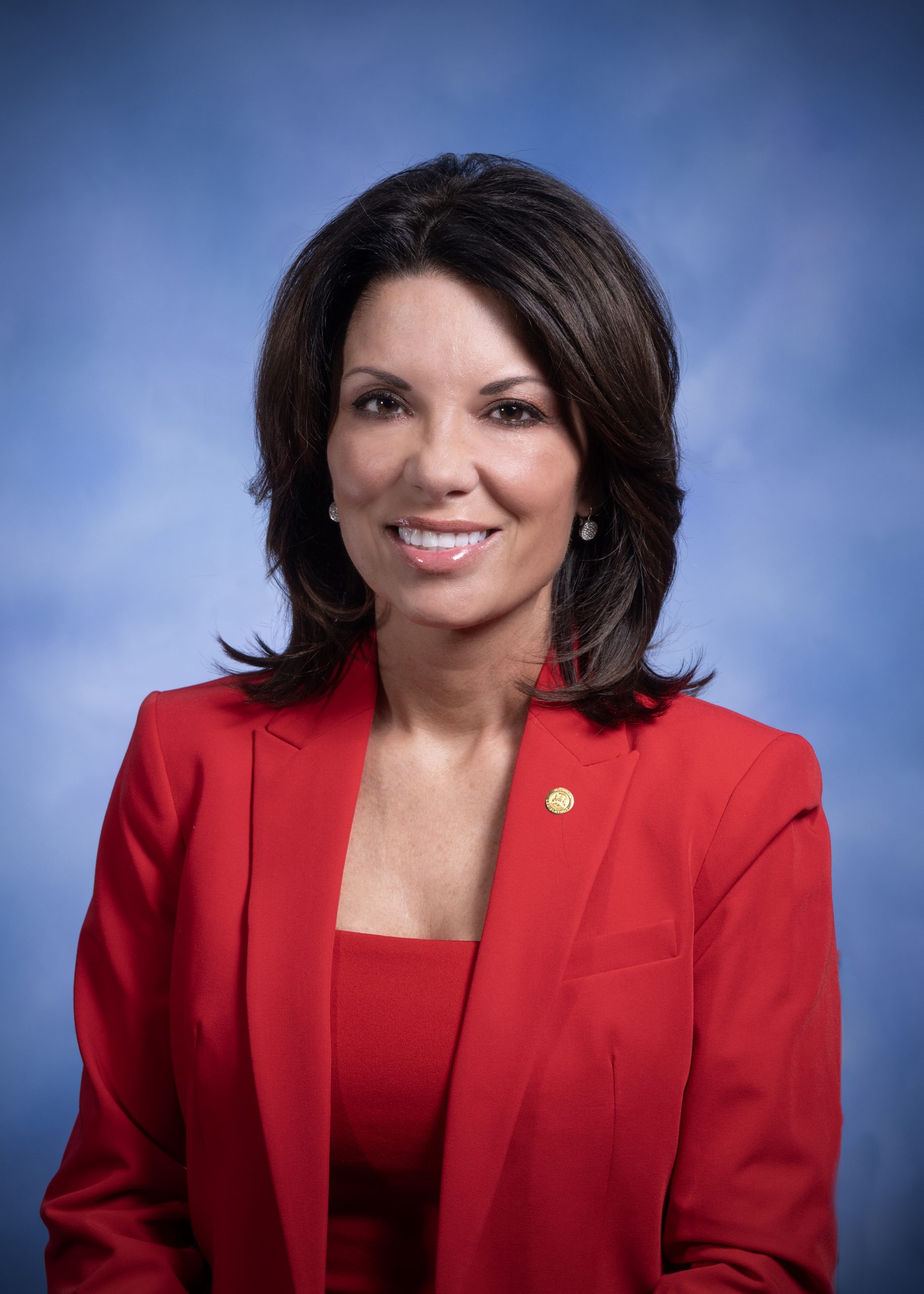
Rep. Angela Rigas
Sponsored bills
Maddy summaryHB 4076 prohibits labeling lab-grown meat substitutes as "meat" and requires sellers to use specific terms like "cell-cultured," "lab-grown," or "cultivated" on product labels. It directly affects manufacturers and retailers selling lab-grown meat alternatives, mandating clear labeling that distinguishes these products from traditional meat. The bill amends Michigan's Food Law to require these terms on sealed packages or bulk displays, ensuring consumers can accurately identify the product type. This policy change focuses on transparent labeling without altering existing requirements for traditional meat products.
Maddy summaryHB 4491 revises the application process for Michigan's critical industry program and other economic development initiatives managed by the Michigan Strategic Fund. It requires businesses seeking state funding to complete a form attesting, under penalty of perjury, that their hiring and promotion practices are based solely on merit, defined by objective criteria like experience and education. False attestations carry a $5,000 civil fine and potential perjury charges. Additionally, the bill outlines specific criteria the fund must consider when awarding investments and mandates detailed terms for agreements with businesses, including job creation targets, performance benchmarks, and clawback provisions for non-compliance.
Maddy summaryHouse Resolution 99 expresses support for President Trump's policies designed to increase domestic potash mining, particularly in Michigan. The resolution specifically backs an executive order that expedites the permitting process for priority mining projects, including the Michigan Potash & Salt Company's mine in Osceola County. This initiative aims to boost the nation's supply of potash, a critical component of fertilizer, and reduce reliance on foreign imports. The resolution states that increased mining operations are intended to create jobs and strengthen Michigan's economy.
Maddy summaryHB 4227 requires every intermediate school district in Michigan to hire at least one emergency and safety manager and one mental health coordinator. The emergency manager coordinates with state and local agencies to prevent safety incidents, conduct risk assessments, and handle safety concerns across schools. The mental health coordinator manages state funding for student mental health services, integrates community resources, and oversees programs like Medicaid billing and behavioral health support. These roles aim to strengthen safety planning and mental health access for all public and nonpublic schools within each district's boundaries.
Maddy summaryHouse Bill 4472 proposes to create the "Developing Effective Policies on Orderly Removal and Transportation (DEPORT) task force" in Michigan. This 15-member task force, appointed by the Speaker of the House, would include state legislators, various law enforcement officers, and local elected officials. Its primary duty is to recommend policies to the legislature that facilitate the deportation of illegal immigrants. The task force would also suggest policies for training local law enforcement on interacting with illegal immigrants and for encouraging cooperation with federal agencies to identify illegal immigrants within the criminal justice system. The task force is temporary, required to submit preliminary and final reports within one year, and then abolished.
Maddy summaryHouse Bill 4475 proposes to amend the Elliott-Larsen Civil Rights Act to prohibit discrimination based on an individual's vaccination status or whether they possess an "immunity passport." It would prevent state or local governmental entities, private universities, and community colleges from denying services, goods, educational opportunities, healthcare, or employment for these reasons. Employers would also be prohibited from discriminating against individuals in hiring, termination, or terms of employment due to vaccination status. The bill includes specific exceptions, such as for certain child care organizations, federal contractors, and regulated entities whose funding depends on compliance with federal health regulations. Additionally, it allows vaccination requirements for employees in roles with direct exposure to infectious materials or in public health/medical settings where vaccinations are necessary for their duties.
Maddy summaryThis bill amends the Natural Resources and Environmental Protection Act to connect hunting and fishing license processes with voter registration. It requires the Department of Natural Resources (DNR) and its authorized license sellers to make voter registration applications available to individuals applying for resident hunting, fishing, or fur harvester's licenses. While these locations must display and may offer the applications, staff are prohibited from assisting with completion or collecting the forms. Additionally, the DNR's website must provide a link to the state's online voter registration application for those applying digitally.
Maddy summaryHouse Bill 4240, titled the "Foreign Influence of Public Bodies Act," aims to regulate interactions between Michigan state and local government bodies and certain foreign entities. It prohibits public bodies from accepting gifts or grants, or entering agreements, with specified "foreign countries of concern" if those interactions compromise the public body's autonomy or pose a security risk. The bill mandates that public bodies disclose gifts or grants of $50,000 or more from any foreign source. Additionally, individuals or entities seeking state grants or contracts exceeding $100,000 must disclose their financial ties to these "foreign countries of concern." All disclosed information will be made publicly available to enhance transparency.
Maddy summaryHouse Bill 4241 prohibits the Michigan Strategic Fund from providing economic incentives, such as grants or loans, to certain "foreign entities." These foreign entities are defined as those owned or controlled by, or having their primary business in, specific countries like China, Russia, Iran, or North Korea. The bill requires applicants for economic incentives to submit an affidavit confirming they are not a foreign entity. Additionally, any person or government entity distributing these incentives must ensure they are not knowingly given to a foreign entity.