

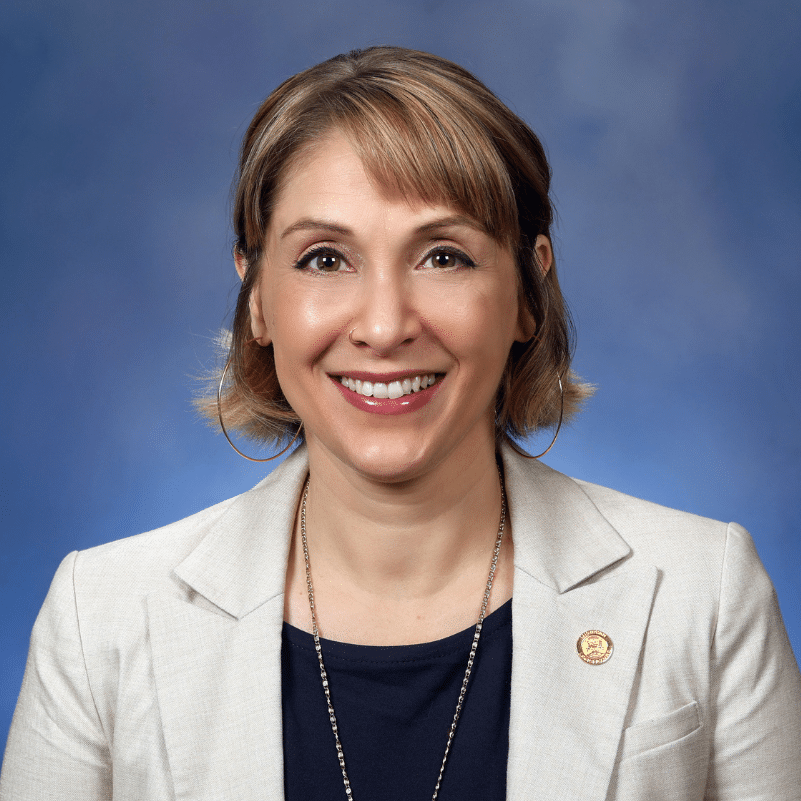
Photo of Emily Dievendorf
D Michigan House · District 77 On the 2026 ballot

Rep. Emily Dievendorf

Compare
Total votes
1,783
all sessions
Attendance
97%
50 missed
Near the chamber average
With party
93%
of cast votes
Lower than 92% of chamber peers
Bipartisan score
4%
crosses aisle rarely
Higher than 91% of chamber peers
Sponsored
1,094
bills & resolutions
Higher than 79% of chamber peers
Committees
2
assignments
1,094 bills and resolutions

Sponsored bills

Total
1,094
Primary
50
Co-sponsor
1,044
This page
1,094
matching current filters
Co-sponsor HB 6114
In committee · Michigan House · Co-sponsor
Agriculture: pesticides; use of herbicides that contain paraquat dichloride; prohibit. Amends 1994 PA 451 (MCL 324.101 - 324.90106) by adding subpt. 3 to pt. 147.

Maddy summaryThis bill prohibits the sale and use of herbicides containing paraquat dichloride in Michigan, with sales banned starting December 1, 2027, and use banned by December 1, 2028. To help farmers transition away from these products, the legislation creates a state fund that will offer grants to cover the costs of switching to alternative herbicides and equipment. The bill also establishes a buy-back program to safely dispose of existing paraquat-containing products and sets a civil fine of up to $10,000 for violations of the new restrictions.

In committee Jun 23, 2026 1 co-sponsor
Co-sponsor HB 6111
In committee · Michigan House · Co-sponsor
Civil rights: other; American Freedmen reparations commission; establish. Creates new act.

Maddy summaryThis bill creates the American Freedmen reparations commission within the Michigan Department of Treasury to study and propose reparations for individuals with ancestors who were enslaved and denied rights due to the Dred Scott decision. The commission will consist of nine members appointed by the governor, legislative leaders, and grassroots organizations, tasked with gathering historical evidence of slavery and discrimination in the state. Its primary duties include analyzing the lasting effects of slavery, recommending data collection methods to track disparities, and submitting a report with findings and recommendations to the legislature within 18 months. The legislation defines reparations broadly to include monetary payments, programs to close the racial wealth gap, and the creation of educational institutions similar to land-grant colleges.

In committee Jun 23, 2026 1 co-sponsor
Co-sponsor HB 6113
In committee · Michigan House · Co-sponsor
State agencies (existing): generally; certain demographic data of individuals; require state agencies and local units of government to collect. Creates new act.

Maddy summaryThis Michigan bill requires state agencies and local governments to collect specific demographic data from individuals they already survey. Starting in 2027, these entities must break down responses for Black, African, and Caribbean populations into three categories: descendants of enslaved Americans, those without enslaved ancestors, and those with unknown or unreported status. The law defines these groups based on ancestry and direct immigration from Africa or the Caribbean, excluding anyone with a history of U.S. enslavement from the African and Caribbean labels. By mandating these subcategories, the legislation aims to provide more granular data on racial heritage within government records.

In committee Jun 23, 2026 1 co-sponsor
Co-sponsor HB 6016
Passed · Michigan House · Co-sponsor
Education: teachers and administrators; interim teaching certification process; modify. Amends sec. 1531i of 1976 PA 451 (MCL 380.1531i).

Maddy summaryHB 6016 modifies Michigan's interim teaching certification process to establish stricter requirements for individuals seeking temporary teaching credentials. The bill mandates that all applicants must hold a degree from an accredited institution, pass subject exams, and complete an intensive training program equivalent to at least 12 college credit hours. A key provision eliminates the ability to grant new interim certificates for special education teaching beginning July 21, 2027, while allowing those currently holding such certificates to continue teaching. Additionally, the law requires school districts to provide intensive observation and coaching to anyone teaching under an interim certificate while they work toward full certification.

Passed Jun 23, 2026 1 co-sponsor
Co-sponsor HB 4026
Passed · Michigan House · Co-sponsor
Use tax: exemptions; sunset date on exemption for firearm safety devices; extend. Amends sec. 4ll of 1937 PA 94 (MCL 205.94ll).

Maddy summaryHB 4026 exempts firearm safety devices from Michigan's sales and use tax through December 31, 2024, directly affecting gun owners purchasing these devices. The bill defines "firearm safety devices" as trigger locks, secure storage containers (like gun safes or lockboxes requiring keys/combinations), but excludes display cases. Retail sellers must provide written notices to buyers and post visible signage at points of sale explaining the tax exemption. This is a temporary measure with a sunset date, not a permanent policy change.

Passed Jun 23, 2026 1 co-sponsor
Co-sponsor HB 4025
Passed · Michigan House · Co-sponsor
Sales tax: exemptions; sunset date on exemption for firearm safety devices; extend. Amends sec. 4ll of 1933 PA 167 (MCL 205.54ll).

Maddy summaryHB 4025 extends Michigan's sales tax exemption for firearm safety devices until December 31, 2024. It defines "firearm safety devices" as equipment (like gun safes, lockboxes, or trigger locks) designed to prevent unauthorized access or operation of firearms, but excludes display cabinets. Retail sellers must provide written notices to purchasers and post conspicuous signage at points of sale about the tax exemption. The bill also requires the state to annually compensate the school aid fund for any revenue lost due to this exemption.

Passed Jun 23, 2026 1 co-sponsor
Co-sponsor HB 6093
In committee · Michigan House · Co-sponsor
Public utilities: electric utilities; engineering audits; require. Amends sec. 10p of 1939 PA 3 (MCL 460.10p) & adds sec. 6y.

Maddy summaryThis bill requires electric utilities in Michigan to hire independent third parties to conduct engineering audits of their distribution systems every five years, with the goal of improving grid reliability and safety. The audits must include a physical inspection of infrastructure and a review of operational processes such as storm restoration and maintenance planning, with all costs paid by the utilities. Additionally, the bill mandates that electric utilities establish programs to help workers transition to new roles during ownership changes, ensuring employees receive comparable wages and benefits for at least 30 months. The Public Service Commission will compile reports on these audits to inform decisions on rates and grid planning.

In committee Jun 17, 2026 1 co-sponsor
Primary HB 6089
In committee · Michigan House · Lead sponsor
Housing: landlord and tenants; requirements for notice of rent increases; provide for. Amends sec. 4 of 1978 PA 454 (MCL 554.634).

Maddy summaryThis bill amends Michigan's Truth in Renting Act to require landlords to include a specific written notice in rental agreements regarding rent increases. The law mandates that landlords provide tenants with at least 90 days' written warning before any rent hike takes effect. Additionally, the bill updates the required text on rental contracts to ensure tenants are clearly informed of their rights under the act and instructed to seek legal help if needed. These changes directly affect landlords and tenants by standardizing how rent increase notices are communicated and ensuring they are prominently displayed in lease documents.

In committee Jun 17, 2026 0 co-sponsors
Primary HB 6086
In committee · Michigan House · Lead sponsor
Housing: landlord and tenants; purchase of rental property by tenants; provide for. Creates new act.

Maddy summaryThis bill, known as the Tenant Opportunity to Purchase Act, would allow tenants in Michigan to get the first chance to buy their rental homes or apartments before the landlord sells them to someone else. It requires landlords to offer the property to tenants at a price and terms that are at least as good as what a third-party buyer would get, or comparable to the property's appraised value if no other offer exists. The law applies to various types of rental units, including apartments and single-family homes, but excludes hotels, motels, and vacation rentals. Tenants can exercise this right individually or by forming an association representing a majority of the tenants in the building.

In committee Jun 17, 2026 0 co-sponsors
Primary HB 6088
In committee · Michigan House · Lead sponsor
Labor: collective bargaining; tenants right to organize; provide for. Creates new act.

Maddy summaryThis bill establishes the "Tenants Right to Organize Act" in Michigan, granting residential tenants the legal right to form unions and collectively negotiate with landlords. It allows tenant groups to distribute literature, hold meetings in shared spaces, and organize canvassing efforts by non-tenant organizers, while prohibiting landlords from retaliating against tenants who participate in these activities. The legislation also sets specific penalties for landlords who interfere with organizing rights, including fines of up to $1,000 per violation and the requirement to pay reasonable attorney fees. By defining terms like "tenant union" and outlining permissible activities, the law aims to create a structured framework for collective bargaining within rental properties.

In committee Jun 17, 2026 0 co-sponsors
Showing 51 to 60 of 1,094 bills
Previous 1 … 5 6 7 … 110 Next