

Maddy summaryThis bill allows Michigan school districts to use a design-build method for constructing or remodeling certain school buildings, where a single entity handles both design and construction services. It defines specific requirements for this process, such as the need for an independent licensed architect or engineer to help select the design-build team and ensure the project scope is clear. Additionally, the law mandates that rules be created to regulate the inspection and reuse of modular classrooms when they are relocated. The bill also establishes penalties for individuals who violate these new construction and supervision standards.
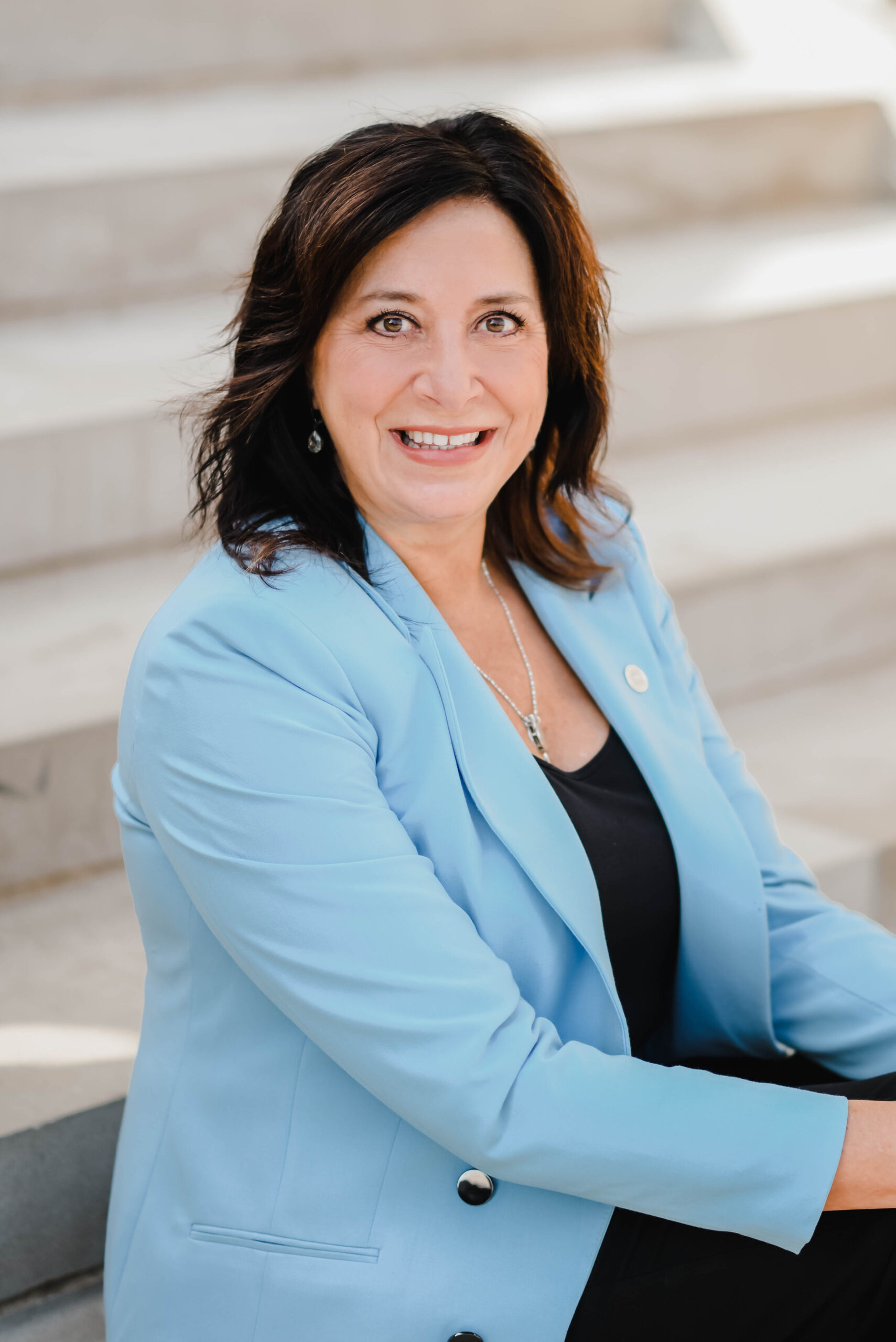
Rep. Angela Witwer
Sponsored bills
Maddy summaryThis resolution officially designates June 2024 as National Post-Traumatic Stress Disorder Awareness Month within the state of Michigan. The measure aims to raise public understanding of PTSD, an anxiety disorder that impacts millions of Americans, and encourages citizens to support those affected by the condition. By declaring this specific month, the bill seeks to reduce the stigma surrounding the disorder and highlight the availability of effective treatments like therapy and medication. It serves as a symbolic gesture to promote awareness rather than implementing new laws or funding programs.
Maddy summaryHB 5506 establishes the budget for the Michigan Department of Education for the fiscal year ending September 30, 2025. The bill allocates approximately $167.8 million in total funding from sources including the state general fund, federal revenues, and various fees to support school operations, special education services, and administrative functions. Specific provisions include funding for the State Board of Education, technology services, and programs for students who are deaf or blind. This legislation provides the financial resources necessary for the department to carry out its duties during the upcoming fiscal year.
Maddy summaryHB 5505 allocates state funds for Michigan's public universities for the 2024-2025 fiscal year, directly affecting institutions like Michigan State University, Central Michigan University, and others. The bill establishes a total gross appropriation of approximately $2.29 billion, drawing primarily from the state general fund and federal revenues to cover operational costs, per-student funding, and specific research programs. It amends existing sections of the State School Aid Act to update financial figures and repeal previous acts, ensuring the budget reflects current funding levels for each university.
Maddy summaryHB 5514 provides funding for the Michigan Department of Licensing and Regulatory Affairs for the 2024-2025 fiscal year. The bill allocates approximately $636 million to cover departmental operations, including salaries for over 1,800 employees and administrative support. These funds come from various sources, such as fees collected from regulated industries like liquor licenses, marijuana registries, and public utilities, as well as federal grants and state general funds. Additionally, the legislation appropriates money for the Public Service Commission and the Liquor Control Commission to support their respective regulatory duties.
Maddy summaryHB 5502 allocates approximately $2.06 billion in funding to the Michigan Department of Labor and Economic Opportunity for the 2024-2025 fiscal year. The bill details specific budget amounts for departmental operations, workforce development programs, and rehabilitation services for individuals with disabilities. Funding sources include federal revenues, state general funds, and various special revenue streams such as unemployment insurance and occupational safety fees. This legislation authorizes the expenditure of these resources to support the department's statutory responsibilities during the specified period.
Maddy summaryHB 5517 provides the Michigan State Transportation Department with funding for the fiscal year ending September 30, 2025, totaling approximately $6.86 billion. The bill allocates money for employee salaries, debt service on various transportation projects like the State trunkline and Blue Water Bridge, and administrative support services. It also distributes specific grants to other state agencies, including the Department of Treasury and the Department of State Police, to assist with collection and enforcement efforts. This legislation creates a budget act that authorizes the expenditure of these funds from sources such as the State general fund, federal revenues, and special revenue funds.
Maddy summaryHB 5504 allocates $549.5 million in state funds to Michigan community colleges for the 2024-2025 fiscal year. The bill specifies exact dollar amounts for operations, performance funding, and North American Indian tuition waiver costs for each participating college. By amending the State School Aid Act, it updates the financial records to reflect these specific budget allocations for the upcoming year.
Maddy summaryThis bill authorizes funding for the Michigan Department of Environment, Great Lakes, and Energy for the fiscal year ending September 30, 2025. It allocates approximately $1.07 billion in total appropriations, which includes money from the state general fund, federal revenues, and various specific fees and restricted state funds. The legislation details how these resources will be distributed to support departmental administration, water resources management, and numerous environmental programs. By establishing these financial limits and sources, the bill enables the department to carry out its regulatory and operational duties during the specified period.
Maddy summaryThis bill establishes the budget for Michigan's Department of Health and Human Services for the fiscal year 2024-2025. It allocates approximately $37.7 billion from various state and federal sources to fund essential services such as child welfare, child support enforcement, and community outreach programs. The legislation specifies funding amounts for administrative operations, employee positions, and specific initiatives like homeless assistance and weatherization grants. By creating this appropriation act, the bill ensures the department has the necessary financial resources to operate and deliver its programs during the designated fiscal period.