

Maddy summaryThis bill proposes to designate the AR-15 rifle as the official state rifle of Michigan. It achieves this by adding a single line to the state code that formally recognizes the firearm under this specific title. The legislation does not alter existing laws regarding gun ownership, sales, or use, nor does it create new regulations. Its primary effect is symbolic, aiming to establish the AR-15 as a recognized symbol of the state rather than changing practical policy.
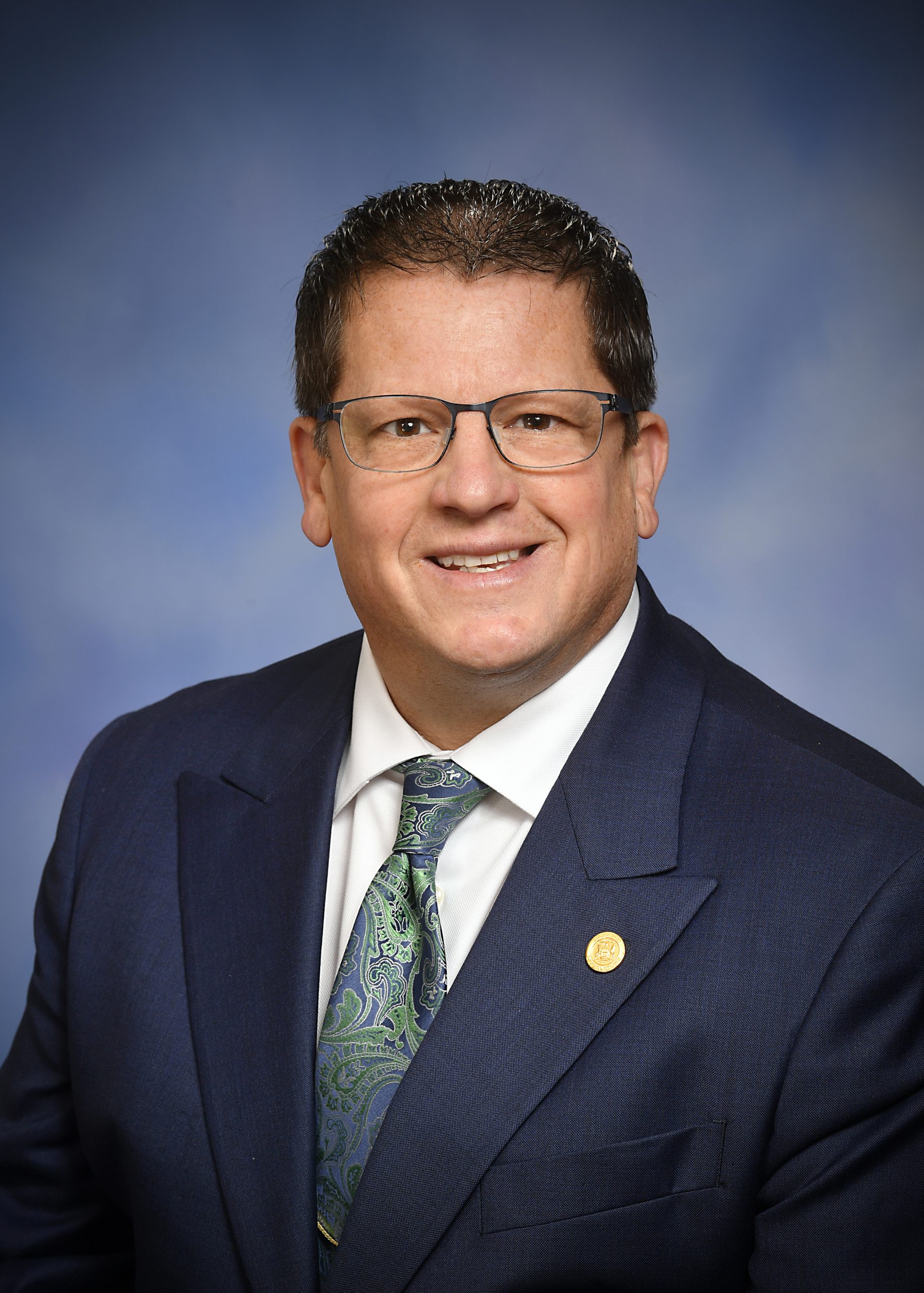
Rep. Brian BeGole
Sponsored bills
Maddy summaryThis bill adds a new legal definition for "vulnerable transportation device" to the Michigan Vehicle Code. It classifies human-powered vehicles, electric bikes, electric skateboards, and electric personal assistive mobility devices as vulnerable transportation devices. The law is designed to work in conjunction with related bills that establish traffic rules for these vehicles. If the other linked bills are not passed, this specific definition will not take effect.
Maddy summaryThis bill amends Michigan's criminal code to increase penalties for moving violations that result in physical injury or death to vulnerable roadway users, such as pedestrians and cyclists. It specifically raises the severity of charges and potential prison sentences for accidents occurring in work zones or school bus areas, as well as for incidents involving operators of farm equipment. The legislation requires the simultaneous passage of three companion bills to take effect, ensuring a coordinated approach to strengthening accountability for traffic offenses involving vulnerable road users.
Maddy summaryThis bill urges the U.S. Secretary of Homeland Security to remove Chile from the Visa Waiver Program, which currently allows Chilean citizens to enter the United States for tourism or business without a visa or in-person interview. The proposal cites recent allegations that some Chilean nationals have used this program to commit crimes, such as residential burglaries and thefts, in the United States. By requesting the suspension or termination of Chile's participation, the bill aims to restore stricter entry requirements, including biometric screening and criminal background checks, for travelers from that country. The resolution directs the relevant government officials to evaluate whether Chile's continued presence in the program poses a threat to national security or law enforcement interests.
Maddy summaryThis resolution designates May 23, 2024, as Stop the Bleed Day throughout Michigan to raise awareness about hemorrhage control. The measure highlights the importance of bystanders using tourniquets or direct pressure to stop life-threatening bleeding before emergency responders arrive. By officially recognizing this date, the bill aims to encourage citizens and public venues like schools and businesses to participate in training and stock bleeding control kits.
Maddy summaryThis bill creates a new state program to partner with a private company for manufacturing and distributing insulin within Michigan to address rising costs and improve access for residents with diabetes. The state will provide up to $50 million in grants to help a selected contractor build or renovate facilities, provided the company owns the property and prioritizes creating local jobs. The program specifically seeks a partner that can produce both long-acting and rapid-acting insulin and must secure approval from the federal government regarding foreign investment before proceeding.
Maddy summaryThis bill expands the definition of authorized emergency vehicles in Michigan to include vehicles owned by federally recognized nonprofit charitable organizations and the Michigan Mutual Aid Box Alarm System when operating during emergencies. It also clarifies that road service vehicles assisting disabled cars are considered emergency vehicles if they display specific flashing red or amber lights. Additionally, the legislation updates the rules for which vehicles can use flashing amber, green, or purple lights, specifically allowing these lights for ice and snow removal, spill cleanup, and funeral processions under certain conditions. These changes aim to ensure that a broader range of first responders and support vehicles have the legal authority to use emergency lighting while responding to critical situations.
Maddy summaryHB 5342 creates a specific exception to Michigan's commercial driver license requirements for authorized emergency vehicles participating in the state's Mutual Aid Box Alarm System. This bill allows drivers of these emergency vehicles to operate without the standard commercial license designations or endorsements typically required for heavy trucks and large vehicles. The change directly affects emergency response personnel who may need to drive large apparatus during mutual aid operations without holding a full commercial license. By amending the Michigan Vehicle Code, the legislation clarifies that these authorized emergency vehicles are exempt from the usual testing and licensing rules applied to commercial motor vehicle operators.
Maddy summaryThis bill allocates up to $1.4 million from the state school aid fund to help Michigan school districts train teachers in the Orton-Gillingham method, a specific instructional approach designed for students with reading difficulties. The funding is designated for the 2023-2024 fiscal year, with any unspent money carried forward until the project is estimated to be completed by September 30, 2026. A key provision states that this bill will only become effective if a related companion bill, HB 5135, is also enacted into law.
Maddy summaryThis bill amends Michigan's Social Welfare Act to restrict eligibility for state-funded services and grants to only U.S. citizens and qualified aliens. It defines "qualified alien" using the same federal standard found in 8 USC 1641, which generally includes specific categories of immigrants such as refugees and asylees. Consequently, individuals who do not meet these citizenship or immigration status requirements would be prohibited from receiving assistance under this act, unless a specific federal law provides an exception.