

Maddy summaryThis bill updates Michigan's firearm licensing laws by modernizing references to other statutes and clarifying requirements for obtaining a license to purchase, carry, possess, or transport firearms. It directly affects individuals seeking firearm licenses, law enforcement agencies issuing those licenses, and the Department of State Police administering the program. The key provision requires licensing authorities to issue licenses to qualified applicants without unnecessary delay, while specifying that applicants must meet criteria such as being at least 18 or 21 years old, being a legal Michigan resident, and not being subject to certain protective orders or mental health restrictions. The bill also maintains existing rules prohibiting unlicensed firearm transactions and outlines procedures for licensing military personnel returning to Michigan.
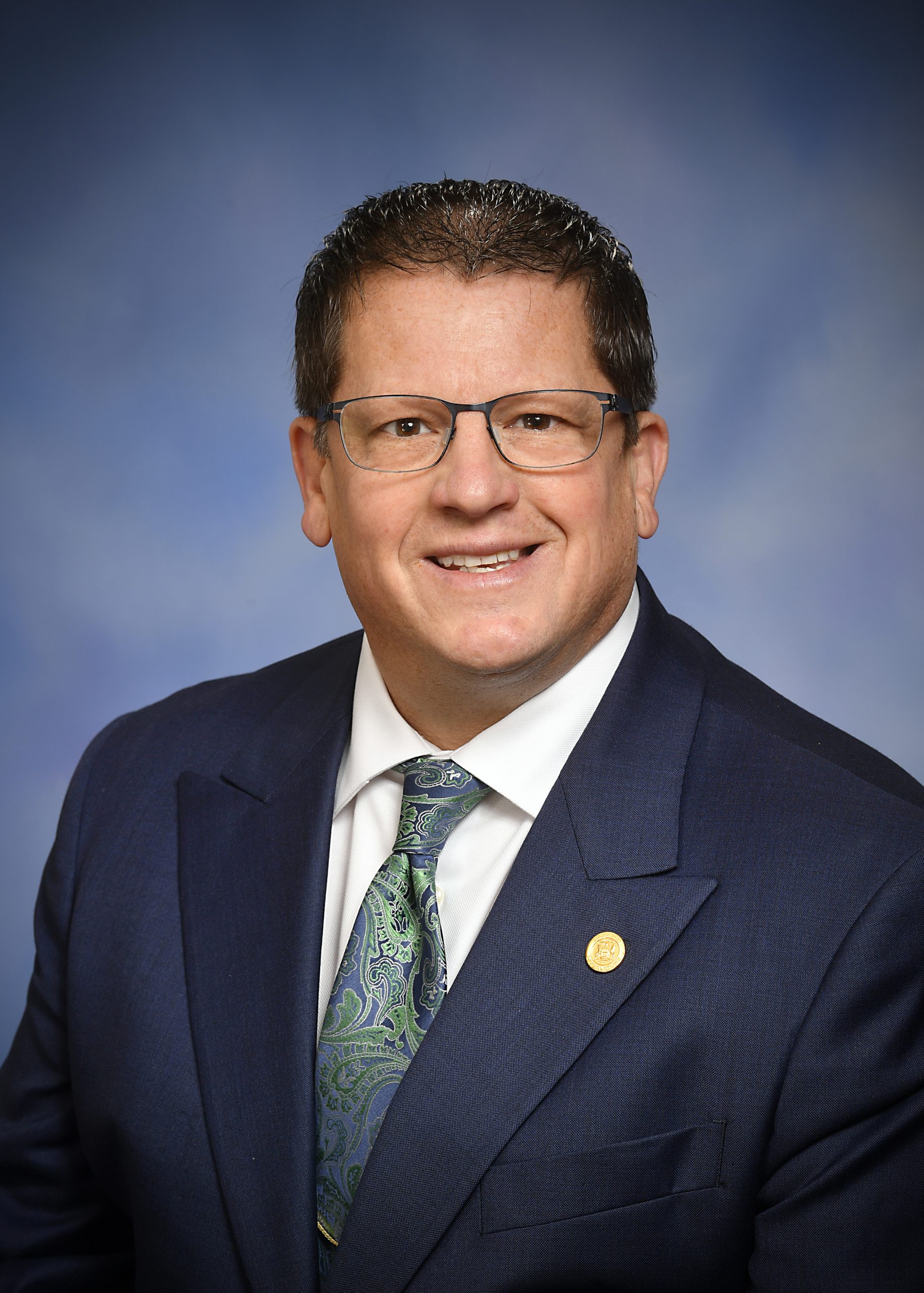
Rep. Brian BeGole
Sponsored bills
Maddy summaryThis bill updates the Natural Resources and Environmental Protection Act to clarify firearm transport rules for individuals in areas frequented by wild animals. It maintains the requirement that hunters generally need a license to carry firearms in wildlife areas but explicitly allows licensed concealed pistol carriers and those with specific legal exemptions to transport loaded pistols. The bill also clarifies that these transport provisions do not authorize individuals to hunt wild animals without proper hunting licenses.
Maddy summaryThis bill updates legal references in Michigan's Corrections Code to align with current criminal statutes, specifically modernizing citations for various firearm-related offenses. It directly affects prisoners convicted of crimes listed in the bill, such as those involving illegal possession or use of firearms, by clarifying the legal sections they are subject to under parole eligibility rules. The bill does not change parole eligibility requirements themselves but ensures the referenced criminal codes are correctly cited in the corrections law. It includes a provision that requires another related bill to pass first before this update takes effect.
Maddy summaryHB 5572 modifies Michigan's property tax exemption rules to expand eligibility for certain nonprofits. It adds a new exemption for conservation organizations maintaining nature areas open to the public for activities like hiking and bird watching. The bill also clarifies that nonprofits providing healthcare services (such as nursing homes, skilled nursing facilities, or adult foster care) qualify for tax exemptions if they meet specific licensing requirements. This change directly affects nonprofit hospitals, educational institutions, conservation groups, and healthcare providers seeking property tax relief.
Maddy summaryHB 5573 expands property tax exemptions for specific nonprofit organizations in Michigan. It adds new exemptions for conservation land held by qualified nonprofit groups (like nature preserves open for public recreation) and clarifies exemptions for nonprofit hospitals, skilled nursing facilities, and educational institutions. The bill specifies detailed requirements for organizations to qualify, such as perpetual land preservation for conservation groups and licensing for healthcare facilities. These changes directly affect qualifying nonprofits, conservation organizations, and healthcare providers by allowing them to exclude certain properties from local property taxes. The bill refines existing tax exemption rules without creating new tax rates or funding mechanisms.
Maddy summaryThis bill amends definitions within Michigan's Tax Increment Financing Act but does not describe substantive policy changes in the provided text. It revises terms like "alternative energy technology," "certified alternative energy park," and "captured assessed value" used in economic development financing. The context includes definitions but does not specify new mechanisms, affected entities, or concrete policy modifications. Without details on how these definitions will change implementation or outcomes, a policy-focused summary cannot be provided. The bill is currently in committee referral with no further action documented.
Maddy summaryHB 5219 would allow direct farm-to-consumer sales of raw milk and raw milk products in Michigan by amending the Food Law. It defines "direct farm-to-consumer product" to explicitly include raw milk meeting requirements under the 2001 Manufacturing Milk Law, enabling farmers to sell these products directly to consumers on their property. The bill adds new sections (4102a and 4102b) to establish this sales pathway while maintaining existing pasteurization requirements for other sales. This change directly affects farmers producing raw milk and consumers purchasing it directly from farms, without altering commercial milk sales rules.
Maddy summaryHB 5217 would allow direct farm-to-consumer sales of raw (unpasteurized) milk and milk products by dairy producers who comply with specific safety standards under Michigan's Food Law (2000). It amends existing milk regulations to explicitly permit this sale method, provided producers meet requirements in Section 4102a of the Food Law and adhere to the definition of "direct farm-to-consumer producer" from the Food Law. This change affects small dairy farms selling directly to consumers, not restaurants or grocery stores, and maintains existing pasteurization requirements for all other milk sales. The bill requires compliance with state safety protocols but does not alter pasteurization rules for commercial distribution.
Maddy summaryHB 5535 would allow plumbing inspectors to provide plumbing services without violating state law. Currently, plumbing inspectors (registered under Article 10) are prohibited from engaging in the plumbing business, such as installing pipes or selling materials, due to potential conflicts with their inspection duties. The bill amends Section 1123 of Michigan's Skilled Trades Regulation Act to remove this prohibition, permitting inspectors to work for or own plumbing businesses. This change directly affects local plumbing inspectors who wish to operate in both roles simultaneously.
Maddy summaryHB 5543 increases the annual funding for grade crossing surface improvements from $3 million to $6 million per year by amending Section 10(1)(b) of Michigan's Transportation Fund Act (MCL 247.660). This change directs more state transportation funds toward safety and surface repairs at railroad crossings - locations where roads intersect train tracks - across Michigan. The bill specifically adjusts the allocation within the state trunk line fund, ensuring doubled resources for maintaining these critical infrastructure points. It does not alter other funding mechanisms but directly affects how money is distributed for grade crossing safety upgrades.