

Maddy summaryHB 4687 requires all Michigan public school districts and public school academies to incorporate one unit of age-appropriate Black history and one unit of Indigenous People history into their history curriculum starting in the 2027-2028 school year. The bill mandates coverage of historical contributions, discriminatory policies, and civil rights advancements by these communities, while requiring instructional materials to align with state standards and include input from cultural centers and experts. Schools must ensure this instruction is inclusive for all students, including those with disabilities and English language learners, and avoid any bias or discrimination. The law allows flexibility for schools to integrate these units into existing lesson plans rather than creating new courses.
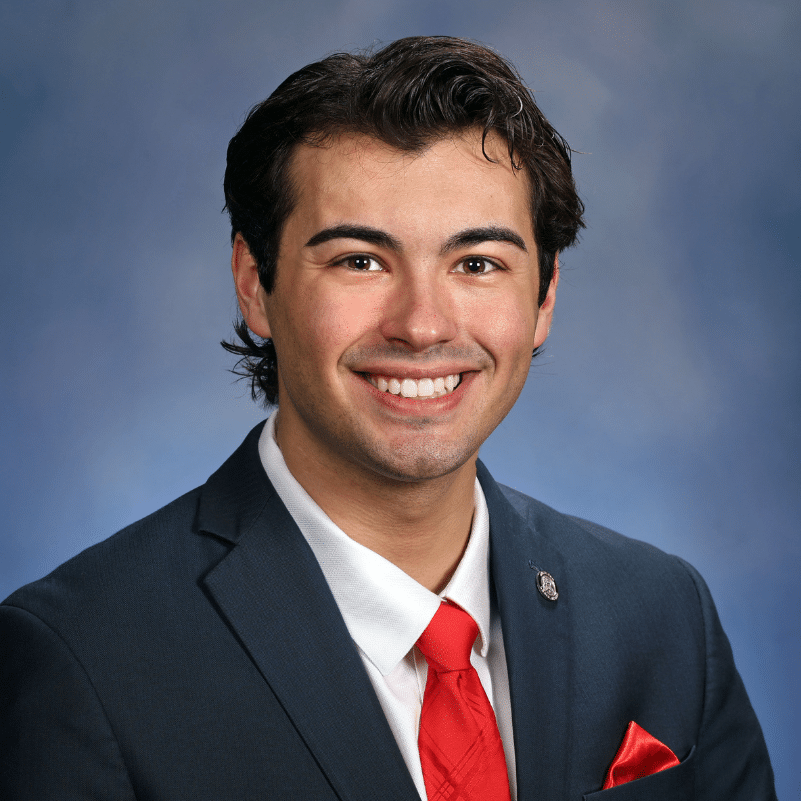
Rep. Jaz Martus
Sponsored bills
Maddy summaryHB 4688 requires Michigan public schools to provide cultural competency training for all educators and school staff starting in the 2027-2028 school year. The state must develop resources covering diversity, cultural identity, historic contributions of multiple cultural groups, and implicit bias (with expert input) by June 2027. Educators must complete this training as part of professional development, while non-educator staff must receive similar training but are exempt from history-focused content. This bill directly affects all public school districts, intermediate school districts, and public school academies in Michigan.
Maddy summaryHB 4675 requires Michigan's education department to develop and share a list of optional cursive handwriting instruction programs for public schools by June 2027. Starting in the 2026-2027 or 2027-2028 school year, school districts and public school academies are encouraged - but not required - to incorporate one of these model programs into their curriculum. The bill aims to support schools in meeting existing credit requirements under Michigan’s merit standards by offering cursive instruction as a voluntary option. It directly affects Michigan public schools by providing resources for optional handwriting education, without mandating changes to current standards.
Maddy summaryHB 4263 prohibits sellers from using automated programs to bypass purchase limits during online ticket sales for concerts, sports events, and other public entertainment events requiring admission fees. It bans circumventing security systems that enforce ticket limits, electronic queues, or fraud checks, targeting practices like bot-driven bulk purchases. The law directly affects ticket sellers (who must implement these security measures) and buyers attempting to use automated tools to bypass restrictions. This creates new requirements for online ticket sales to ensure fair access to event tickets.
Maddy summaryHR 138 is a symbolic resolution introduced by Michigan House representatives to declare June 2025 as Lesbian, Gay, Bisexual, Transgender, and Queer Pride Month in the state. It does not create new laws or policies but formally recognizes the historical significance of LGBTQ+ rights movements, including the Stonewall Riots and key legal victories like Obergefell and Bostock. The resolution aims to affirm Michigan's support for LGBTQ+ communities and their contributions to the state's cultural and economic vitality. This declaration directly affects all Michiganders by officially honoring Pride Month through state-level recognition.
Maddy summaryThis resolution urges Congress, the President, and the Health and Human Services Secretary to ensure all Americans can access free COVID-19 vaccines regardless of income, insurance, or immigration status. It highlights ongoing challenges like expired federal funding and misinformation that have created unequal vaccine access since the pandemic began. As a non-binding resolution, it does not change policy but calls for action to maintain universal vaccine availability as a public health priority.
Maddy summaryThis House resolution (HR 132) urges the federal government to reinstate the U.S. Refugee Admissions Program (USRAP), which was suspended indefinitely by President Trump's January 2025 executive order. It directly affects refugees currently blocked from entering the U.S. due to the suspension, citing court challenges and a 2024 report noting refugees undergo the most rigorous screening of any immigrant group. The resolution does not create new law but formally requests federal action to resume refugee admissions. It was introduced on June 12, 2025, and referred to the Committee on Government Operations.
Maddy summaryThis resolution declares June 12, 2025, as "Black Men Awareness Day" in Michigan. It is a symbolic recognition meant to honor Black men's contributions to Michigan's history, culture, and communities. The resolution does not create new laws, policies, or funding mechanisms - it solely establishes a designated day for awareness. It directly affects Michigan residents through this official state acknowledgment. The bill was introduced and adopted by the Michigan House of Representatives on June 12, 2025.
Maddy summaryHB 4639 modifies Michigan's statute of limitations for groundwater contamination cases involving hazardous substances. It specifies that legal claims for damages accrue when a plaintiff discovers the contamination or should have discovered it, rather than when the contamination initially occurred. This change directly affects individuals or communities suing over groundwater pollution from sources like industrial leaks or spills. The provision aims to give plaintiffs more time to pursue claims once they become aware of the harm, aligning the timeline with actual discovery of the issue.
Maddy summaryHB 4641 would remove a prohibition preventing dark sky preserves in Michigan's Upper Peninsula. The bill amends Section 75102 of the Natural Resources and Environmental Protection Act to eliminate subsection (2), which currently bans such preserves in that region. This change would allow local governments and park authorities in the Upper Peninsula to establish dark sky preserves on public lands, aligning with existing designations elsewhere in Michigan. The bill does not create new preserves but removes a barrier to future designations in the Upper Peninsula.