

Maddy summaryHB 6038 authorizes the Michigan State Transportation Department to lease state-owned property at specific international border crossings, including the Gordie Howe International Bridge in Detroit, for commercial and noncommercial uses. The bill permits the installation of vending machines, customs brokering facilities, and electronic devices that provide travel information to motorists at these sites and other limited access highways. Any revenue generated from these leases and agreements must be deposited into the State Trunk Line Fund or a designated fund for the Sault Ste. Marie bridge. Additionally, the legislation allows for logo signage on highways and the distribution of free travel assistance at rest areas and welcome centers.
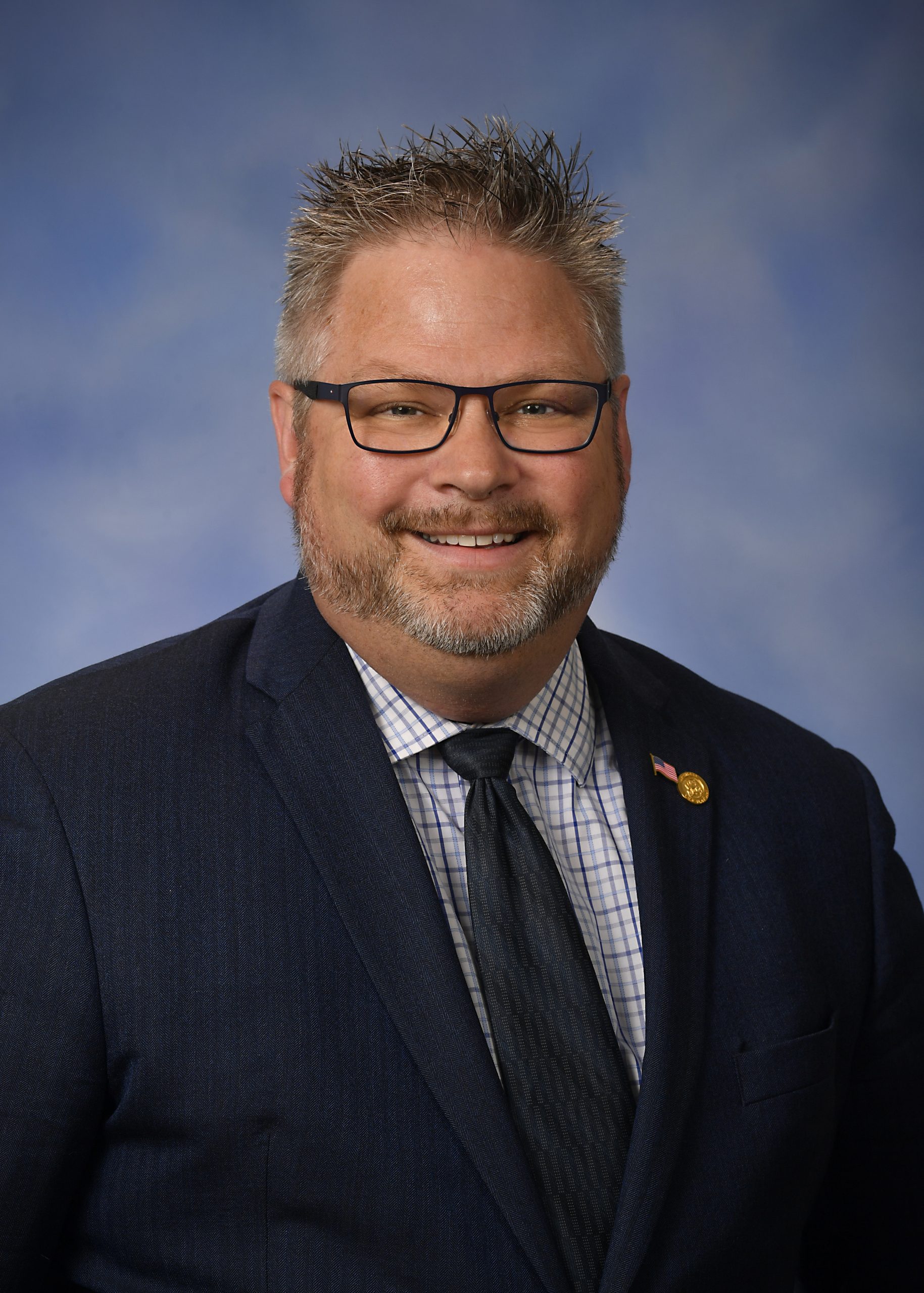
Rep. Phil Green
Sponsored bills
Maddy summaryThis bill requires the Michigan Unemployment Agency to get approval from both houses of the state legislature before making specific changes to its operations. Under the new rules, the agency cannot move staff between divisions, cancel the waiting period for first unemployment payments, or remove computer systems designed to detect potential fraud. These systems currently flag claims based on factors like blacklisted email addresses, out-of-state addresses, or duplicate information such as shared bank accounts and IP addresses. Essentially, the legislation ensures that significant shifts in how the agency manages its workforce or verifies claimants must be explicitly authorized by lawmakers first.
Maddy summaryThis bill expands the definition of authorized emergency vehicles in Michigan to include vehicles owned by federally recognized nonprofit charitable organizations and the Michigan Mutual Aid Box Alarm System when operating during emergencies. It also clarifies that road service vehicles assisting disabled cars are considered emergency vehicles if they display specific flashing red or amber lights. Additionally, the legislation updates the rules for which vehicles can use flashing amber, green, or purple lights, specifically allowing these lights for ice and snow removal, spill cleanup, and funeral processions under certain conditions. These changes aim to ensure that a broader range of first responders and support vehicles have the legal authority to use emergency lighting while responding to critical situations.
Maddy summaryHB 5342 creates a specific exception to Michigan's commercial driver license requirements for authorized emergency vehicles participating in the state's Mutual Aid Box Alarm System. This bill allows drivers of these emergency vehicles to operate without the standard commercial license designations or endorsements typically required for heavy trucks and large vehicles. The change directly affects emergency response personnel who may need to drive large apparatus during mutual aid operations without holding a full commercial license. By amending the Michigan Vehicle Code, the legislation clarifies that these authorized emergency vehicles are exempt from the usual testing and licensing rules applied to commercial motor vehicle operators.