

Maddy summaryThis bill amends Michigan's 2001 Manufacturing Milk Law to explicitly permit the sale of raw milk and raw milk products under the existing regulatory framework. It directly affects dairy producers and sellers who currently cannot legally sell these items under the law's current restrictions. The key change adds new Section 70a and revises Sections 111 and 136 to allow such sales while maintaining the law's overall structure. The bill updates the legal language to align with current market practices without creating new safety standards or requirements.
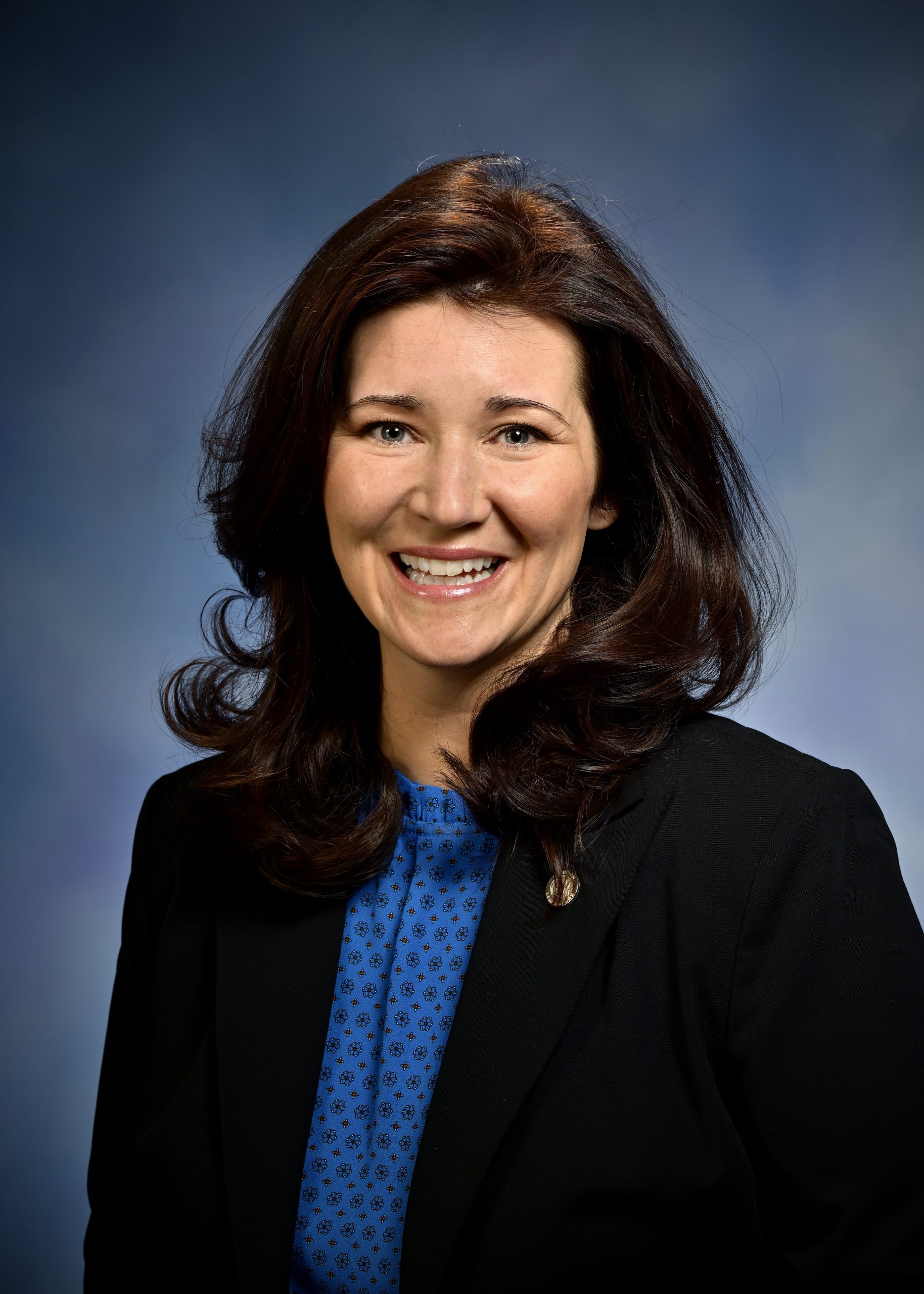
Rep. Jaime Greene
Sponsored bills
Maddy summaryHB 4692 creates a new license for "secondary school facilities" that provide cosmetology training in separate classroom settings, directly affecting cosmetology schools and their associated training locations. These facilities must not offer public services or contain equipment like hair-drying chairs, must be staffed by licensed instructors with 3+ years' experience, and require detailed floor plans and department inspections. License holders must display their license and instructor credentials visibly, and the license becomes void if ownership changes or the location shifts, requiring a new application. The bill also mandates the department to create implementing rules within 18 months of enactment.
Maddy summaryHB 5207 updates licensing requirements for barber and cosmetology instructors in Michigan. It increases the required instructor training hours from 500 to 600 for cosmetology instructors (effective July 1, 2024) and from 600 to 900 hours for barber instructors. The bill also clarifies that prior experience cannot waive requirements like high school diplomas or exams. These changes directly affect individuals seeking to become licensed instructors in these fields.
Maddy summaryHB 4919 modifies Michigan's Skilled Trades Regulation Act to help certain licensed professionals clear disciplinary records related to continuing education violations. It requires the licensing department to automatically remove citations for failing continuing education from a person's record 4 years after issuance (starting January 1, 2026), or if the person provides proof they completed the required education. Licensees who have such citations removed may state that no citation exists for that matter. This affects licensed individuals (like contractors or healthcare professionals) who received disciplinary notices for incomplete continuing education. The bill creates a clear, time-bound process for record removal without requiring additional disciplinary action.
Maddy summaryHB 4486 prohibits Michigan municipalities from banning natural gas use or the installation of natural gas infrastructure, directly affecting cities, towns, counties, and townships. The bill makes any local ordinance, resolution, or policy that restricts natural gas use or infrastructure void and unenforceable starting from its effective date. It specifically targets bans on residential, commercial, or industrial natural gas applications and related infrastructure like pipelines. This legislation ensures that local governments cannot block natural gas services or new installations within their jurisdictions.
Maddy summaryHB 4401 removes the expiration date for Michigan's annual pheasant hunting license requirement, which was set to end on January 1, 2026. The bill maintains the current $25 fee for the license and keeps existing exemptions, such as for hunters on private land (outside hunting access programs), at licensed preserves, in the Upper Peninsula, or holding lifetime licenses. It also preserves the existing funding mechanism, directing license fees into a dedicated pheasant subaccount for purchasing and releasing pheasants on state land. The change ensures the licensing rule remains in effect indefinitely without altering other provisions of the law.
Maddy summaryHB 4262 empowers Michigan's attorney general to investigate and enforce violations of the state's Event Online Ticket Sales Act. It directly affects online ticket sellers who misrepresent ticket prices, availability, or fees. Key provisions include imposing civil fines of up to $5,000 per violated ticket, allowing the attorney general to seek court injunctions against ongoing violations, and enabling recovery of fines and restitution. The bill adds enforcement tools to the existing ticket sales law without changing the underlying consumer protections.
Maddy summaryHB 4122 amends Michigan's food code to clarify requirements for cottage food operations, which are small-scale home-based businesses making non-potentially hazardous foods like baked goods and jams. The bill specifically updates definitions in Section 1105 to clarify rules about nonnutritive substances in confectionery products (e.g., candy), ensuring such substances must serve a functional purpose and not deceive consumers. It modifies existing safety standards to specify that nonnutritive objects embedded in candy must not make the product unsafe or misleading. These changes directly affect Michigan cottage food businesses and their compliance with labeling and safety regulations.
Maddy summaryHB 4285 requires Michigan schools to offer firearm safety instruction for students in grades 6-12 by September 2025. The state must create a model program (based on existing hunter safety standards) covering safe handling, cleaning, firearm types, and hunting practices, taught by certified instructors - **without bringing firearms into school buildings**. Schools may offer this as an optional extracurricular class or integrate it into existing courses, and students or parents may opt out without penalty. Completing the program counts toward the hunter safety certification needed for a hunting license. The bill directly affects all Michigan public schools and students in grades 6-12.
Maddy summaryThis bill allows Macomb Community College to obtain a special license for selling alcohol at its Sports and Expo Center Complex during regularly scheduled events. The college's governing board would receive this license from the Liquor Control Commission, bypassing standard quota limits. Alcohol sales would be restricted to scheduled conference activities only, prohibiting sales to unscheduled patrons or at unplanned events. This expands alcohol service options for college-hosted events at Macomb's venue under specific, controlled conditions.