

Maddy summaryHB 4035 requires counties with populations over 1 million that violate sewage discharge permits to create and implement a plan reducing average sewage overflows by 50% within 5 years. The plan must be submitted within one year of the first violation and approved by the state environmental department within 180 days. Counties failing to submit or complete the plan face monthly fines up to $1 million and potential permit denial for sewage operations. This bill directly affects large urban counties with sewage infrastructure issues, aiming to reduce pollution through enforceable reduction targets.
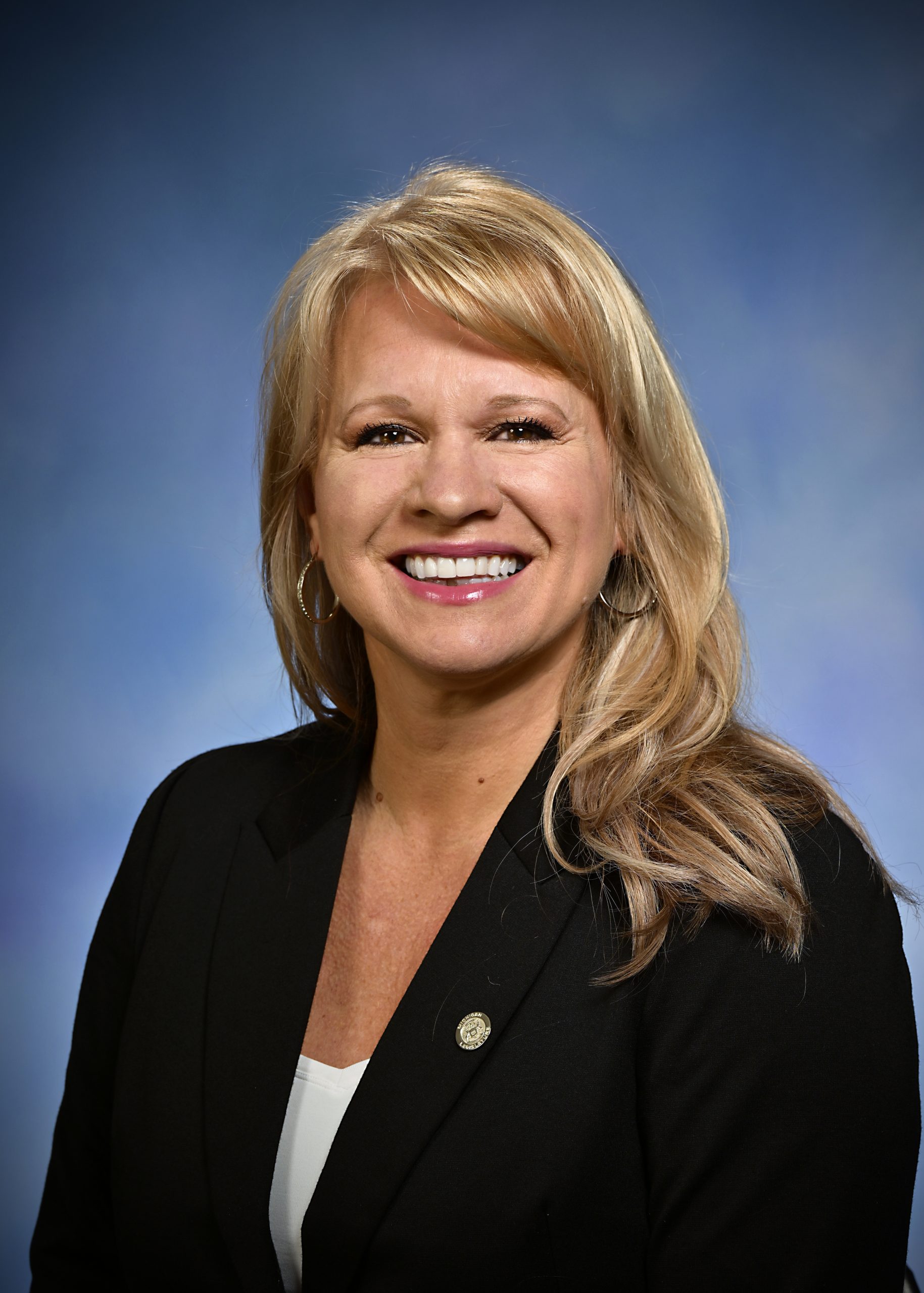
Rep. Alicia St. Germaine
Sponsored bills
Maddy summaryHB 4015, the "Cash for Tolls Act," requires state and local governments to accept cash payments for tolls on public infrastructure like bridges, highways, and tunnels they own or operate. It mandates that cash must be accepted as a payment option and prohibits requiring electronic payments (like credit cards) instead. The bill applies only to tolls on publicly managed infrastructure, excluding privately owned toll roads. This change directly affects drivers who pay tolls with cash and public toll operators who must adjust their payment systems. The bill is currently in committee after being introduced on January 14, 2025.
Maddy summaryThis bill requires public and nonpublic schools in Michigan to adopt and implement a standardized plan for response terminology starting in the 2026-2027 school year. The law mandates that school boards and directors use consistent language when communicating about safety incidents to ensure clarity across the education system. However, the bill does not take effect unless it is passed together with a companion bill, HB 4096.
Maddy summaryThis bill modifies how money from Michigan's Transportation Economic Development Fund is distributed to various road and infrastructure projects. It establishes specific funding tiers that prioritize forest road construction, rural road improvements, and urban traffic management based on population size. The legislation also allocates a portion of the remaining funds to economic development projects in targeted industries, with some temporary adjustments to these allocations for specific past fiscal years. By updating the distribution rules, the law ensures that state resources are directed toward maintaining roads in commercial forests, upgrading rural networks, and reducing congestion in larger cities.
Maddy summaryThis bill requires the Michigan State Police to create a standardized set of response terms and a color-coding system for schools by July 1, 2026. The new rules will guide how public and nonpublic schools, along with local law enforcement, communicate during specific incidents occurring on school property. By establishing a uniform language and visual code, the legislation aims to improve coordination between schools and police when handling emergencies.
Maddy summaryThis bill requires counties in Michigan with more than one million residents to create and submit a plan to the state department to cut sewage discharge volumes by 50% within five years if they violate their environmental permits. The state department will review these plans within 180 days, and if approved, the counties must finish implementing the reduction measures within two years or risk having their permits denied. Counties that fail to submit a plan or complete the required reductions could face administrative fines of up to $1 million per month, which would be collected by the state attorney general and added to the state's clean water funding.
Maddy summaryThis bill strengthens Michigan's environmental laws by requiring counties to notify neighboring counties at least 24 hours before discharging waste or sewage into shared waters, with permission needed from the affected county before the discharge occurs. It establishes new penalties for failing to provide this advance notice or for discharging without permission, including fines up to $500,000 that go into a state recovery fund. The legislation also clarifies existing rules by defining specific circumstances under which violations lead to criminal charges or civil fines, particularly when actions pose a substantial danger to public health or the environment. Additionally, it adjusts how courts determine liability for serious violations and mandates that certain fines be paid to the state's general fund while creating liens on the property of those found liable.
Maddy summaryHB 5916 proposes changes to Michigan's sentencing guidelines specifically regarding cases involving excessive discharges into state waters. The bill aims to modify how judges determine punishments for these environmental violations by updating the relevant legal section in the Code of Criminal Procedure. It directly affects prosecutors, defense attorneys, and judges who handle such cases by altering the framework used to calculate sentences. This legislative measure is part of a paired bill effort to refine sentencing standards for water pollution offenses.
Maddy summaryThis bill modifies Michigan's environmental laws to require new or increased discharge permits to include proof of permission from any neighboring counties that might be affected by the discharge. Starting in 2025, applicants must submit a resolution from the impacted county's board of commissioners, and the state department must review applications within 30 to 90 days, treating them as complete if no decision is made by the deadline. The legislation also clarifies rules for oceangoing vessels by mandating specific permits for ballast water management to prevent the spread of aquatic nuisance species, while ensuring state standards remain at least as protective as federal requirements. Additionally, the bill sets strict timelines for the department to determine if applications are administratively complete and outlines the process for denying permits if county permission is missing.
Maddy summaryThis bill officially designates a specific stretch of M-53 in Macomb County as the "Officer Leroy Imus Memorial Highway" to honor a fallen law enforcement officer. The legislation affects the Michigan State Transportation Department by amending state laws to recognize this new name for the road segment running from 17 Mile Road to Hall Road. Once signed into law, the change immediately updates official records and signage to reflect the memorial title.