

Maddy summaryHouse Bill 4148 revises the process for political parties to nominate candidates for the State Board of Education in Michigan. It divides the state into four specific districts. Beginning in 2026, political parties will be required to nominate candidates for the State Board of Education who are residents of designated districts, following a rotating 8-year schedule. This changes the current system where candidates are nominated at large without district-specific residency requirements.
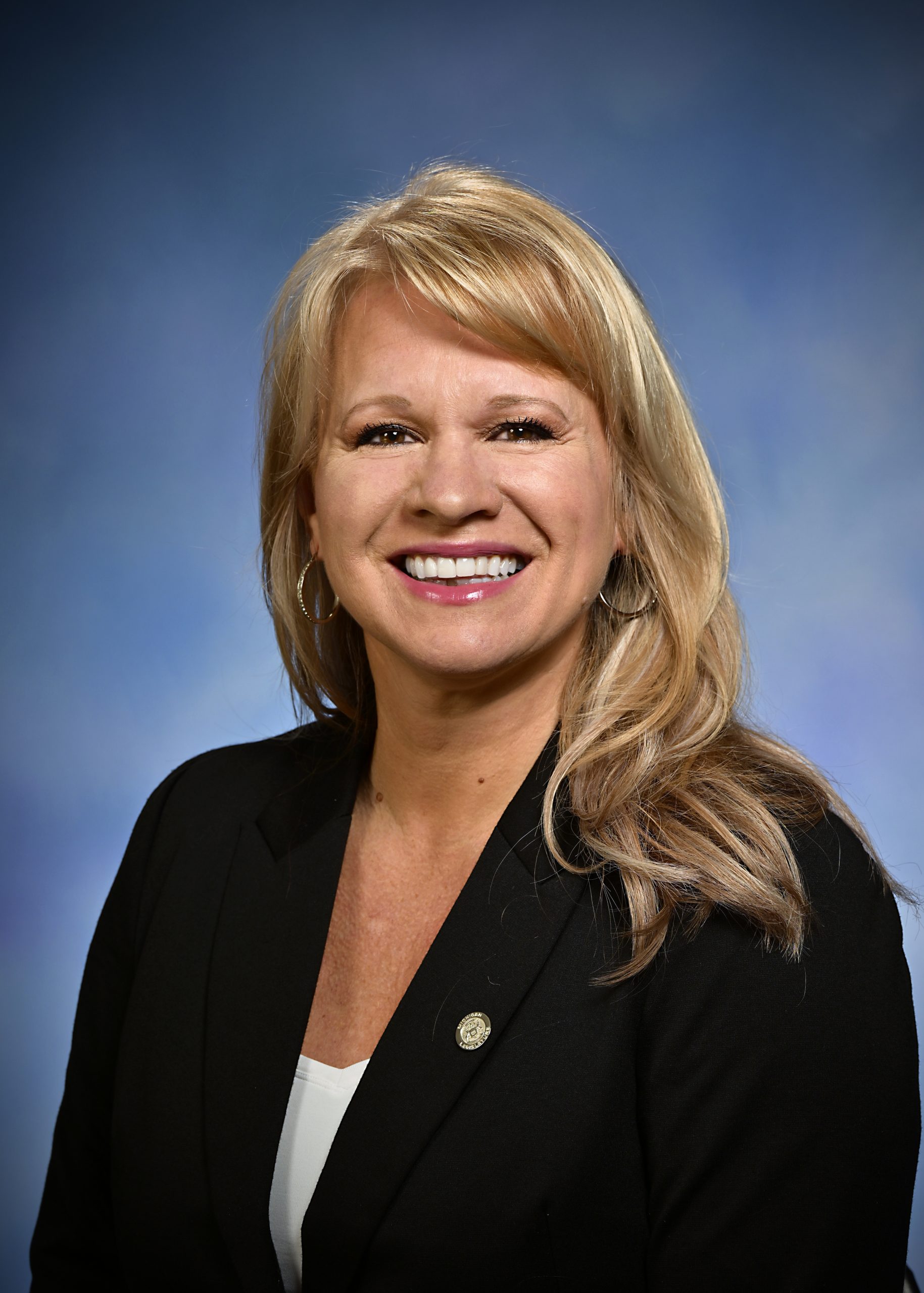
Rep. Alicia St. Germaine
Sponsored bills
Maddy summaryHB 4233 prohibits foreign entities (including foreign governments, corporations, or individuals) from purchasing or acquiring agricultural land in Michigan, with limited exceptions. Current foreign owners may retain existing farmland but cannot buy additional land, and all foreign-owned agricultural land must be registered with the Secretary of State within 60 days, including location, acreage, and ownership details. Exceptions allow land acquired through inheritance (if sold within two years), security interests, or legal processes like foreclosure (if sold within two years and not used for non-farming purposes). Violations trigger court action by the Attorney General, requiring foreign owners to divest the land within two years.
Maddy summaryHB 4387 creates a temporary 2025 income tax credit for Michigan residents affected by a severe winter storm and ice storm declared a state of emergency by Governor Whitmer on March 31, 2025. It allows eligible taxpayers to claim a credit of up to $5,000 for qualified expenses directly related to repairing or restoring homes, property, or businesses damaged by the emergency - such as purchasing generators, chainsaws, or building materials. To qualify, taxpayers must reside in the declared emergency area, provide proof of expenses (including federal ID and property address), and confirm expenses weren’t reimbursed. The credit applies only to the 2025 tax year and cannot exceed the taxpayer’s total tax liability for that year.
Maddy summaryHB 4152 requires Michigan teacher preparation programs (and alternative teaching programs) to include specific training content starting September 30, 2027, to gain or maintain state approval. The bill mandates instruction on dyslexia characteristics, consequences, instructional adjustments, and multi-tiered support systems (MTSS), with additional evidence-based reading methods required for programs preparing teachers in reading, language arts, or special education. Programs focused on math or science must develop curricula in consultation with subject-matter experts. These requirements apply directly to institutions training future educators, with waivers possible for non-relevant programs under specific conditions.
Maddy summaryThis constitutional amendment proposes changing Michigan's education governance structure. It would shift the appointment of the state superintendent of public instruction from the state board of education to the governor (with Senate consent) starting January 1, 2027. Additionally, it requires state board of education members to be elected by district rather than at-large beginning in 2027. The superintendent would chair the board without voting rights, and the governor would serve as an ex-officio board member without a vote. This directly affects the governor, superintendent position, and state board of education members.
Maddy summaryHB 4430 would amend Michigan's Income Tax Act to create a new refundable income tax credit for taxpayers. This credit would be available for each "qualified dependent" claimed by the taxpayer. A qualified dependent must be between 5 and 18 years old, not enrolled in a public school, and demonstrate proficiency in reading and math for their grade level. The credit amount would be equal to the state's "target foundation allowance" for the relevant school year.
Maddy summaryHB 4428 allows individuals and governmental entities receiving free opioid overdose reversal medications (opioid antagonists) from the Department of Health and Human Services (DHHS) to choose the specific type, dose, or delivery method of the medication. This provision applies when the DHHS distributes these medications to help reduce opioid-related overdoses across the state. The choice is intended to help recipients better address local needs. However, recipients cannot choose a specific formulation or dosage if doing so would jeopardize federal funding for the DHHS.
Maddy summaryHouse Bill 4443 establishes a new "disabled veteran's homestead specific tax" on properties currently exempt from general property taxes. Beginning January 1, 2026, this tax will apply to homesteads owned by disabled veterans or their surviving spouses. The tax amount is calculated based on what would have been owed in general property taxes, then discounted (reduced) according to the veteran's disability severity rating, potentially reducing the tax to zero for those with the highest disability ratings. Unpaid specific taxes are subject to the same forfeiture and foreclosure processes as delinquent general property taxes.
Maddy summaryHouse Bill 4444 amends Michigan's general property tax act to modify property tax exemptions for homesteads owned by disabled veterans and their surviving spouses. The bill outlines the application process for these exemptions and specifies that those granted on or after January 1, 2025, will remain in effect without requiring reapplication. It also introduces methods for prorating the exemption if the property is not used as a homestead for the entire tax year. Additionally, the bill clarifies that properties exempt under this section will be subject to a specific disabled veteran's homestead tax, which will also be prorated accordingly.
Maddy summaryHouse Resolution No. 87 is a resolution that declares May 2025 as Boating Safety Month in the state of Michigan. This resolution encourages all residents and visitors to engage in safe and responsible boating practices.