

Maddy summaryHB 5635 amends Michigan's School Code (MCL 380.1177) to prevent schools or health departments from requiring stricter exemption documentation than state law allows for student immunizations. It directly affects students entering school for the first time or in grade 7, and their families seeking exemptions based on religious beliefs or other objections. The bill ensures schools can only accept the three standard exemption options: a physician's statement, a parent's religious exemption, or a statement showing the child is in process of compliance. It does not change existing immunization requirements but prohibits additional barriers to claiming exemptions beyond those specified in state law.
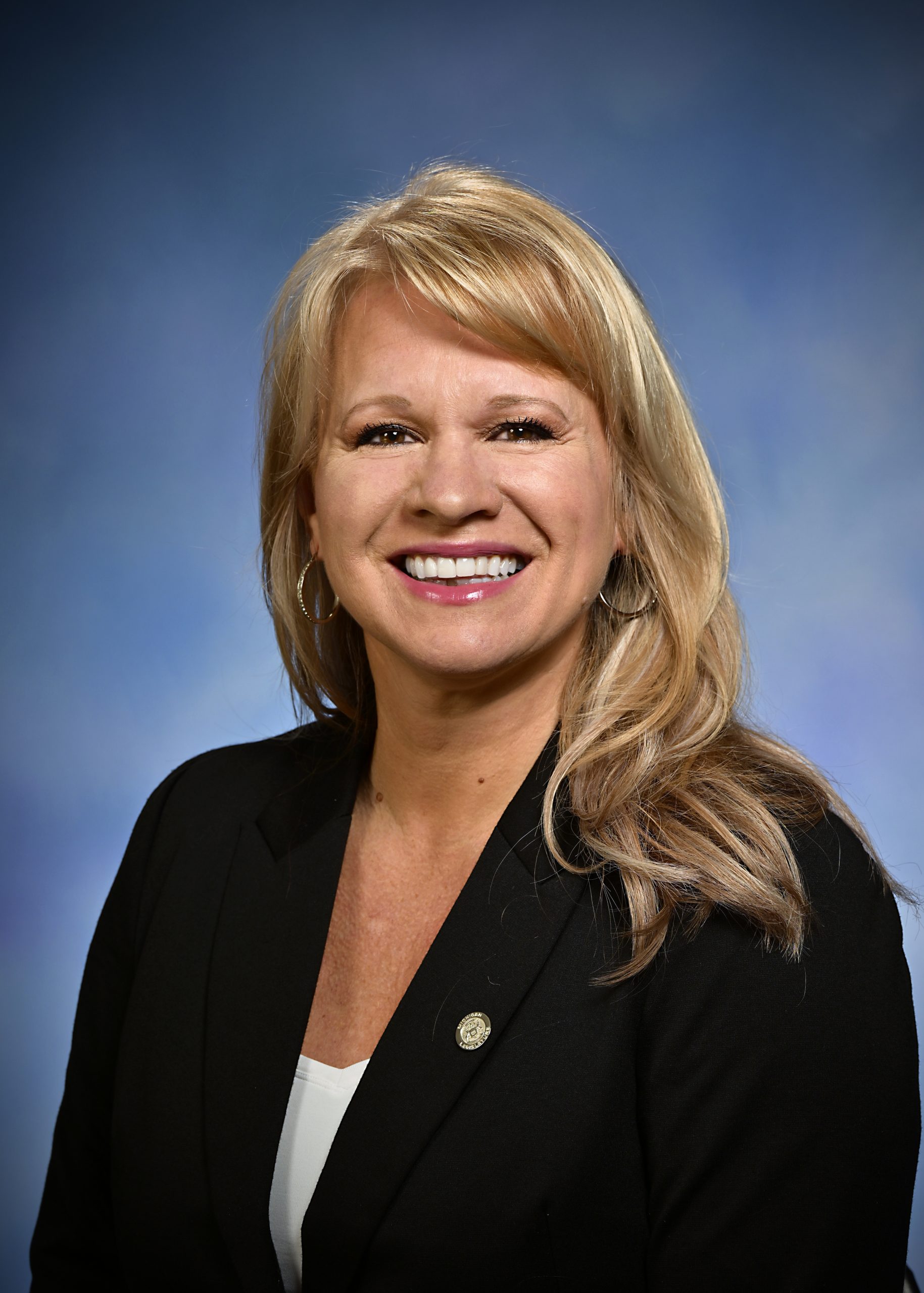
Rep. Alicia St. Germaine
Sponsored bills
Maddy summaryHB 5634 prevents Michigan's health department from creating stricter rules or requiring additional paperwork for school immunization exemptions. It preserves only two existing exemption types: medical (certified by a physician) and religious/philosophical (via a parent's written statement). The bill explicitly blocks the department from mandating new exemption forms or imposing extra requirements beyond these two categories. This directly affects schools, parents seeking exemptions, and the health department's regulatory authority. The legislation maintains the current exemption framework without expanding or altering it.
Maddy summaryHB 5219 would allow direct farm-to-consumer sales of raw milk and raw milk products in Michigan by amending the Food Law. It defines "direct farm-to-consumer product" to explicitly include raw milk meeting requirements under the 2001 Manufacturing Milk Law, enabling farmers to sell these products directly to consumers on their property. The bill adds new sections (4102a and 4102b) to establish this sales pathway while maintaining existing pasteurization requirements for other sales. This change directly affects farmers producing raw milk and consumers purchasing it directly from farms, without altering commercial milk sales rules.
Maddy summaryHB 5217 would allow direct farm-to-consumer sales of raw (unpasteurized) milk and milk products by dairy producers who comply with specific safety standards under Michigan's Food Law (2000). It amends existing milk regulations to explicitly permit this sale method, provided producers meet requirements in Section 4102a of the Food Law and adhere to the definition of "direct farm-to-consumer producer" from the Food Law. This change affects small dairy farms selling directly to consumers, not restaurants or grocery stores, and maintains existing pasteurization requirements for all other milk sales. The bill requires compliance with state safety protocols but does not alter pasteurization rules for commercial distribution.
Maddy summaryHB 5535 would allow plumbing inspectors to provide plumbing services without violating state law. Currently, plumbing inspectors (registered under Article 10) are prohibited from engaging in the plumbing business, such as installing pipes or selling materials, due to potential conflicts with their inspection duties. The bill amends Section 1123 of Michigan's Skilled Trades Regulation Act to remove this prohibition, permitting inspectors to work for or own plumbing businesses. This change directly affects local plumbing inspectors who wish to operate in both roles simultaneously.
Maddy summaryHB 5543 increases the annual funding for grade crossing surface improvements from $3 million to $6 million per year by amending Section 10(1)(b) of Michigan's Transportation Fund Act (MCL 247.660). This change directs more state transportation funds toward safety and surface repairs at railroad crossings - locations where roads intersect train tracks - across Michigan. The bill specifically adjusts the allocation within the state trunk line fund, ensuring doubled resources for maintaining these critical infrastructure points. It does not alter other funding mechanisms but directly affects how money is distributed for grade crossing safety upgrades.
Maddy summaryThis resolution designates February 22-28, 2026, as School-Based Health Care Awareness Week in Michigan. It recognizes Michigan's over 300 school-based health centers that provide primary, mental, and preventive care to students, highlighting their role in improving attendance, academic performance, and health outcomes. The resolution serves as a symbolic acknowledgment of these centers' work and does not create new policies, funding, or legal requirements.
Maddy summaryHB 5035 creates a legal remedy for individuals harmed by false claims in assisted reproduction services. It allows patients who gave birth to a child through such services, their spouses at the time, children conceived via the false representation, or gamete donors to sue providers for economic damages, non-financial harm, attorney fees, and punitive damages. The law requires lawsuits to be filed within 3 years of discovering the false representation and specifies that this new cause of action applies alongside existing criminal or civil penalties. The bill directly affects patients, families, and donors involved in assisted reproduction when providers make misleading claims about services or results.
Maddy summaryHB 5038 proposes updating Michigan's sentencing guidelines to specifically address false statements about reproductive health in assisted reproduction cases. It would directly affect individuals convicted of lying regarding fertility, genetic status, or other reproductive health matters when seeking or providing assisted reproductive services. The bill amends existing sentencing rules (MCL 777.16l) to create dedicated guidelines for these offenses, ensuring courts apply consistent penalties. This change would only apply to cases where false representation occurs in a legal context related to assisted reproduction, not general false statements. The bill is currently in committee referral following its introduction on September 24, 2025.
Maddy summaryHB 5039 amends Michigan's Public Health Code to add disciplinary action for health professionals who make false representations in assisted reproduction services. It specifically adds "misrepresentation to a consumer or patient" in professional practice (including assisted reproduction) as a prohibited act under disciplinary grounds. This directly affects licensed health professionals, such as fertility specialists or clinics, who provide or advertise assisted reproductive services. The bill expands existing disciplinary criteria to include fraud or false claims related to fees or services in this field, allowing the licensing board to investigate and take action for such violations.