

Maddy summaryHB 5324 standardizes "No Drone Zone" signage across Michigan by requiring the state Department of Transportation to adopt a sign based on the FAA's existing design. The sign must display "No Drone Zone" at the top, include a drone image with a red circle slash, state that drone takeoffs/landings are prohibited, and leave space for the specific local ordinance or law enforcing the restriction. This bill directly affects property owners, businesses, and local governments that currently post drone restrictions, providing a uniform format to clarify existing local drone prohibitions without creating new restrictions. The Department of Transportation will publish guidance for using the sign, which must align with current local rules governing drone operations.
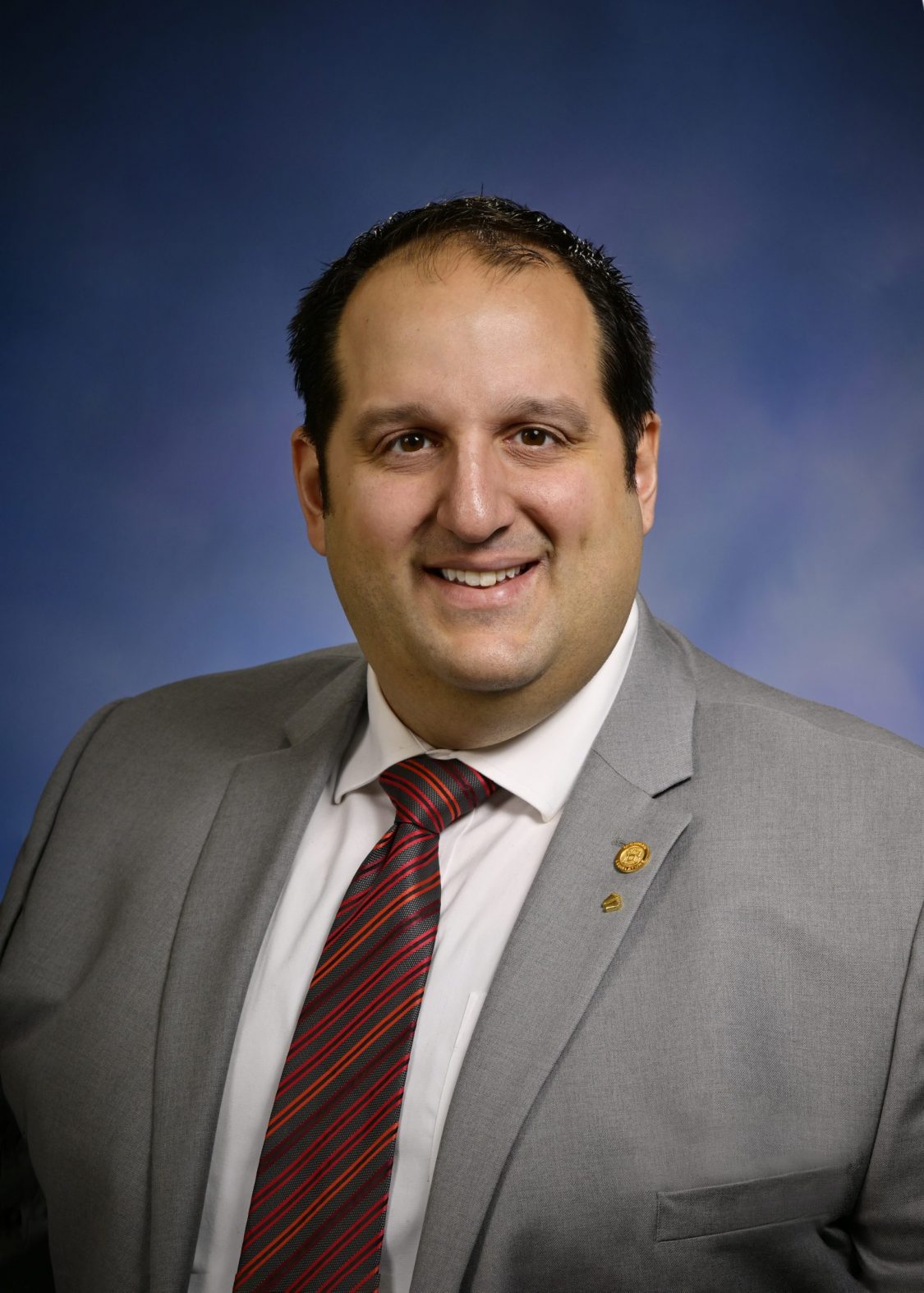
Rep. Joe Aragona
Sponsored bills
Maddy summaryHB 5327 amends Michigan's drone law to prohibit specific drone uses that violate privacy or safety. It bans operating drones to harass people (as defined by existing harassment laws), capture private images in violation of privacy expectations, follow or photograph individuals (especially for sex offenders under registration requirements), or disturb quiet enjoyment of private homes. The bill directly affects all drone operators, with additional restrictions for sex offenders. Key mechanisms include expanding existing drone restrictions to cover harassment, privacy invasions, and proximity to restraining orders. The law takes effect 90 days after enactment.
Maddy summaryHB 5325 allows police officers and private security personnel at critical infrastructure sites (like power plants or bridges) to disable or destroy drones flying in violation of existing laws protecting those sites. It directly affects drone operators who fly near protected infrastructure without authorization. The key provision grants immunity from liability for property damage to the drone when officers act under this law, but only if federal law does not preempt it. This bill creates a specific legal mechanism for responding to unauthorized drone activity at critical infrastructure locations.
Maddy summaryHB 5323 authorizes Michigan state agencies to install technology that detects or blocks unauthorized drones near state-owned buildings and critical infrastructure like power plants or water facilities. The bill allows for two key mechanisms: (1) devices to detect drones flying overhead, and (2) systems to prevent drones from entering restricted airspace. It also requires coordination with the state transportation department to include these locations in a statewide geofencing database. The law explicitly states it does not override federal drone regulations.
Maddy summaryHB 5332 requires Michigan public agencies (like police departments and fire departments) to register all drones they operate, including details about operators, aircraft identification, and intended use. It mandates an annual report to the legislature on drone usage and prohibits public agencies from purchasing or using drones from specific foreign countries or entities listed by federal authorities (such as the U.S. Defense Department's restricted list). Agencies may only buy such drones if they guarantee all collected data stays stored exclusively within the U.S. and complies with federal laws. The bill does not apply to small drones used in compliance with existing safety rules.
Maddy summaryHB 5326 would allow Michigan police officers to intercept, disable, or destroy drones flying in violation of federal aviation rules or posing public safety risks. It directly affects drone operators whose flights breach FAA guidelines and provides officers immunity from liability for damage to the drones. The bill’s key provision requires that federal law first be amended to permit such actions before the state law takes effect. This bill is currently in committee review and does not change existing federal drone regulations.
Maddy summaryHB 5308 requires Michigan watercraft owners to purchase an annual $35 "Great Lakes protection" decal. Revenue from these decals funds invasive species prevention and remediation efforts under Section 80124b. The bill mandates that the state agency discontinue sales if fewer than 2,000 decals are sold by September 2006, then fewer than 500 annually after that. It directly affects recreational boat owners in Michigan who must buy the decal to legally operate watercraft. The decal design is specified but placement rules allow flexibility for law enforcement.
Maddy summaryThis bill amends Michigan's ABLE program to allow individuals with disabilities to designate a specific survivor beneficiary for their savings accounts. It also exempts these accounts from Medicaid estate recovery, ensuring that funds remain protected for the individual's qualified disability expenses even after their death. The legislation clarifies the roles of account owners and designated representatives, permitting changes to beneficiaries within the family unit without requiring court approval. By updating the state's ABLE program rules, the bill aims to provide greater flexibility and financial security for people with disabilities and their families.
Maddy summaryHB 5302 creates a $5 million annual competitive grant program for recovery community organizations in Michigan to expand services for people seeking long-term recovery from substance use disorders. The bill requires the state to fund at least 19 certified local recovery groups and qualifying nonprofit associations, with each grant capped at $250,000 (or 50% of an organization’s operating budget). Priority goes to groups offering specific services like recovery navigation, workplace education, and wellness activities (e.g., support groups, nutrition programs). Grantees must report annually on fund usage, participant metrics, and budget details starting in 2027, with the program set to expire on October 1, 2031.
Maddy summaryHB 4303 designates May of each year as "Chaldean American Month" in Michigan to recognize the contributions of Chaldean, Assyrian, and Syriac Americans to the state and nation. The bill is purely symbolic, creating no new policies, funding, or obligations. It directly affects the Chaldean American community by formally honoring their cultural and historical contributions through this annual designation. The bill has advanced through committee stages but remains pending final legislative approval.