

Maddy summaryHB 5590 amends Michigan's sentencing guidelines to include specific provisions for crimes committed against animals. This change directly affects judges and prosecutors by providing updated rules for determining sentences in cases involving animal cruelty. The bill revises existing legal statutes to ensure that penalties for harming animals are clearly defined within the state's criminal code. By linking this measure to a companion bill, the legislation aims to standardize how such offenses are handled in the judicial system.
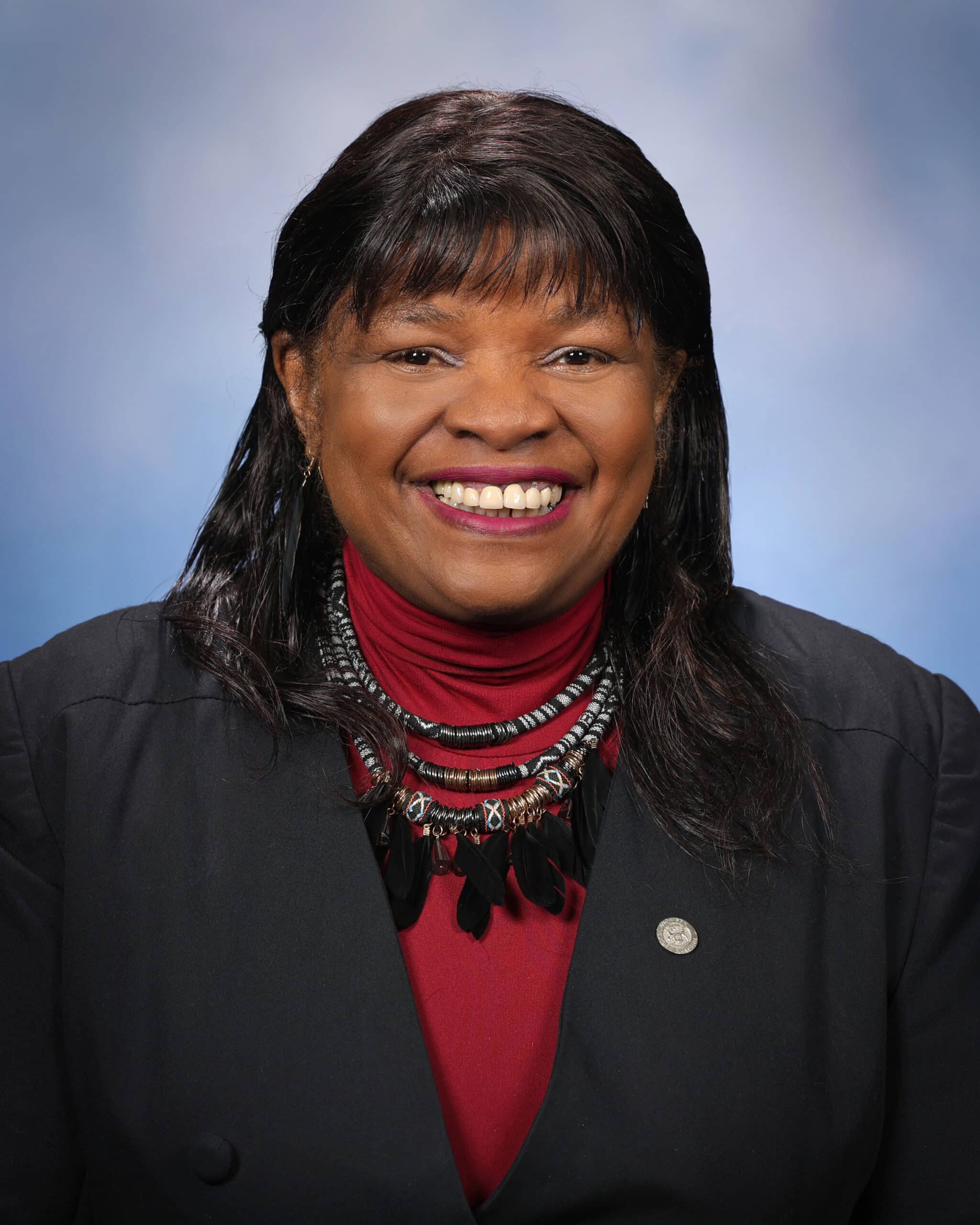
Rep. Brenda Carter
Sponsored bills
Maddy summaryThis bill proposes changes to Michigan's sentencing guidelines specifically for crimes committed against animals. It amends an existing section of the state's criminal procedure code to update how judges determine penalties in these cases. The legislation does not create new crimes but instead modifies the rules used to calculate sentences when animal abuse or neglect is charged.
Maddy summaryThis bill proposes changes to Michigan's sentencing guidelines specifically for crimes committed against animals. It directly affects judges and prosecutors who determine punishments for animal cruelty cases by updating the rules they must follow. The legislation revises the existing legal framework to ensure consistent and updated sentencing standards for these offenses. As a procedural amendment, it does not create new crimes but rather adjusts how penalties are calculated and applied under current law.
Maddy summaryHB 5570 updates Michigan's sentencing guidelines to include specific rules for cases involving the creation or distribution of deepfake sexual images. The bill modifies an existing section of the state's criminal procedure code to ensure that judges and prosecutors have clear standards when determining penalties for these offenses. By adding these provisions to the official sentencing framework, the legislation aims to provide consistency in how courts handle new types of digital sexual exploitation. This change directly affects judges, prosecutors, and defendants involved in cases related to non-consensual deepfake imagery.
Maddy summaryThis bill proposes updating Michigan's sentencing guidelines specifically for crimes committed against animals. It directly affects judges, prosecutors, and defendants involved in animal cruelty cases by modifying the legal rules used to determine punishments. The key mechanism involves revising the existing statutory language to ensure these guidelines are current and clearly applied within the criminal justice system. As a procedural amendment to the Code of Criminal Procedure, the bill focuses on the technical framework for sentencing rather than creating new crimes or changing penalty ranges.
Maddy summaryThis bill removes the expiration date from Michigan's Interstate Medical Licensure Compact, which allows qualified physicians to practice in multiple states with a single license. By eliminating the sunset provision, the law ensures that this streamlined licensing process remains in effect permanently rather than requiring renewal or reauthorization. The change directly impacts doctors who wish to work across state lines and the administrative bodies that oversee medical licensing in Michigan.
Maddy summaryThis bill proposes to update Michigan's sentencing guidelines by modifying the specific factors judges consider when determining punishments for various crimes. It directly affects the judicial process by changing how points are assigned for offenses against persons, property, controlled substances, public order, and public safety. The key change involves adjusting which offense variables are scored for different crime categories, though the bill's final effect is currently contingent on the passage of two other related bills.
Maddy summaryThis bill modifies the composition of Michigan's Board of Psychology to include more licensed professionals by replacing public members with psychologists who hold limited licenses. It establishes a new limited license category for individuals with a master's degree in psychology, allowing them to practice under specific supervision and advertising restrictions. To qualify for this limited license, applicants must have a master's degree from an accredited program and complete one year of supervised postgraduate experience in a healthcare setting. The legislation also updates the board's membership requirements to ensure that at least five of its voting members hold a doctoral degree in psychology.
Maddy summaryHB 5588 amends Michigan's Code of Criminal Procedure to update the definitions of specific terms used in sentencing guidelines. The bill clarifies the meanings of words such as aircraft, companion animal, departure, homicide, intermediate sanction, ORV, snowmobile, vehicle, and vessel by referencing their existing definitions in other state laws. These changes ensure that legal documents and sentencing decisions consistently use the current definitions for these terms. The legislation directly affects judges, prosecutors, and defense attorneys who apply these guidelines during criminal proceedings.
Maddy summaryThis bill expands the duties of the Michigan Indigent Defense Commission to include providing legal representation for youth in juvenile court cases, in addition to its existing role for adults. By amending the state's indigent defense act, the legislation ensures that young people facing delinquency charges receive effective legal counsel starting from their initial court appearance. The commission will be responsible for setting minimum standards for how local courts deliver these services to both adults and youth, while also managing funding adjustments based on economic indicators. Ultimately, the bill aims to standardize the quality of legal defense available to financially unable defendants across the state's juvenile justice system.