

Maddy summaryHB 5810 amends the Michigan Child Care Licensing Act to update the legal definitions of key terms related to child care facilities and staff. The bill clarifies who qualifies as a "child care staff member" and provides more precise descriptions for various settings, such as child care centers, therapeutic group homes, and children's camps. By refining these definitions, the legislation aims to ensure that licensing standards and regulations apply consistently to the specific types of organizations and individuals involved in caring for minors. This change affects child care providers, regulators, and families by establishing clearer boundaries for which facilities and personnel fall under the state's oversight.
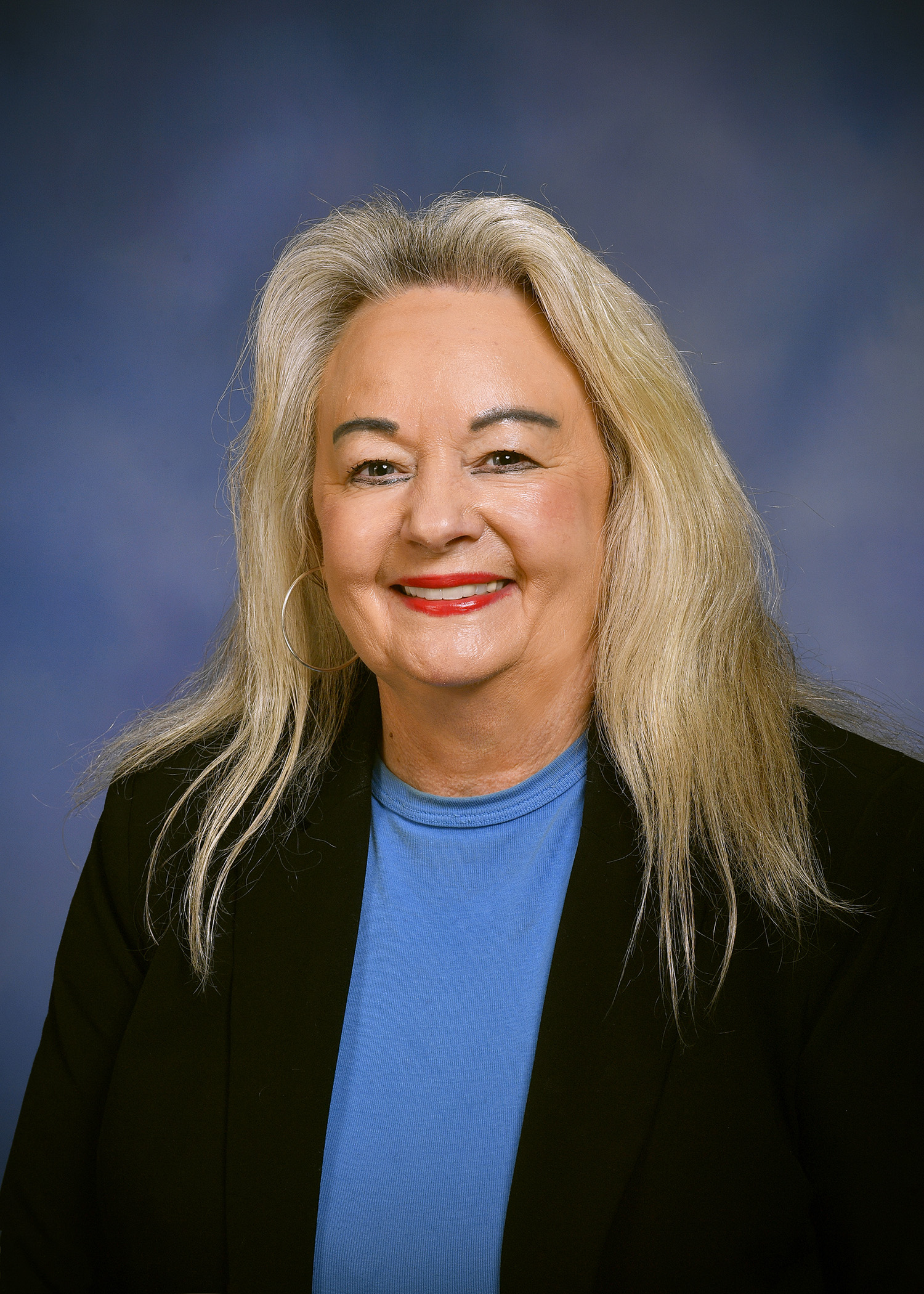
Rep. Kathy Schmaltz
Sponsored bills
Maddy summaryThis bill updates Michigan law to clarify how property transfers from estate distributions are treated when the state real estate transfer tax is repealed. It establishes that a buyer or lender who purchases property from an estate executor is presumed to have paid value for the property unless proven otherwise. This presumption helps protect buyers and lenders from potential claims by estate heirs, even if the executor's actions were improper or their authority had ended. The change relies on a companion bill to remove the old tax act that the new provision references.
Maddy summaryThis bill modifies Michigan's high school graduation requirements by mandating that students complete a half-credit course in personal finance to earn a diploma. Starting with the class entering eighth grade in 2023, schools must offer this course, which can count toward existing math, arts, or foreign language credits. The legislation allows the personal finance class to be fulfilled through traditional coursework or approved career and technical education programs. These changes directly affect public school districts and academies by updating the specific academic standards students must meet before graduating.
Maddy summaryThis bill updates Michigan's tax administration laws to remove references to the repealed state real estate transfer tax. It primarily affects taxpayers and the Department of Treasury by modifying the procedures used to investigate tax disputes and assess unpaid liabilities. The legislation requires the department to follow specific steps, such as sending a courteous inquiry letter before issuing a formal notice of intent to assess, and it mandates that audits adhere to professional standards like confidentiality and independence. Additionally, the bill establishes a structured informal conference process where taxpayers can present their case and submit written settlement offers to resolve disputes before a final decision is made.
Maddy summaryThis resolution urges Congress to pass a law that would temporarily freeze the minimum wage required for H-2A temporary foreign agricultural workers in Michigan. It directly affects Michigan farmers who rely on this program to staff their operations due to a shortage of domestic labor. The bill proposes keeping the wage rate set at $18.50 per hour through the end of 2025, rather than allowing it to increase annually. Supporters argue that freezing this rate will help reduce rising farm costs and prevent potential farm closures.
Maddy summaryThis resolution officially designates June 2024 as Dairy Month in Michigan to honor the state's dairy industry and its economic and nutritional contributions. The measure highlights the sector's role in providing jobs, producing milk, and supporting public health through nutritious food products. By adopting this declaration, the legislative body aims to raise awareness about the importance of dairy in a balanced diet without proposing any changes to existing laws or regulations.
Maddy summaryThis bill updates the Michigan Mental Health Code to officially include physician assistants, certified nurse practitioners, and clinical nurse specialists in the legal definition of mental health professionals. By amending multiple sections of the existing law, the legislation allows these advanced practice providers to perform certain examinations and deliver services that were previously restricted to other types of licensed clinicians. The change directly affects mental health service providers, patients, and the regulatory framework governing who can deliver care under the state's mental health system.
Maddy summaryThis bill creates a new state program to partner with a private company for manufacturing and distributing insulin within Michigan to address rising costs and improve access for residents with diabetes. The state will provide up to $50 million in grants to help a selected contractor build or renovate facilities, provided the company owns the property and prioritizes creating local jobs. The program specifically seeks a partner that can produce both long-acting and rapid-acting insulin and must secure approval from the federal government regarding foreign investment before proceeding.
Maddy summaryThis bill expands the definition of authorized emergency vehicles in Michigan to include vehicles owned by federally recognized nonprofit charitable organizations and the Michigan Mutual Aid Box Alarm System when operating during emergencies. It also clarifies that road service vehicles assisting disabled cars are considered emergency vehicles if they display specific flashing red or amber lights. Additionally, the legislation updates the rules for which vehicles can use flashing amber, green, or purple lights, specifically allowing these lights for ice and snow removal, spill cleanup, and funeral processions under certain conditions. These changes aim to ensure that a broader range of first responders and support vehicles have the legal authority to use emergency lighting while responding to critical situations.
Maddy summaryHB 5342 creates a specific exception to Michigan's commercial driver license requirements for authorized emergency vehicles participating in the state's Mutual Aid Box Alarm System. This bill allows drivers of these emergency vehicles to operate without the standard commercial license designations or endorsements typically required for heavy trucks and large vehicles. The change directly affects emergency response personnel who may need to drive large apparatus during mutual aid operations without holding a full commercial license. By amending the Michigan Vehicle Code, the legislation clarifies that these authorized emergency vehicles are exempt from the usual testing and licensing rules applied to commercial motor vehicle operators.