

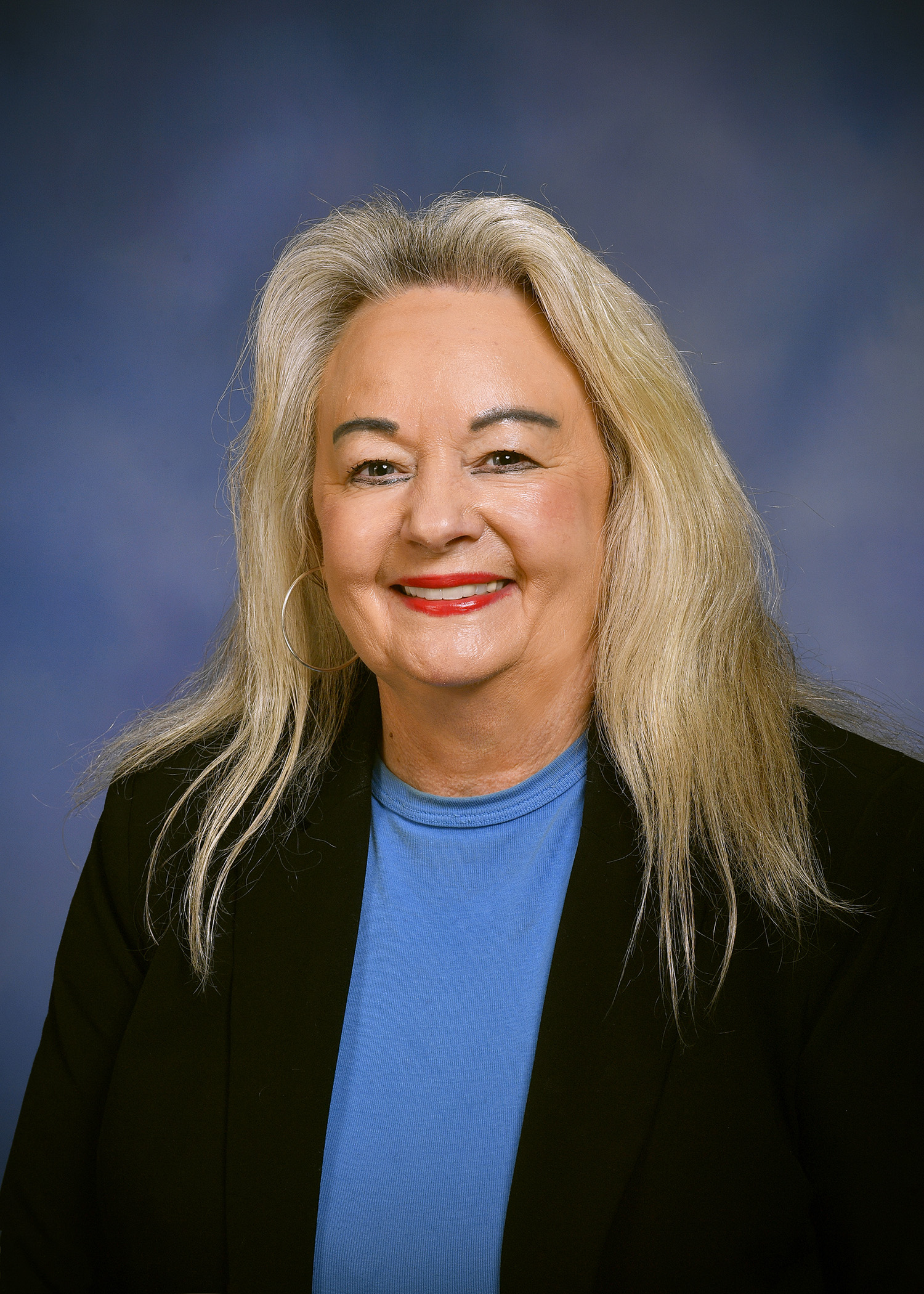
Photo of Kathy Schmaltz
R Michigan House · District 46 On the 2026 ballot

Rep. Kathy Schmaltz

Compare
Total votes
1,755
all sessions
Attendance
99%
19 missed
Near the chamber average
With party
93%
of cast votes
Higher than 83% of chamber peers
Bipartisan score
4%
crosses aisle rarely
Lower than 85% of chamber peers
Sponsored
439
bills & resolutions
Near the chamber average
Committees
5
assignments
439 bills and resolutions

Sponsored bills

Total
439
Primary
54
Co-sponsor
385
This page
439
matching current filters
Primary HR 236
Passed · Michigan House · Lead sponsor
A resolution to declare January 25-31, 2026, as Catholic Schools Week in the state of Michigan.

Maddy summaryThis resolution declares January 25-31, 2026, as Catholic Schools Week in Michigan. It symbolically recognizes Catholic schools' role in the state, highlighting their enrollment (50,421 students across 207 schools), compliance with public school regulations, and contributions to community values. The resolution does not create new laws, allocate funds, or change policies - it is a ceremonial acknowledgment supporting Catholic schools' educational and community impact.

Passed Jan 28, 2026 0 co-sponsors
Co-sponsor HB 5459
In committee · Michigan House · Co-sponsor
Sales tax: collections; collection of sales tax on utility bills; prohibit. Amends sec. 4n of 1933 PA 167 (MCL 205.54n).

Maddy summaryHB 5459 clarifies how utility companies collect the 2% additional sales tax on residential electricity, gas, and heating fuels in Michigan. It directly affects utility companies serving residential customers, requiring them to calculate the tax based on specific rules depending on their customer size. Companies with 100,000+ Michigan customers must prorate the tax starting from May 1, 1994, based on days after April 30, 1994. Smaller companies (under 100,000 customers) can either use this proration method or apply the tax starting with the first bill after April 30, 1994. The bill amends existing tax collection rules to provide clear, practical guidelines for utilities.

In committee Jan 22, 2026 1 co-sponsor
Co-sponsor HB 5460
In committee · Michigan House · Co-sponsor
State management: purchasing; state procurement of electric motor vehicles made with forced labor; prohibit. Amends secs. 213 & 215 of 1984 PA 431 (MCL 18.1213 & 18.1215).

Maddy summaryHB 5460 prohibits Michigan state agencies from purchasing electric motor vehicles or components unless manufacturers provide a sworn declaration confirming no forced labor or oppressive child labor was used in their production, mining, or sourcing. This applies directly to all state agencies acquiring such vehicles, requiring verification of supply chain labor practices before contracts are signed. The bill defines "forced labor" broadly to include coercion, threats, abuse of legal processes, and child labor exploitation. It amends existing procurement laws to enforce this requirement, with no exceptions for state agencies under the transportation department's jurisdiction.

In committee Jan 22, 2026 1 co-sponsor
Co-sponsor HB 5466
In committee · Michigan House · Co-sponsor
Health: other; authority to limit patient visitation in certain health care facilities; restrict in emergency orders and under certain circumstances. Amends secs. 2253, 2453 & 5145 of 1978 PA 368 (MCL 333.2253 et seq.).

Maddy summaryHB 5466 amends Michigan's Public Health Code to limit emergency orders restricting patient visitation in healthcare facilities to a maximum of 30 days after an epidemic declaration. It specifically requires that after this 30-day period, healthcare facilities must allow "LINDA" (loved individuals need dedicated attention) visitation for patients with cognitive impairments, including family members, patient advocates, or designated attorneys-in-fact. The bill establishes safety measures like prescreening or visit duration limits for these visitors while ensuring facilities maintain safe operations. This directly affects hospitals, assisted living facilities, and physician offices during public health emergencies.

In committee Jan 22, 2026 1 co-sponsor
Co-sponsor HB 4692
Passed · Michigan House · Co-sponsor
Occupations: cosmetologists; branch facilities for a school of cosmetology; provide for. Amends 1980 PA 299 (MCL 339.101 - 339.2677) by adding sec. 1205b. TIE BAR WITH: HB 4693'25

Maddy summaryHB 4692 creates a new license for "secondary school facilities" that provide cosmetology training in separate classroom settings, directly affecting cosmetology schools and their associated training locations. These facilities must not offer public services or contain equipment like hair-drying chairs, must be staffed by licensed instructors with 3+ years' experience, and require detailed floor plans and department inspections. License holders must display their license and instructor credentials visibly, and the license becomes void if ownership changes or the location shifts, requiring a new application. The bill also mandates the department to create implementing rules within 18 months of enactment.

Passed Jan 21, 2026 1 co-sponsor
Primary HB 4911
Passed · Michigan House · Lead sponsor
Occupations: barbers; mobile barber shops; allow. Amends secs. 1101, 1111 & 1112 of 1980 PA 299 (MCL 339.1101 et seq.).

Maddy summaryHB 4911 amends Michigan's Occupational Code to clarify definitions and licensing requirements specifically for mobile barbershops. It defines "mobile barbershop" as either a self-contained vehicle or temporary setups at locations like client homes, and requires the state board to create operational rules for these businesses within one year (per Section 1112). The bill directly affects mobile barber service operators by establishing new regulatory standards for sanitation, safety, and record-keeping at temporary locations. It does not change existing rules for stationary barbershops but ensures mobile operations meet specific safety and transparency requirements before the new rules are finalized.

Passed Jan 21, 2026 0 co-sponsors
Co-sponsor HB 4947
Passed · Michigan House · Co-sponsor
Health: pharmaceuticals; manufacturers of products containing ephedrine or pseudoephedrine; require to participate in a national logging system. Amends secs. 7340 & 7340a of 1978 PA 368 (MCL 333.7340 & 333.7340a).

Maddy summaryHB 4947 requires pharmaceutical manufacturers selling products containing ephedrine or pseudoephedrine in Michigan to join a national real-time tracking system (NPLEx) starting June 1, 2026. This bill directly affects manufacturers of these products, mandating they participate in the system to log retail sales. The key mechanism is the NPLEx, which tracks purchases to prevent diversion into methamphetamine production, with retailers already required to use it for sales. The bill amends Michigan’s Public Health Code (sections 7340a(6)) to extend this tracking requirement to manufacturers, not just retailers.

Passed Jan 21, 2026 1 co-sponsor
Co-sponsor HB 4486
Passed · Michigan House · Co-sponsor
Public utilities: natural gas utilities; local units of government imposing a ban on the use of natural gas or installation of natural gas infrastructure; prohibit. Creates new act.

Maddy summaryHB 4486 prohibits Michigan municipalities from banning natural gas use or the installation of natural gas infrastructure, directly affecting cities, towns, counties, and townships. The bill makes any local ordinance, resolution, or policy that restricts natural gas use or infrastructure void and unenforceable starting from its effective date. It specifically targets bans on residential, commercial, or industrial natural gas applications and related infrastructure like pipelines. This legislation ensures that local governments cannot block natural gas services or new installations within their jurisdictions.

Passed Jan 14, 2026 1 co-sponsor
Co-sponsor HB 5051
Passed · Michigan House · Co-sponsor
Health: pharmaceuticals; administration of epinephrine; modify. Amends title & secs. 1, 2 & 3 of 2020 PA 312 (MCL 28.821 et seq.). TIE BAR WITH: HB 5054'25, HB 5049'25, HB 5050'25, HB 5052'25, HB 5053'25

Maddy summaryHB 5051 amends Michigan's law to allow trained law enforcement officers and firefighters to administer epinephrine auto-injectors to individuals experiencing severe allergic reactions (anaphylaxis), even without a prescription or prior allergy diagnosis. It requires responders to complete training on proper administration and permits eligible entities (like police departments or fire stations) to purchase and distribute epinephrine devices to their staff. The bill provides legal immunity from civil liability for entities and responders acting in good faith, unless their conduct involves gross negligence or willful misconduct. This directly affects first responders who may use the devices during emergencies and individuals suffering acute allergic reactions.

Passed Jan 14, 2026 1 co-sponsor
Co-sponsor HB 5053
Passed · Michigan House · Co-sponsor
Health: pharmaceuticals; administration of epinephrine; modify. Amends sec. 20919 of 1978 PA 368 (MCL 333.20919). TIE BAR WITH: HB 5054'25, HB 5049'25, HB 5050'25, HB 5051'25, HB 5052'25

Maddy summaryHB 5053 requires medical control authorities to ensure all emergency medical services (EMS) agencies and personnel provide epinephrine or auto-injectors and are trained to recognize anaphylaxis, administer epinephrine, and properly dispose of devices. This directly affects EMS providers who deliver prehospital care across Michigan, mandating specific equipment availability and training protocols. The bill amends existing public health code requirements to strengthen emergency response capabilities for severe allergic reactions, with no changes to opioid antagonist or defibrillator requirements.

Passed Jan 14, 2026 1 co-sponsor
Showing 111 to 120 of 439 bills
Previous 1 … 11 12 13 … 44 Next