

Maddy summaryThis bill declares March 2026 as Agriculture Month in Michigan to recognize the state's significant food and agriculture industry. The resolution highlights the sector's economic contributions, including over 805,000 jobs and billions in annual revenue from various crops like cherries, apples, and soybeans. It serves as a commemorative measure with no operational changes, encouraging citizens to celebrate the importance of agriculture to Michigan's economy.
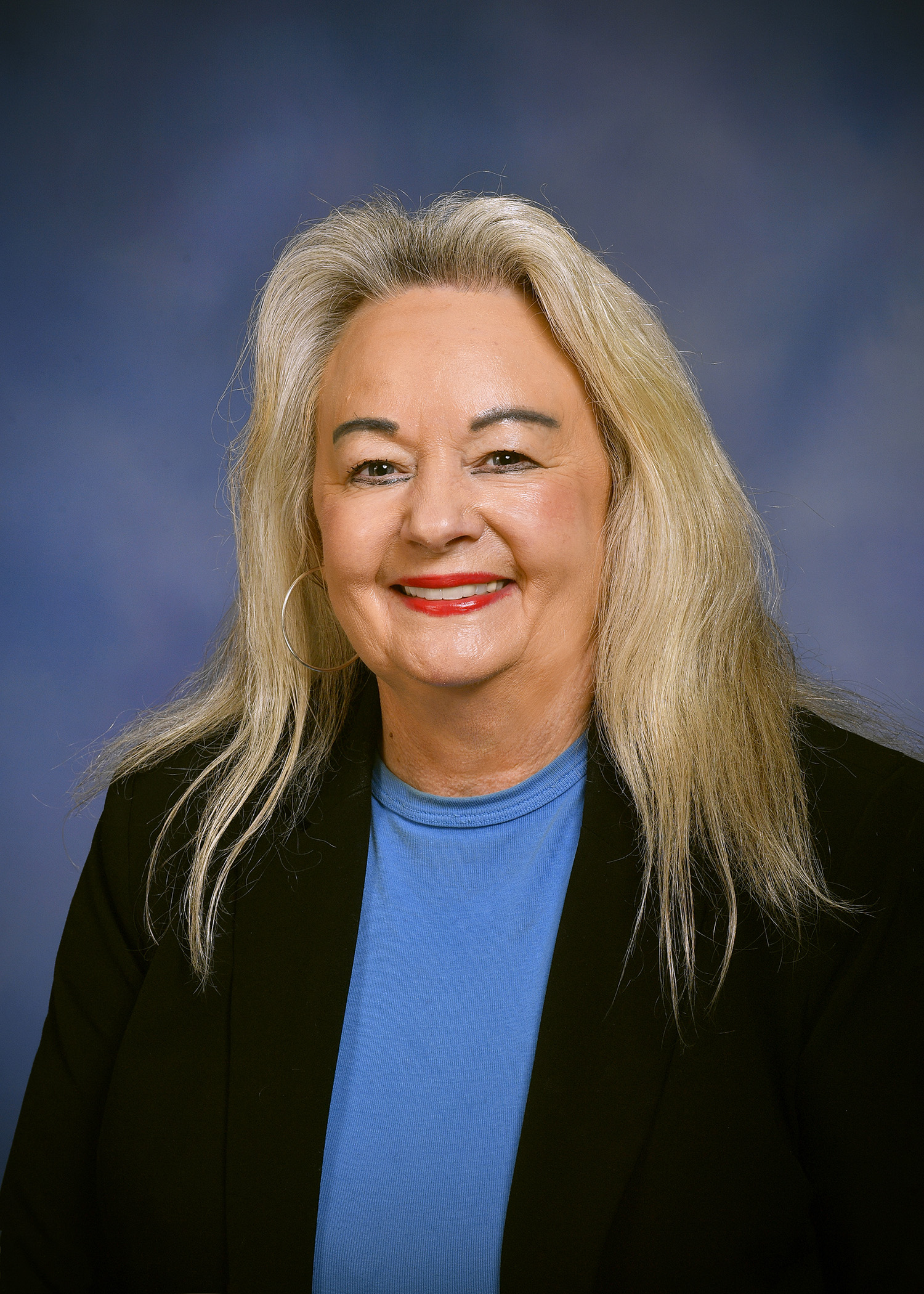
Rep. Kathy Schmaltz
Sponsored bills
Maddy summaryThis bill requires nursing homes in Michigan to ensure all unlicensed staff members complete a fall prevention training program. The Michigan Department of Health and Human Services will develop and manage this training program in consultation with relevant health agencies. The law applies specifically to unlicensed personnel working in nursing home facilities, mandating they finish the required training. This change aims to standardize fall prevention education for non-licensed staff across the state's nursing homes.
Maddy summaryThis bill requires employers in Michigan to pay employees their regular hourly wage for time spent participating in mandatory fall prevention training programs. The law applies to any employer who must ensure their staff complete the fall prevention training established under state public health regulations. By compensating workers for this required training time, the bill aims to remove financial barriers that might prevent employees from completing safety education. The legislation creates a new legal requirement for wage payment specifically tied to fall prevention training participation.
Maddy summaryHB 5450 amends Michigan's Food Law to prohibit local governments (counties, cities, villages, or townships) from charging fees, taxes, or assessments for the operation of mobile food establishments, such as food trucks. This directly affects food truck operators by eliminating an additional cost imposed by local jurisdictions. The bill achieves this by modifying Section 3113 of the Food Law to explicitly ban such fees, while still requiring compliance with state-mandated fire inspections and licensing under existing regulations.
Maddy summaryHB 5451 requires food trucks (mobile food establishments) to undergo annual fire inspections and additional inspections after significant modifications to fire safety systems, such as kitchen equipment or fuel piping. It creates a public database tracking these inspections and mandates that operators notify fire inspectors within 30 days of license applications or modifications. The bill specifies that inspections must comply with the International Fire Code, with results valid for one year (limiting inspections to once annually unless safety concerns arise). This directly affects food truck operators, who must pay a $200 maximum fee for annual inspections but receive no charge for additional safety-related checks.
Maddy summaryHB 4791 would require Michigan's Department of Health and Human Services to create a public education program about menopause transitions. The program must cover symptoms, related chronic conditions, treatment options, and screening tools, developed in consultation with medical boards and women's health organizations. It mandates the department to share this information with both the public and healthcare professionals, potentially via its website. This bill, currently in committee review, directly affects Michigan residents - particularly women navigating menopause - and healthcare providers who would receive updated educational resources.
Maddy summaryHB 4790 requires Michigan physicians to complete continuing education on menopause and related conditions as part of their mandatory professional development. The bill amends Michigan's Public Health Code (sections 333.17033 and 333.17533) to add these topics to the list of required educational areas. This directly affects all licensed physicians in Michigan who must fulfill continuing education requirements to maintain their licenses. The key provision updates existing rules to ensure physicians receive specific training on menopause care, aiming to improve patient education and treatment options.
Maddy summaryHB 4593 prohibits dentists from representing themselves as a "dental specialist" or claiming specialization in specific dental areas without proper certification. This bill directly affects dentists who may use such titles in their practice or marketing. It amends Michigan law (MCL 333.16608) to add this restriction, making it illegal to use these terms under certain circumstances without meeting defined qualifications. The bill focuses on preventing misleading claims about specialty expertise in dental care.
Maddy summaryHB 4594 bans Michigan dentists from using the title "dental specialist" by amending state law (MCL 333.16605). This directly affects dentists who currently use or might seek to use that title, as it removes it as an allowable designation under the law. The bill's key provision eliminates the existing legal allowance for the term, requiring dentists to use only standard titles like "dentist" or recognized specialty designations (e.g., orthodontist). The bill is pending in committee after being referred to the Health Policy Committee and reported with a substitute.
Maddy summaryThis bill amends definitions within Michigan's Tax Increment Financing Act but does not describe substantive policy changes in the provided text. It revises terms like "alternative energy technology," "certified alternative energy park," and "captured assessed value" used in economic development financing. The context includes definitions but does not specify new mechanisms, affected entities, or concrete policy modifications. Without details on how these definitions will change implementation or outcomes, a policy-focused summary cannot be provided. The bill is currently in committee referral with no further action documented.