

Maddy summaryHB 5387 amends Michigan's "Mozelle senior or vulnerable adult medical alert act" to specifically include "missing veterans at risk" in the definition of persons eligible for emergency alerts. The bill defines a "missing veteran at risk" as an active-duty service member or veteran reported missing with a documented physical or mental health condition. This change directly affects veterans who go missing and have health conditions, ensuring they are covered under the same alert protocols as seniors and vulnerable adults. The law does not create new procedures but clarifies who qualifies for existing emergency reporting mechanisms.
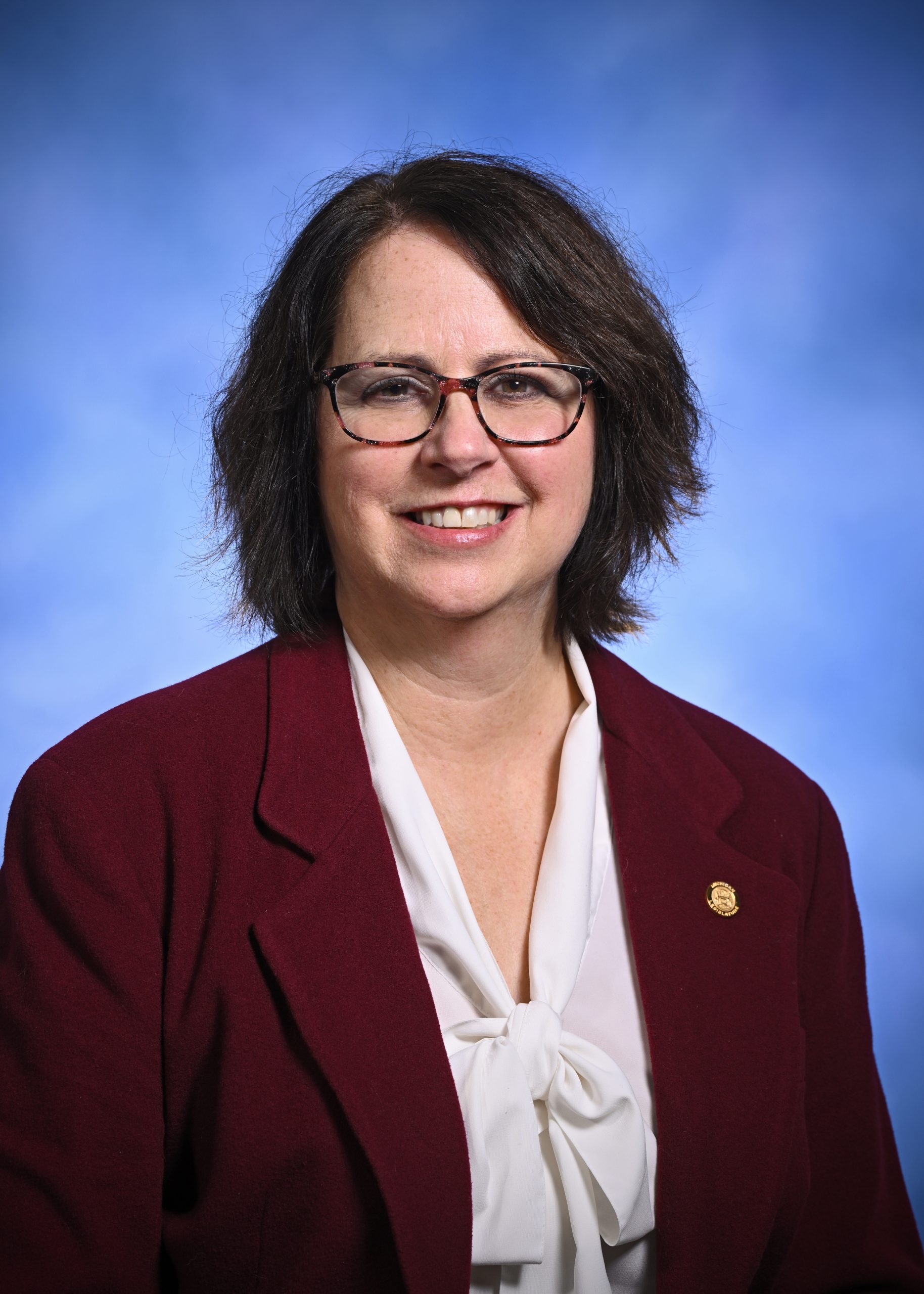
Rep. Nancy Jenkins-Arno
Sponsored bills
Maddy summaryThis bill requires the Michigan Department of Health and Human Services to track how often recipients use their food assistance cards in other states. If a card is used outside of Michigan for more than 90 consecutive days, the department must suspend the card unless the recipient contacts them to prove they still live in the state or qualify for benefits. The rule applies to all individuals receiving aid through the Michigan Bridge Card program and aims to ensure funds are used by residents within the state.
Maddy summaryThis bill amends Michigan's natural resources laws to update regulations on commercial fishing, including allowable catch limits and quota percentages for various fish species. It establishes stricter record-keeping requirements for fish dealers and mandates that commercial fishers report their catch immediately after each fishing season ends. The legislation also introduces new financial penalties for illegal fishing, requiring offenders to pay fines based on the weight of the fish taken, and sets a rule that commercial licenses will be permanently revoked if a fisher commits five specific violations within a five-year period. Additionally, the bill rescinds several outdated administrative rules related to commercial fishing operations.
Maddy summaryThis resolution officially designates June 2026 as Dairy Month in Michigan to recognize the state's significant dairy industry. The measure highlights the sector's economic contributions, including its role in food production, job creation, and public health through nutritious dairy products. By adopting this symbolic declaration, the legislature aims to celebrate the achievements of local dairy farmers and processors while promoting awareness of the nutritional benefits of dairy consumption.
Maddy summaryThis bill creates a new Office of Small Business Growth within the Michigan Strategic Fund to support businesses with fewer than 500 employees. The office will be led by a governor-appointed administrator who is responsible for coordinating state resources, providing technical assistance, and launching a one-stop website to help entrepreneurs navigate regulations and access funding. Key duties include facilitating job creation, streamlining business processes, and conducting outreach to inform small business owners about available programs and services. The office must also collect data on its activities and submit an annual report to the governor and the legislature.
Maddy summaryThis bill requires Michigan high schools to mandate a one-semester civics course and eventually require students to pass the civics portion of the U.S. naturalization test to earn graduation credit. It directs the state to update social studies curriculum standards and assessments to align with the current naturalization test questions by May 2018. The law applies to all public and nonpublic schools but includes exemptions for students with specific educational needs or those in military service.
Maddy summaryHB 6015 amends the Michigan Strategic Fund Act to require the fund to include small businesses in its allowable uses of money. The bill mandates that the fund submit detailed annual reports to state officials and the public, which must list recipients of financial assistance and provide specific data on jobs created, salaries, and project outcomes. Additionally, the legislation requires the fund to report on the status of all loans, bankruptcy notices for major recipients, and administrative costs, while also making annual audits publicly available.
Maddy summaryThis bill is a resolution that asks Congress to propose a new constitutional amendment allowing both state and federal governments to set reasonable limits on election spending. The proposed amendment would explicitly permit lawmakers to distinguish between individual voters and artificial entities like corporations, unions, and artificial intelligence when regulating campaign finance. By clarifying that such spending restrictions are constitutional, the measure aims to prevent unlimited money from influencing election outcomes while protecting the free speech rights of average citizens. Although introduced in the House of Representatives, the resolution does not become law on its own but instead seeks to initiate the process for amending the U.S. Constitution.
Maddy summaryThis bill requires the deputy secretary of state to take over as the chief election officer if the current secretary of state runs for another elected office. Under this change, the incumbent secretary would be barred from supervising or administering the election in which they are a candidate, though they would keep other duties like managing election audits. The deputy secretary would assume full supervisory control over local election officials during that specific election cycle.
Maddy summaryThis bill extends the Michigan First-Time Home Buyer Savings Program through December 31, 2026, by amending the existing law that established the program. It allows individuals to open special savings accounts designated for paying qualified costs related to purchasing a single-family home in Michigan. The program permits contributions from people other than the account holder and allows joint ownership if the account holders file a joint tax return. The bill includes a provision stating that it will not take effect unless a related bill, HB 5973, is also passed into law.