

Maddy summaryThis bill creates a new legal framework in Michigan to handle the division of "heirs property," which is real estate owned by multiple relatives who inherited it without a formal agreement. It establishes specific rules for courts to follow when these properties are contested, requiring judges to first determine if the land qualifies as heirs property before deciding how to split it. Under the new provisions, courts must order professional appraisals to set a fair market value unless all owners agree on a price or the cost of an appraisal is deemed too high. The legislation also mandates that plaintiffs post a sign on the property during legal proceedings to notify potential heirs and requires that any appointed evaluators be impartial and not involved in the case.
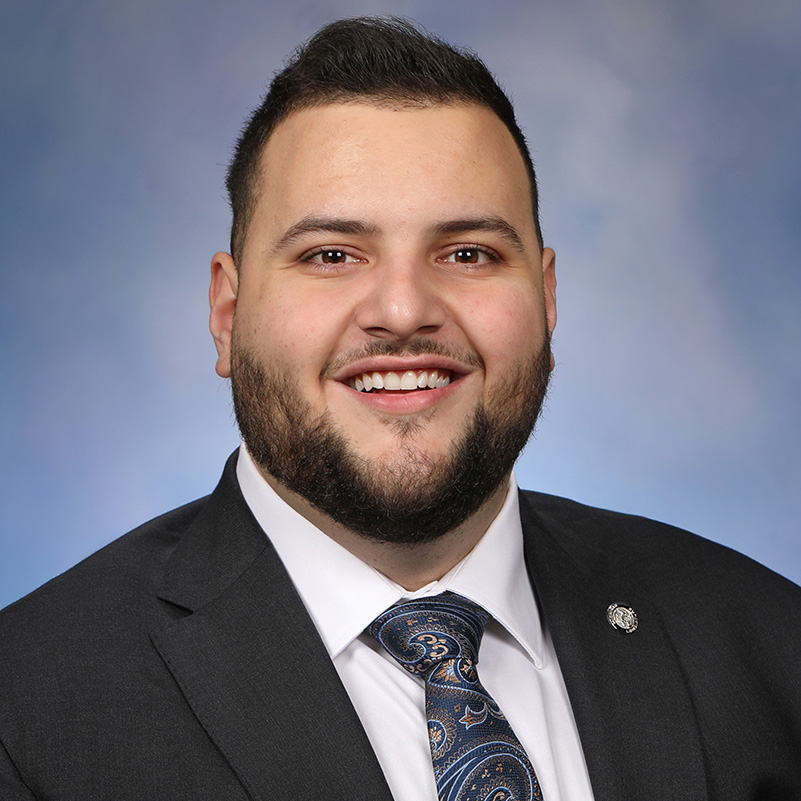
Rep. Alabas Farhat
Sponsored bills
Maddy summaryThis bill modifies the Michigan 21st Century Jobs Trust Fund by clarifying how money is collected, invested, and spent. It establishes that the fund will receive specific annual deposits from tobacco settlement revenues and other state sources, which must be kept separate from the general fund but can be invested in approved state and federal securities. The legislation also specifies that while the principal amount stays in the trust, any interest earned must be moved to the general fund. Additionally, it outlines that money from the trust can only be used to support specific programs under the Michigan Strategic Fund, such as those focused on innovation and economic development.
Maddy summaryThis bill modifies Michigan's Public Transportation Authority Act to change how local governments can leave these regional transit organizations. It removes the ability of cities, villages, or townships to simply vote to opt out of membership, requiring them to either pay off all financial debts or go through a public vote by registered electors to withdraw. Additionally, the legislation prevents local units from leaving an authority once they have already agreed to pay a specific tax, ensuring that financial commitments are honored even if the community later decides to exit the system.
Maddy summaryThis law requires health insurance companies in Michigan to cover the cost of blood pressure monitors for pregnant or postpartum individuals. The coverage applies to devices delivered, issued for delivery, or renewed within the state and is subject to standard cost-sharing requirements like deductibles and co-pays. This change directly affects pregnant and postpartum patients who need to monitor their blood pressure as part of their care.
Maddy summaryThis bill designates a specific stretch of Interstate 94 in Wayne County as the "Corporal Mohamed Said Memorial Highway." The designated section runs between Oakwood Boulevard and Outer Drive W. By adding this new section to the Michigan Memorial Highway Act, the legislation officially names the road in honor of Corporal Mohamed Said.
Maddy summaryThis bill creates a new Office of Tribal Legislative Liaison within Michigan's Legislative Council to strengthen government-to-government relationships between the state legislature and federally recognized tribes. The office will be led by a liaison appointed by the council from a list provided by the United Tribes of Michigan, who will be supported by at least two policy advisors. Key duties include visiting each tribe annually, advising lawmakers on how proposed legislation impacts tribal communities, and providing mandatory training for legislators on tribal history and consultation processes. Additionally, the office must submit an annual public report detailing tribal concerns raised during the legislative process to the governor and legislative leaders.
Maddy summaryThis bill creates the Michigan Innovation Fund Program to support economic development by allowing the Michigan Economic Development Corporation to issue grants and loans to businesses. A key provision requires that these financial awards include repayment terms if the recipient breaches their agreement or fails to meet specific measurable outcomes. The legislation also establishes new rules for vendor selection, mandating that applicants disclose conflicts of interest, criminal convictions, and any federal or state tax investigations. Additionally, it sets limits on how much money can be used for administrative costs and restricts the use of funds to acquire real property.
Maddy summaryThis law requires health professionals in Michigan to offer mental health screenings to new mothers during postpartum visits or well-child checkups for their infants. Starting in January 2026, doctors and nurses in pediatric or obstetric settings must provide these screenings, while other licensed health workers may offer them until the child turns one year old. The state is authorized to create a screening tool, but providers can also use existing evidence-based methods to assess maternal mental health risks. If a professional identifies potential mental health needs, they can provide information on symptoms, treatment options, and referrals to support services. The law defines "health professional" to include anyone licensed to practice medicine, nursing, or other regulated health professions in the state.
Maddy summaryThis law requires hospitals in Michigan to give parents or guardians a specific guide on how to enroll their newborns in health insurance if the baby is not already covered by a plan. The state's insurance and health departments will create this informational document to help families navigate the enrollment process. This rule applies only to live children born in hospitals and does not change the underlying insurance laws or create new penalties for hospitals.
Maddy summaryThis bill establishes a new legal framework for history museum authorities in Michigan, specifically allowing counties to create these public corporate bodies to support historical museums located in cities with populations over 500,000. The legislation outlines the procedures for forming an authority, including the requirement for a majority vote by county commissioners and public notice, while defining the board's composition and powers to enter into contracts and manage operations. A key provision grants these authorities the ability to levy a property tax of up to 0.4 mill for a maximum of 20 years, but only if approved by a majority of voters in the county. The funds raised through this tax must be used exclusively to support nonprofit entities that provide services to the designated history museums, and the bill also mandates that board meetings be open to the public and records be accessible.