

Maddy summaryHB 4293 requires Michigan employers to obtain written permission from employees before deducting most amounts from paychecks, with exceptions for legally required payments. It limits deductions to 15% of gross wages and ensures employees still receive at least the state or federal minimum wage after deductions. The bill also sets specific rules for handling overpaid wages (without consent if properly documented) and court-ordered debt deductions (requiring 10 business days' written notice). This directly affects all Michigan employers and employees who have deductions taken from their paychecks.
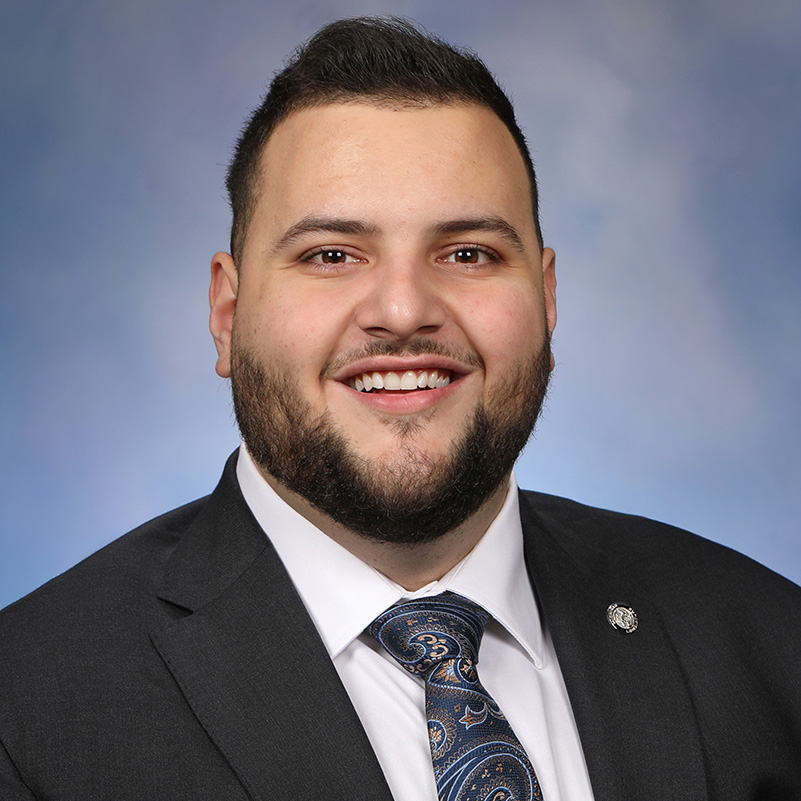
Rep. Alabas Farhat
Sponsored bills
Maddy summaryHB 4294 prohibits state agencies from awarding construction, repair, remodeling, or demolition contracts to employers without a "fair paycheck workplace certificate." This requirement directly affects state agencies purchasing such services and contractors bidding on those projects. The bill amends Michigan's Management and Budget Act to add Section 241(3), mandating that all eligible contractors must hold this certificate, which verifies compliance with fair pay standards. The law applies to all state-funded construction projects where competitive bidding is required, ensuring contractors meet specific workplace fairness criteria before securing contracts.
Maddy summaryHB 4297 requires Michigan employers to disclose wage information for "similarly situated employees" upon an employee's request. Specifically, employers must provide details on salary, bonuses, overtime, and other compensation within 30 days, while redacting individual names but including sex and seniority data for comparable roles. The bill prohibits employers from retaliating against employees who ask for this information or from requiring non-disclosure of wages as a condition of employment. It directly affects all Michigan employers and their employees by increasing wage transparency for jobs with comparable duties, skills, and responsibilities.
Maddy summaryHB 4295 creates a "Fair Paycheck Workplace Certificate" program for Michigan employers. To obtain the certificate, employers must submit payroll data showing less than a 5% average pay gap between employees with different protected characteristics (like race, gender, or age) and pay the required fee. Employers without a valid certificate cannot claim to have one, facing up to $1,000 civil fines for false claims. The state will maintain a public database of certified employers, and all employee data submitted for certification is exempt from public disclosure.
Maddy summaryHB 4292 amends Michigan's Elliott-Larsen Civil Rights Act to improve reporting of wage discrimination. It requires the Michigan Civil Rights Commission to establish a dedicated phone line and a public website with an anonymous electronic reporting form for workers to report wage discrimination without revealing their identity. These mechanisms must prominently display the phone number and website link, ensuring anonymity for individuals who report violations or assist in investigations. The bill directly affects workers experiencing wage discrimination by providing safer, confidential reporting options.
Maddy summaryHB 4290 prohibits Michigan employers from asking job applicants about their past pay, credit scores, or credit history during the hiring process. It also prevents employers from requiring employees to sign agreements that stop them from discussing their wages or punishing employees for disclosing their pay. The law applies to most employers, with limited exceptions for legal or bonding requirements that legally mandate such information. This aims to reduce pay disparities by stopping employers from basing new salaries on past compensation.
Maddy summaryHB 4291 prohibits Michigan employers from paying employees different wages for equal work based on protected attributes like race, gender identity, religion, or age. It amends the state's wage law to require equal pay for jobs requiring equal skill, effort, and responsibility under similar conditions, while allowing exceptions for seniority, merit, or productivity-based systems. The bill explicitly defines "protected attributes" using the Elliott-Larsen Civil Rights Act and repeals a prior section (2018 PA 337, Sec. 13) that previously allowed certain pay differentials. It directly affects all Michigan employers and employees by mandating pay equity for comparable work. The law would take effect if passed, aligning Michigan's wage standards with broader civil rights protections.
Maddy summaryThis resolution designates March 21, 2025, as Rosie the Riveter Day in Michigan to honor women who worked in factories during World War II, particularly in Michigan's Willow Run and Detroit facilities. It does not create new laws or obligations but encourages residents, schools, businesses, and organizations to observe the day through educational activities and community events. The bill specifically recognizes these women's contributions to wartime production and their role in advancing workplace equality. It is a symbolic gesture with no direct regulatory impact on individuals or entities.
Maddy summaryThis resolution declares April 7-13, 2025, as National Public Health Week in Michigan. It symbolically recognizes the work of public health professionals across the state, including those protecting water safety, conducting screenings, and preventing disease. The resolution does not create new laws or policies; it is a ceremonial acknowledgment of public health contributions. It directly honors public health workers in Michigan but has no binding effect on legislation or funding.
Maddy summaryThis House Resolution (HR 51) is a symbolic request urging the U.S. Department of Homeland Security to release $56 million in FEMA disaster relief funds already allocated to Michigan. It directly affects Michigan's emergency management agencies, local governments, and nonprofits that rely on these funds for disaster response, recovery, and public safety programs. The resolution states delays in releasing these funds strain state resources and risk disrupting critical emergency services following natural disasters. As a non-binding resolution, it does not change funding policy but formally requests federal action.