

Maddy summaryHB 6261 amends Michigan's Child Custody Act to update definitions and clarify procedures for determining a child's best interests in custody cases. The bill explicitly defines terms such as "active duty," "deployment," and "joint legal custody," while also specifying how courts must evaluate factors like domestic violence, parental cooperation, and the child's preferences. A key provision establishes a presumption that joint custody is in a child's best interest when parents are involved in a dispute, requiring courts to explain their reasoning if they deny such an arrangement. Additionally, the legislation clarifies the roles of attorneys and guardians ad litem to ensure children are represented effectively during legal proceedings.
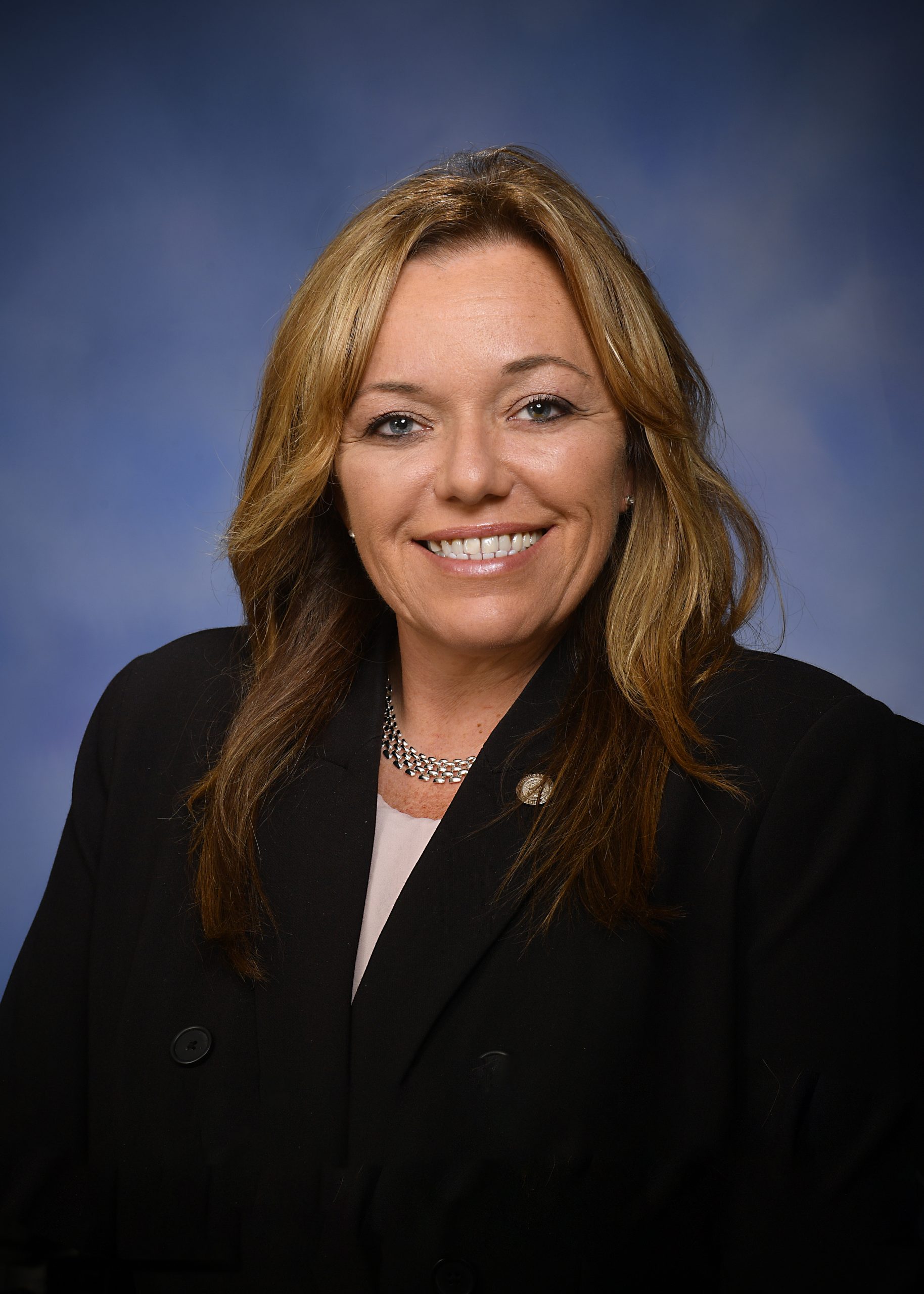
Rep. Jamie Thompson
Sponsored bills
Maddy summaryThis House resolution calls on Heidi Washington, the Director of the Michigan Department of Corrections, to resign due to alleged failures in addressing dangerous working conditions within state prisons. The bill cites severe staffing shortages that have forced officers to work excessive overtime, leading to fatigue, safety risks, and a high rate of vacant positions across multiple facilities. It further alleges that the administration has ignored union concerns, blocked legislative funding for retention and training, and fostered a culture of retaliation against employees who report issues. Ultimately, the measure seeks to hold the director accountable for these conditions without proposing specific policy changes or new laws.
Maddy summaryHB 5953 limits the late fees or penalties that privately owned toll bridge operators can charge for unpaid tolls to no more than five times the original toll amount. This restriction applies only to privately owned bridges and does not affect international crossings or publicly owned bridges. The bill amends the Michigan Vehicle Code to establish this cap, ensuring that fees for overdue tolls remain proportional to the initial cost.
Maddy summaryThis bill requires Michigan's Department of Health and Human Services to create an annual report on opioid overdose deaths, detailing the number of fatalities, trends, risk factors, and potential prevention strategies. By February 1st each year, the department must publish this data and share it with the Opioid Advisory Commission if the commission requests it for its own annual report. The legislation aims to improve information sharing between state health officials and the advisory council to better track and address the opioid crisis.
Maddy summaryThis bill updates Michigan's Revised School Code to clarify how public school academies must report student test scores. It requires these academies to use either the standard M-STEP assessments or a state-administered assessment system if they are part of a specific pilot program. The changes apply to the legal sections governing academy organization, contracts, and application requirements. By modifying these statutes, the legislation ensures that academies operating under different testing systems are clearly defined in state law.
Maddy summaryThis bill requires the Michigan Unemployment Agency to get approval from both houses of the state legislature before making specific changes to its operations. Under the new rules, the agency cannot move staff between divisions, cancel the waiting period for first unemployment payments, or remove computer systems designed to detect potential fraud. These systems currently flag claims based on factors like blacklisted email addresses, out-of-state addresses, or duplicate information such as shared bank accounts and IP addresses. Essentially, the legislation ensures that significant shifts in how the agency manages its workforce or verifies claimants must be explicitly authorized by lawmakers first.
Maddy summaryThis bill proposes a new tax credit for Michigan residents purchasing a single-family home as their primary residence starting in the 2025 tax year. Eligible taxpayers can claim a credit equal to 10% of their down payment, capped at a maximum of $3,000, provided they attach a copy of the settlement statement to their annual tax return. The legislation defines a qualifying home to include manufactured homes, trailers, mobile homes, condominiums, and cooperatives that are owned and occupied by the buyer.
Maddy summaryThis bill establishes an annual sales tax holiday in Michigan for back-to-school shopping, offering tax-free purchases of specific items between the third Saturday in August and the third Sunday in August. Eligible items include clothing under $100 per piece, school supplies under $20 per item, and computers or computer supplies under $1,000 and $500 respectively, provided they are for personal use and not accessories like jewelry or bags. The legislation also clarifies how discounts, coupons, and layaway plans are handled to determine tax eligibility, ensuring that the final sale price dictates whether an item qualifies for the exemption.
Maddy summaryThis bill creates a temporary tax break for Michigan residents purchasing back-to-school items during a specific window in late August. It exempts the use tax on clothing under $100, school supplies under $20, and computers or computer supplies under $1,000 and $500 respectively, provided the items are bought between the third Saturday of August and the third Sunday. The law explicitly excludes accessories like jewelry and watches, as well as sports gear and protective equipment, from these savings. Additionally, the bill clarifies how discounts and layaway plans work during the holiday, ensuring that reduced prices still qualify for the exemption.
Maddy summaryThis bill proposes to eliminate Michigan's state real estate transfer tax by repealing the existing law that governs it. The legislation directly affects individuals and entities involved in property transactions, as it would remove the tax currently applied to the transfer of real estate. To offset the financial impact of this repeal, the bill includes a provision requiring the state to use general funds to fully compensate for any resulting loss in revenue to the state school aid fund.